In brief
Starlink, the SpaceX satellite network, provides fast internet that underpins Ukrainian military communications and drone warfare. The service has been essential in enabling real‑time links between command posts, artillery and fighter units. Overnight speed limits imposed on laser‑connected drones have disrupted key missions and challenged Ukrainian air defence against fast Russian Shahed drones. Ukrainian officials say the limits were unannounced and suspect geopolitical motives. The restrictions highlight the strategic value of space‑based communications in modern conflict.
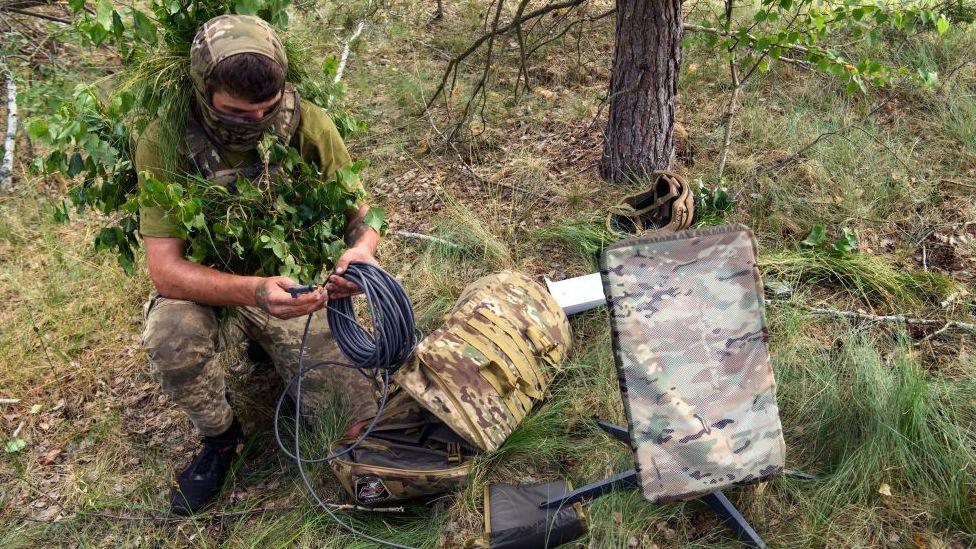
Starlink, the satellite network built by Elon Musk’s SpaceX, has become a vital lifeline for Ukrainian forces, offering high‑speed internet that keeps command posts, artillery and drones in real‑time contact underground, in dense woodland and across open plains.
For Ukrainian pilots and drone operators the service provides a link that outstrips conventional radio, allowing operators to control craft over long distances and to avoid the jamming that has crippled many other battlefield systems.
But on Tuesday the network suddenly imposed a 100‑mph, or 160‑km‑h, throttle on all Starlink‑connected drones. Senior Ukrainian officials say the limit was imposed overnight without warning, effectively hindering their ability to track and intercept the fast Russian Shahed missile drones that routinely cruise at speeds above 198‑mph.
Serhiy Beskrestnov, an adviser to President Zelenskiy, calls the restriction a new flashpoint in the tension between Kyiv and Washington. Musk hints that the slowdown may stem from U.S. military directives, citing the separate Starshield service that the Pentagon owns.
The case underscores how a space‑based internet can shift the balance on the modern battlefield, as both sides race to keep their fighters, artillery and drones connected while denying the enemy the same advantage.