In brief
Ukraine’s recent counter‑offensive, coding Operation Vivaldi, has pushed Russian forces back more than 277 square kilometres around Donbas, a gain underpinned by the military‑grade Starlink network. The offensive saw soldiers use drones and unmanned ground vehicles to strike behind enemy lines, while Starshield supplied the real‑time connectivity needed for command and control. Despite fresh restrictions on Starlink imposed by Washington, Ukraine’s commanders say the network remains vital for intercepting drones and coordinating strikes. Russian forces, meanwhile, see their air attacks intensify, but drone losses mount. With morale high and a clearer tactical advantage, Ukrainian forces anticipate further gains and a strategic shift in the eastern campaign.
Operation Vivaldi, Ukraine’s ambitious counter‑offensive, has reclaimed more than 277 square kilometres in the Donbas region, a gain that modern warfare experts say has shifted momentum on the eastern front.
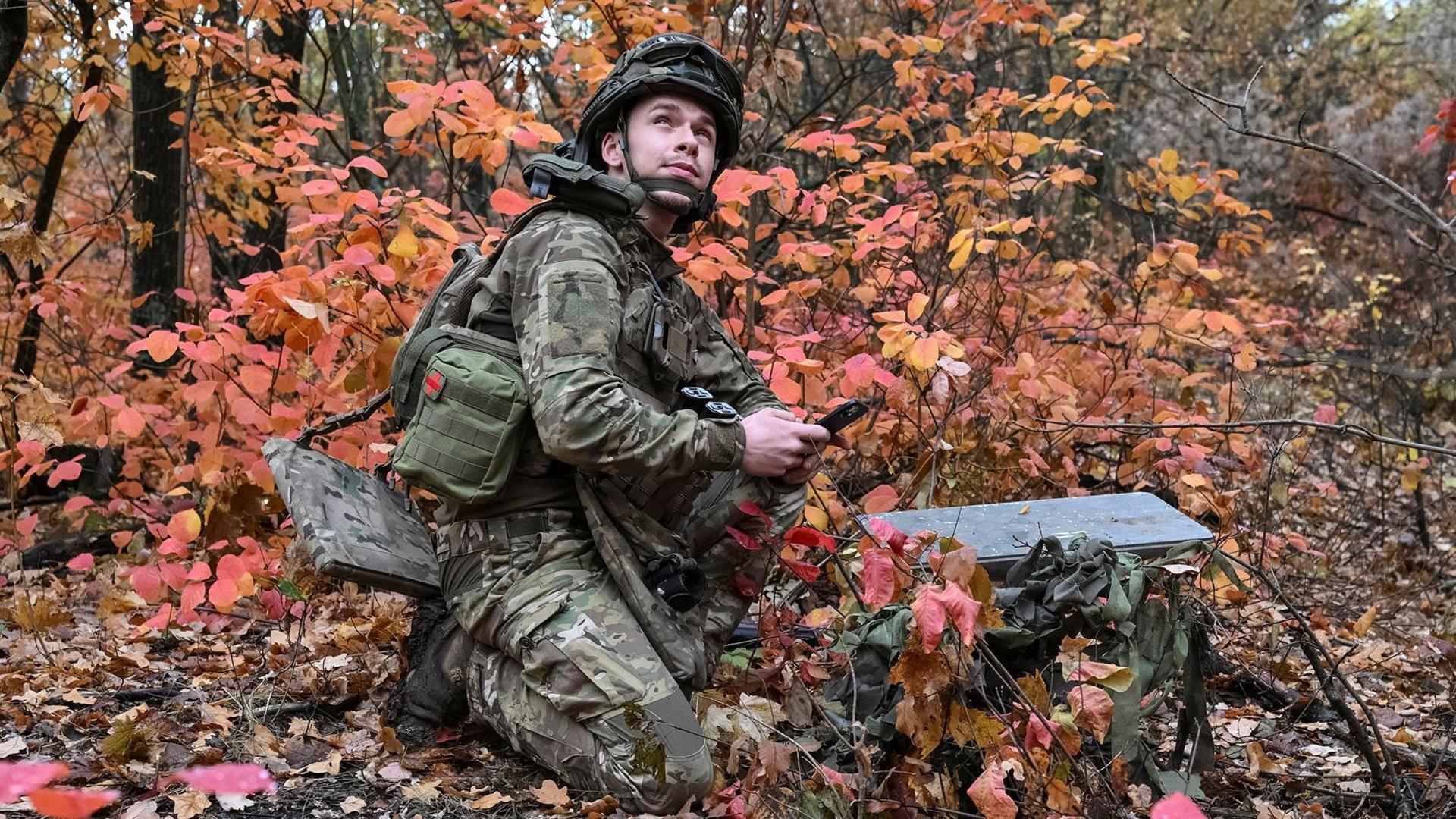
At the heart of the push is Starlink’s military‑grade Starshield network, a constellation of satellites that delivers high‑speed, low‑latency broadband to units in the field. The network allows commanders to receive live feeds from drones, issue real‑time orders to unmanned ground vehicles, and coordinate strikes with pinpoint accuracy.
“Our drones have been dropping nets on enemy spotters and intercepting hostile aircraft before they can call in artillery,” one officer told reporters. The resulting “target‑to‑retake” strategy enabled several settlements to return to Ukrainian control after an eight‑month occupation.
But the offensive has not been without challenges. A sudden restriction on Starlink traffic imposed by Washington, reportedly at the behest of US intelligence, limited the bandwidth available to Ukrainian troops. The decision was met with criticism from Ukraine’s leadership, who say real‑time connectivity is essential for defending against the thousands of Russian drones that patrol the skies.
Despite the bandwidth squeeze, Ukrainian forces maintain that Starshield remains the backbone of their operational tempo. The technology continues to keep troops connected, allowing them to dispatch food parcels, evacuate the wounded, and launch precision strikes from the front lines.
Russian forces, on the other hand, see their air attacks intensify as they try to regain the initiative. Yet drone losses, which Ukraine claims have reached 8,000 in a single month, have eroded Russian operational capabilities.
In the face of mounting losses and limited tech support, morale among Ukrainian soldiers has risen. A frontline infantryman remarked, “The operation has shown us we can win, and that belief fuels our drive to keep pushing forward.”