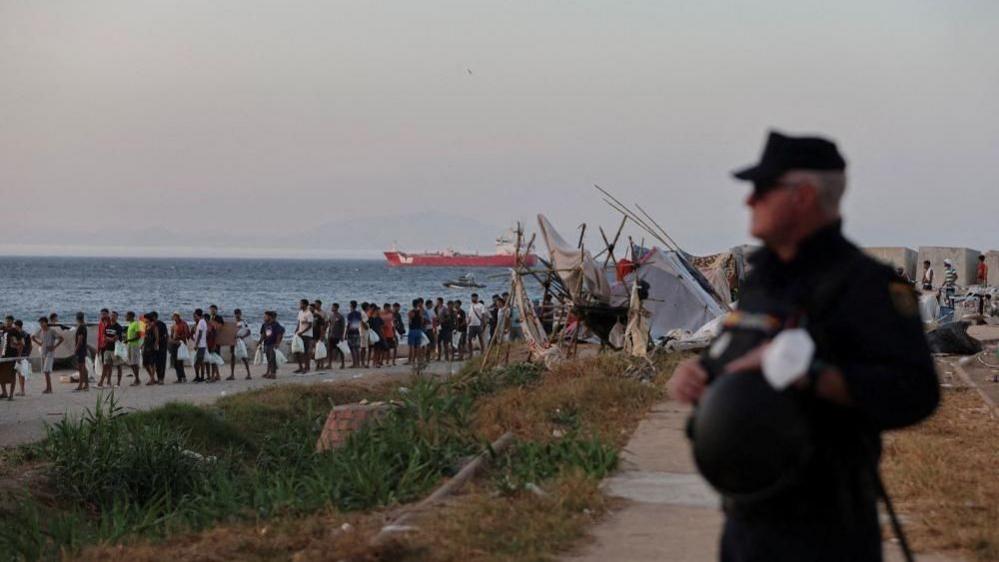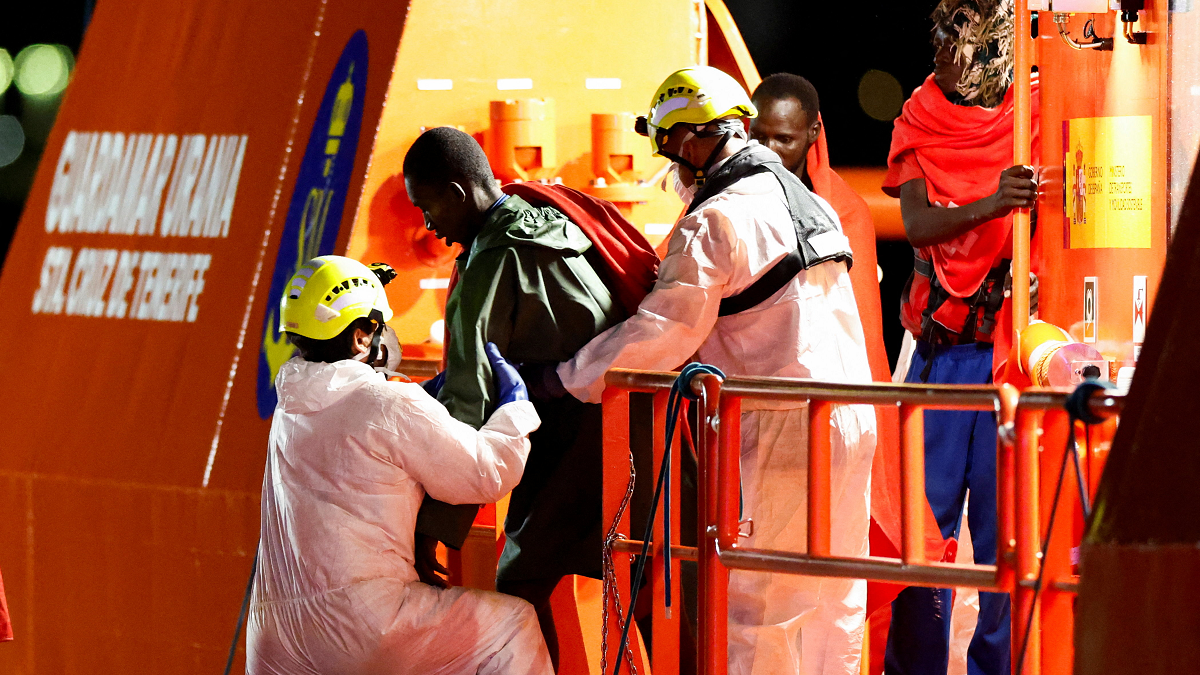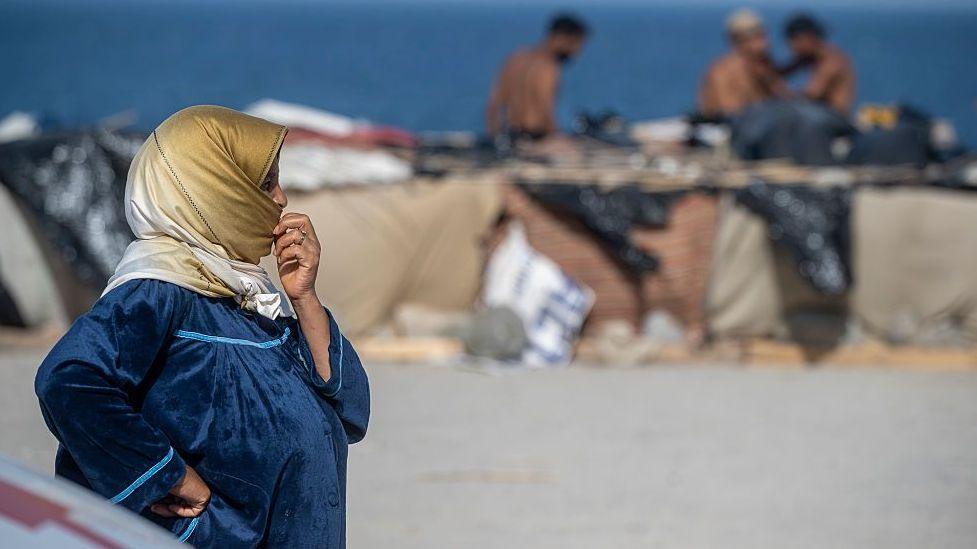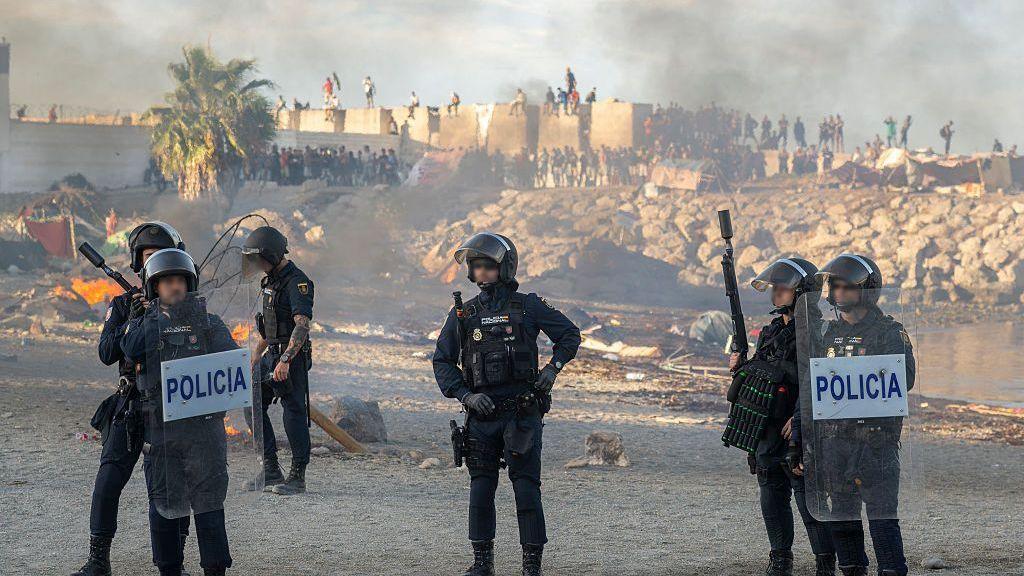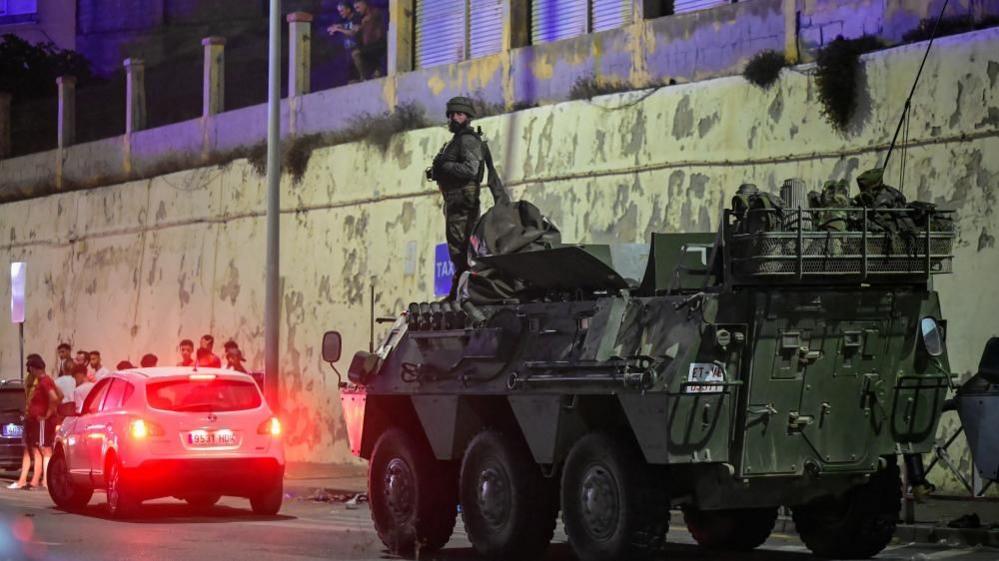
Spain deploys troops to the northern enclave of Ceuta after a massive influx of migrants from neighbouring Morocco on Thursday, following reports that at least 15 people drowned in an attempt to reach the Spanish territory. The border controls appeared to have collapsed during the chaos as thousands swam past the jetty and entered the sea, prompting officials to request additional assistance from Madrid. Spain’s Supreme Court had recently ruled that migrants who are stranded at sea while trying to reach Spanish enclaves such as Ceuta or Melilla cannot be summarily returned to Morocco.
Standard Ministerial statements accused human‑trafficking networks of exploiting the crisis to “encourage the flow of undocumented migrants”. The interior ministry announced that the armed forces would reinforce the Civil Guard and other security posts in Ceuta to maintain order. With Ceuta perched on Morocco’s coast and separated from mainland Spain by the Strait of Gibraltar, the enclave is a long‑standing focal point for migrants attempting to reach Europe.
Italy’s government has expressed alarm at the breach and is considering “extraordinary measures”, including a possible suspension of the open‑border Schengen agreement with Spain, citing the images from Ceuta as “striking”. The Spanish president, Pedro Sanchez, is expected to visit the enclave on Friday to restore normalcy. Local authorities criticized Madrid for delayed reactions, as migrant reception centres became overwhelmed.
Estimates for five 2026 say that between 2,000 and 3,000 people crossed into Ceuta on Thursday alone, according to Reuters, though the Guardia Civil has not confirmed the figures. Reports indicate clashes in the area, with Moroccan forces using water cannons to deter migrants and sporadic confrontations in nearby Melilla. This surge echoes a similar incident in May 2021, when approximately 8,000 migrants entered Ceuta over a few days, further straining diplomatic relations with Morocco and highlighting the ongoing challenges at Europe's southernmost points. The unprecedented influx underscores the rigid security protocols in place at Spain’s only land border with Africa—Ceuta and Melilla—amid rising pressures from migration flows.”