South Korea's Entertainment Scandals Ignite Cancel Culture Debate
 Getty Images
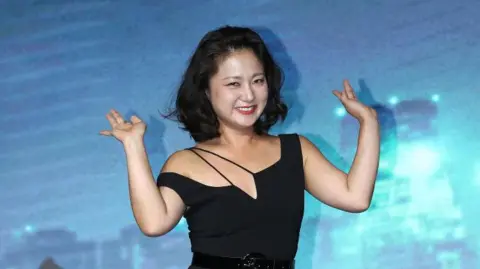
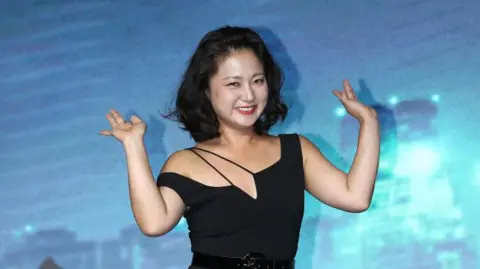
In a matter of days, three big names in South Korea's entertainment industry have made headlines in separate scandals that could derail their careers. The allegations that have embroiled comedians Park Na-rae and Cho Sae-ho, as well as veteran actor Cho Jin-woong, are all different - ranging from workplace abuse to previous teenage detention to associations with a gang member. But the results have been the same: departures from the television screens where they had worked their way up to become household names.
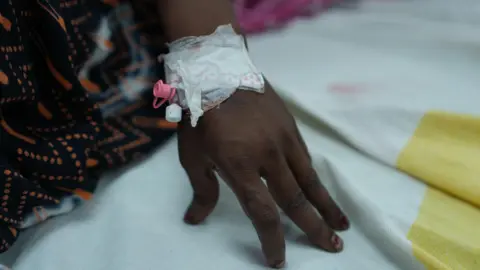
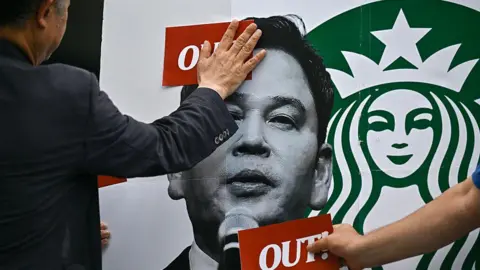
Park Na-rae was accused by former managers of verbal and physical abuse, which she denied, instead suing them for blackmail. Her agency also reported illegal medical practices involving IV drips at home, leading to a police inquiry. Similarly, Cho Sae-ho faced backlash over his alleged friendship with a gang member, leading to his resignation from popular shows amidst calls for accountability. Meanwhile, Cho Jin-woong announced he would retire after being linked to past criminal behavior as a juvenile, causing broadcasters to distance themselves rapidly.
These incidents have triggered a broader conversation about the implications of cancel culture in South Korea. Critics argue that public figures should be judged for their current actions rather than past mistakes, while others maintain that past behaviors can create a lasting impact on victims. This dialogue highlights the precarious nature of celebrity status in a society that is quick to punish perceived transgressions.
Culture critic Kim Sung-soo suggests that celebrities are particularly vulnerable due to their dependency on public approval. As these events unfold, there seems to be a collective reflection on the ethics of online behavior and the effects of cancel culture on society.