
In brief
Ukrainian soldiers and veterans expressed anger at President Zelensky’s decision to dismiss Defence Minister Mykhailo Fedorov. Fedorov, famed for modernising the armed forces and boosting drone warfare, had a falling out with General Oleksandr Syrskyi. Protesters in Kyiv gathered with cardboard placards, rallying behind Fedorov’s reforms. Soldiers fear the fall of digital reforms amid impending Russian offensives, while critics accuse the president of becoming more authoritarian. The debate pits a ‘modern technology champion’ against an ‘old Soviet‑era commander’ in a war‑torn nation.
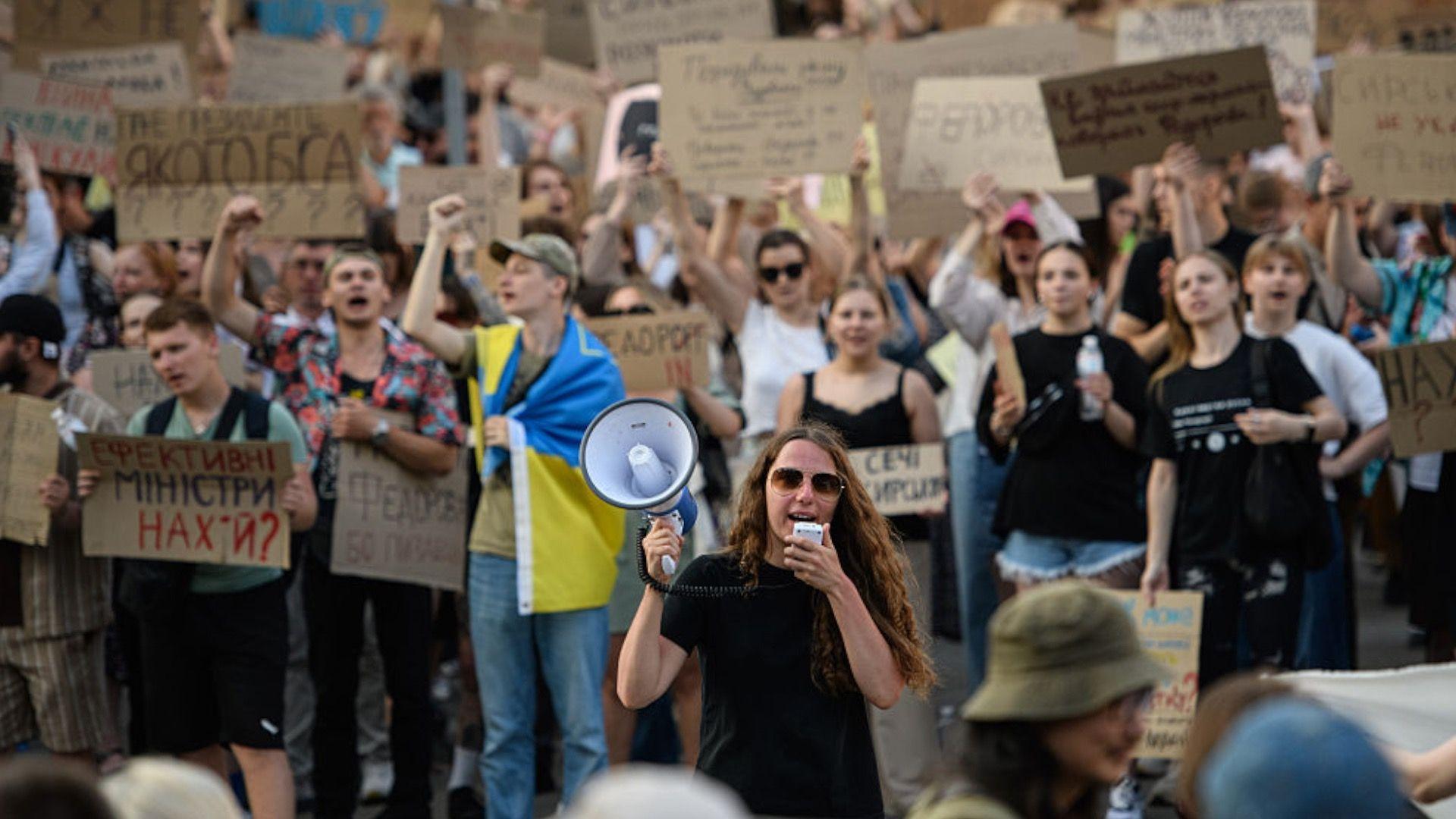
Following the removal of Defence Minister Mykhailo Fedorov, thousands of Ukrainian soldiers and veterans flooded the streets of Kyiv, holding cardboard placards and chanting slogans in defiance of President Volodymyr Zelenska’s cabinet reshuffle.
The move – a break from the minister who had pioneered the country’s cyber‑drone strategy – stunned the ranks. Soldiers report a collective sense of outrage, with many feeling that the dismissal is a “slap in the face” to their combat efforts. An unnamed wounded veteran captured a video on Telegram wherein he says: “I hope when I wake up after the anaesthetic, Fedorov will be back at the Ministry of Defence. Otherwise, everything I was fighting for will have been in vain.”
Official sources say the decision followed a personal clash between Fedorov and General Oleksandr Syrskyi, the army’s commander‑in‑chief. Fedorov, who was only two years older than the 60‑year‑old general, is known for rapidly infusing new technologies into Ukraine’s fight against Russia, including the popular drone‑based “Army of Drones” reward programme.
Among soldiers, sentiments split between admiration for Fedorov’s reforms and fear of a reversal. A briefing treated the situation as a “blowback” against the country’s technological edge, especially as the winter campaign approaches. Ex‑military analyst Ivan Stupak warned that the “swamp” of bureaucracy within the Ministry of Defence could stall critical new initiatives if Fedorov is no longer at the helm.
Meanwhile, anti‑corruption advocates voice concern that the president’s handling of other key appointments mirrors the same authoritarian streak seen in the removal, hinting at a broader shift. The protests are a rare display of unified dissent on a scale unseen since the start of the war, underscoring how the removal of Fedorov reverberates beyond politics and into frontline realities.
