Social Media Sparks Migrant Rush to Spain’s Ceuta, Leaving Political Fallout
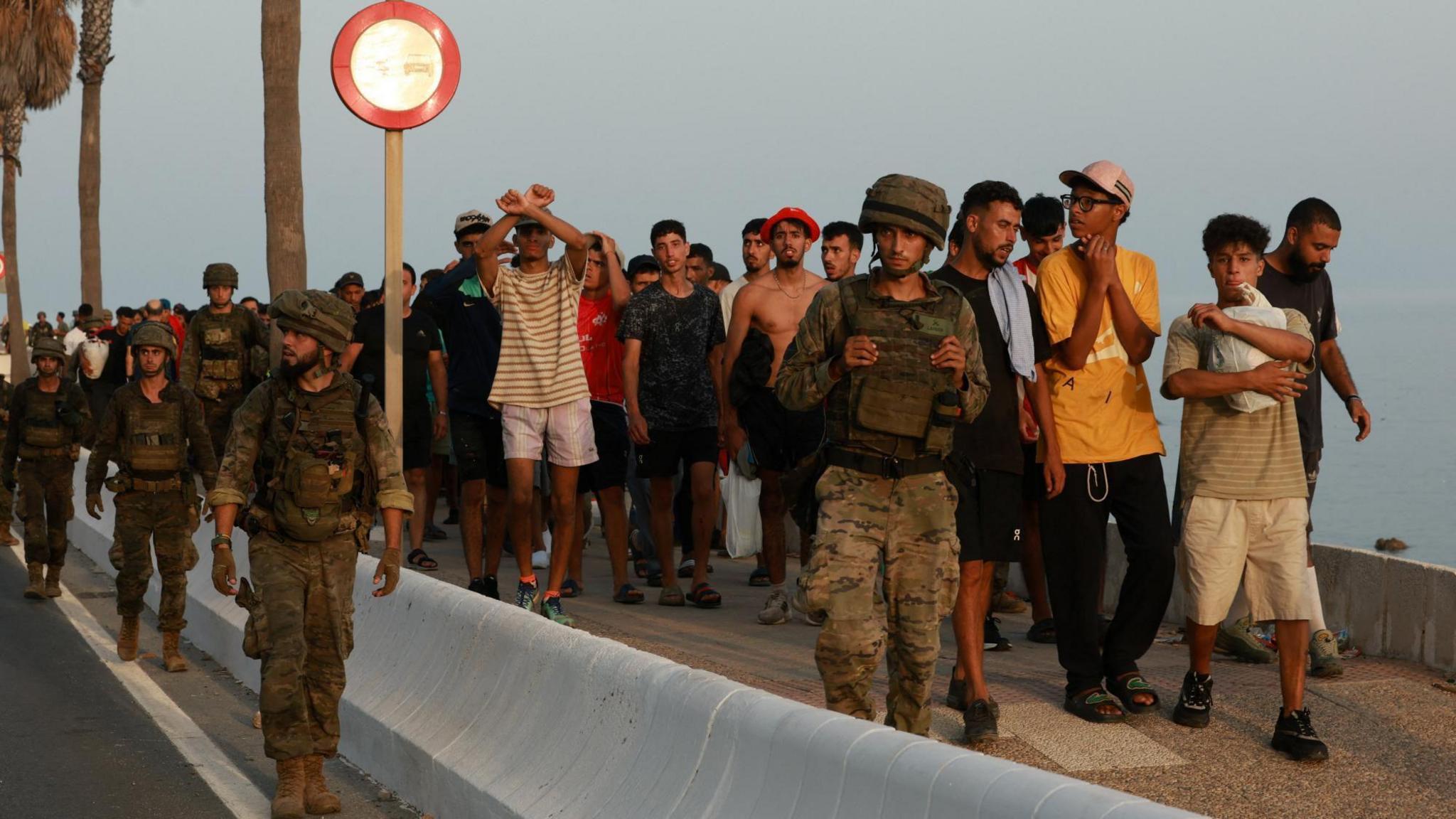
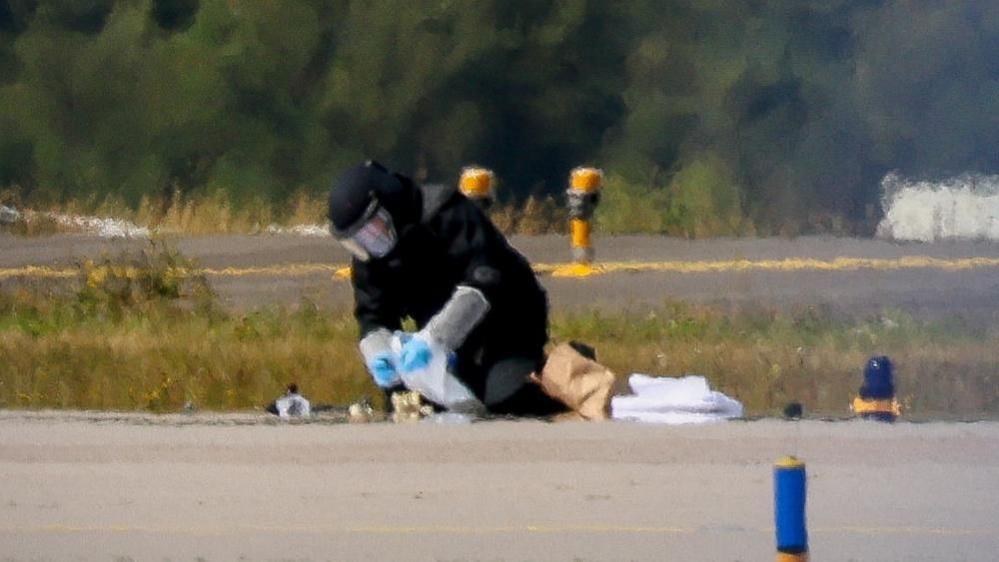
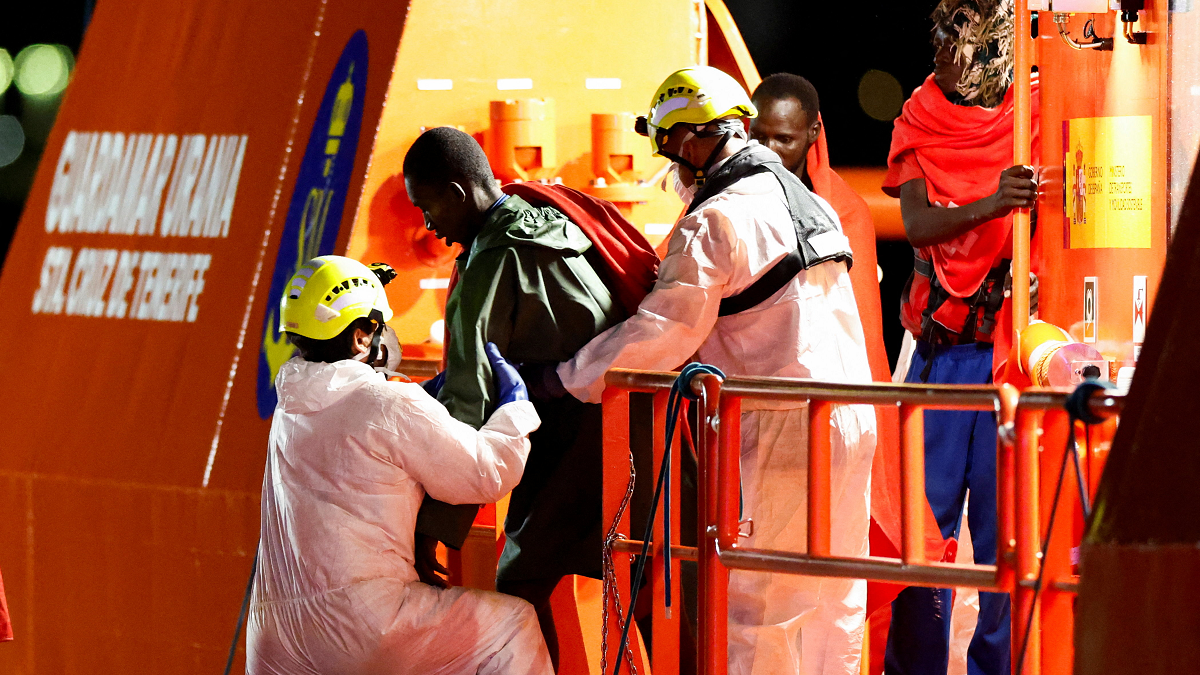
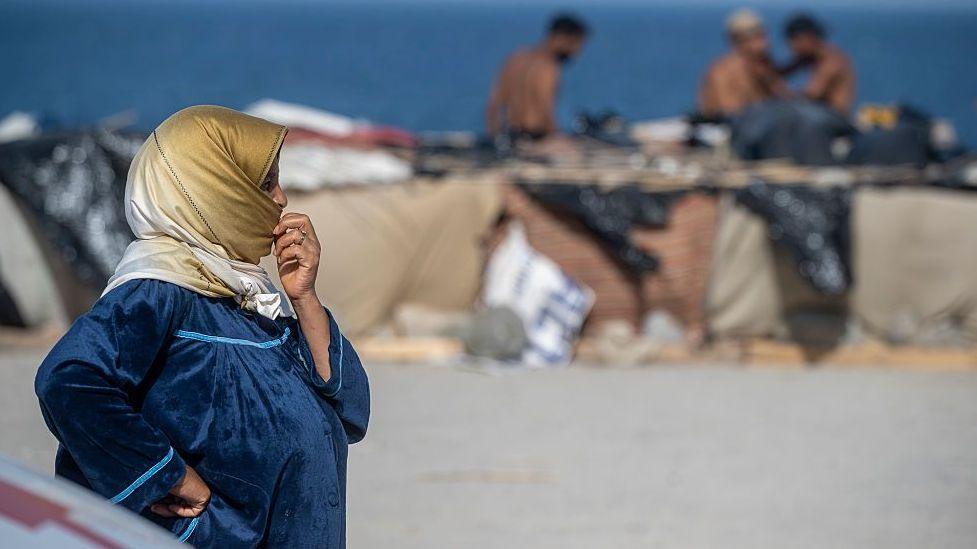
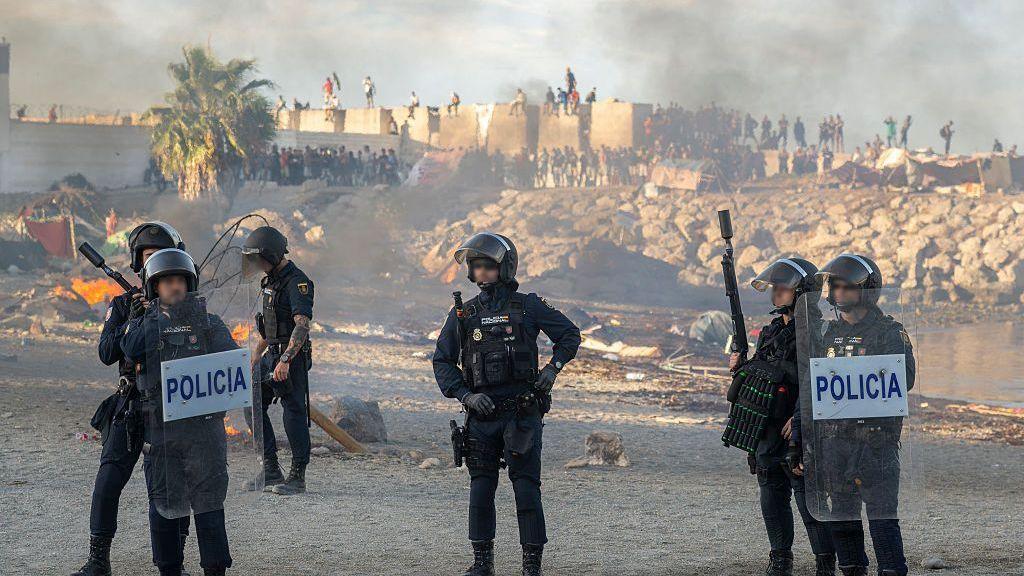
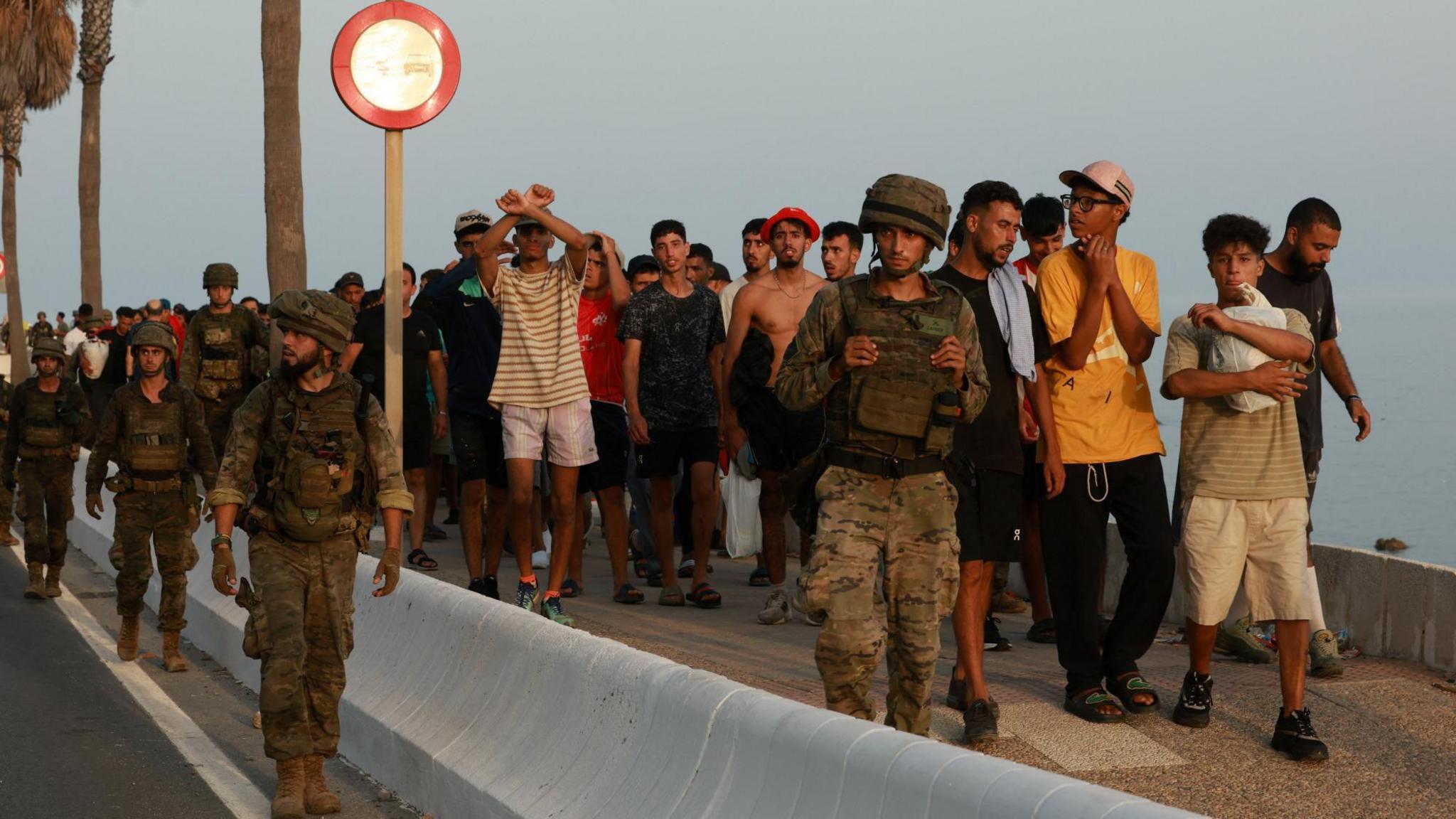
On 30 July, tens of thousands swam across the narrow strait into the Spanish exclave of Ceuta. The surge, which followed a viral post that painted Spain as an open door, prompted a swift response from Spanish troops and police. Only 72 people were confirmed dead after bodies were recovered in the sea amid discarded rubber rings and flippers.
Political Fallout
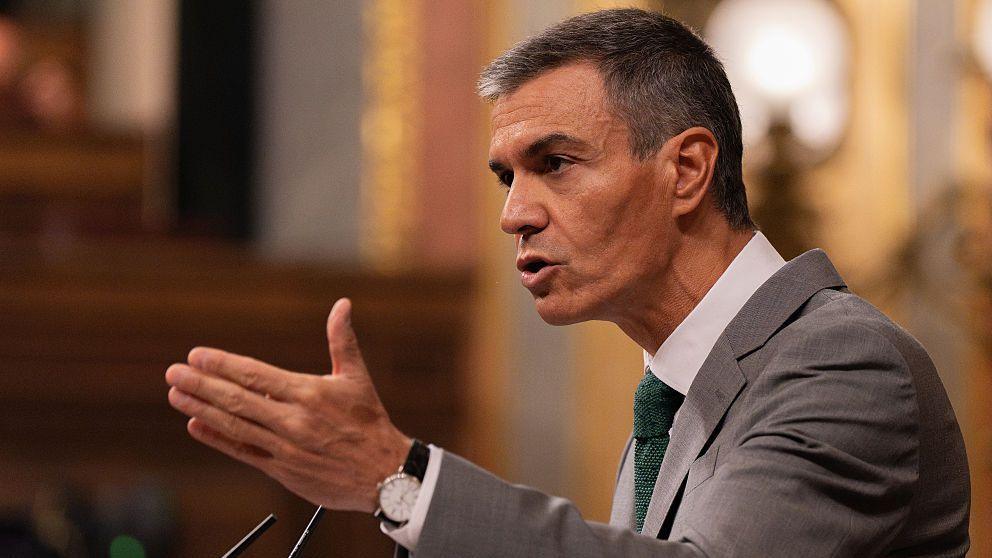
Prime Minister Pedro Sánchez condemns what he calls an “attack” on Spain by the European Union and bans Italy’s hard‑right Party Fratelli d'Italia from exploiting the crisis. Giorgia Meloni, on the other hand, suspended the Schengen permission that lets Spanish citizens travel to Italy amidst security concerns.
The debate centers on Spain’s controversial policy that allows millions of undocumented migrants to apply for residence and work permits, aimed at filling labour shortages in an ageing population. Critics say the migrants were misled by smugglers, while supporters argue that the movement was driven by two‑day online campaigns showing swimmers arriving at the coast.
What Went Wrong?
Sánchez blames traffickers for the crisis, whereas right‑wing leaders across Europe, from Trump to Meloni, seized the situation to rally anti‑immigration sentiment. Some accuse Morocco of complicity, but the country insists it has no knowledge of orchestrated raids.
Current Measures
Spain has extended a sea fence with orange buoys along the coast, and EU interior ministers plan to strengthen external borders next week. Travelers from Spain to Italy will face more stringent police checks for the next few weeks. The immediate effect is modest, but the long‑term implications on European migration policy remain uncertain.