Small Plane Crashes into Beijing’s CITIC Tower, China Stays Silent
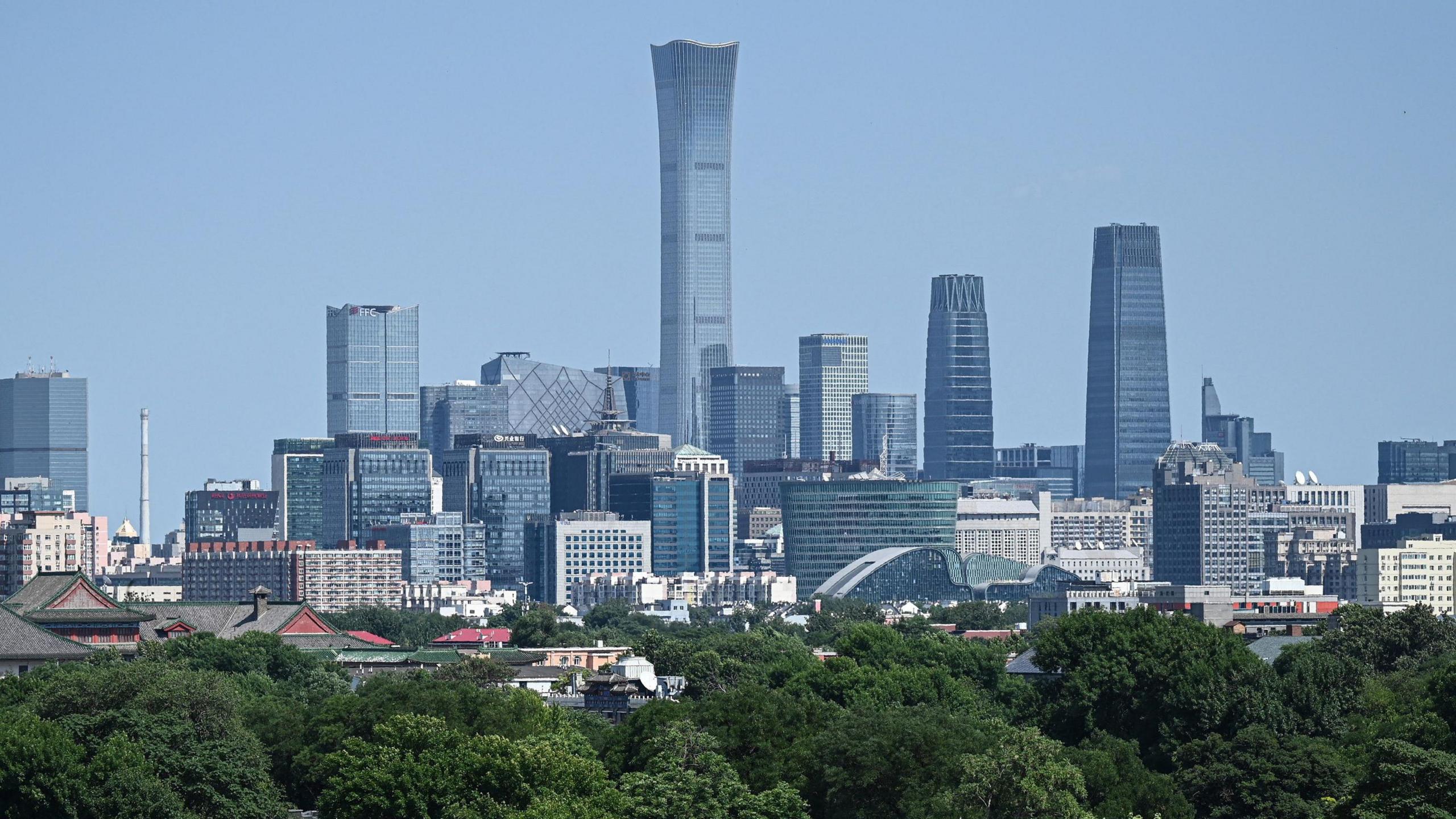
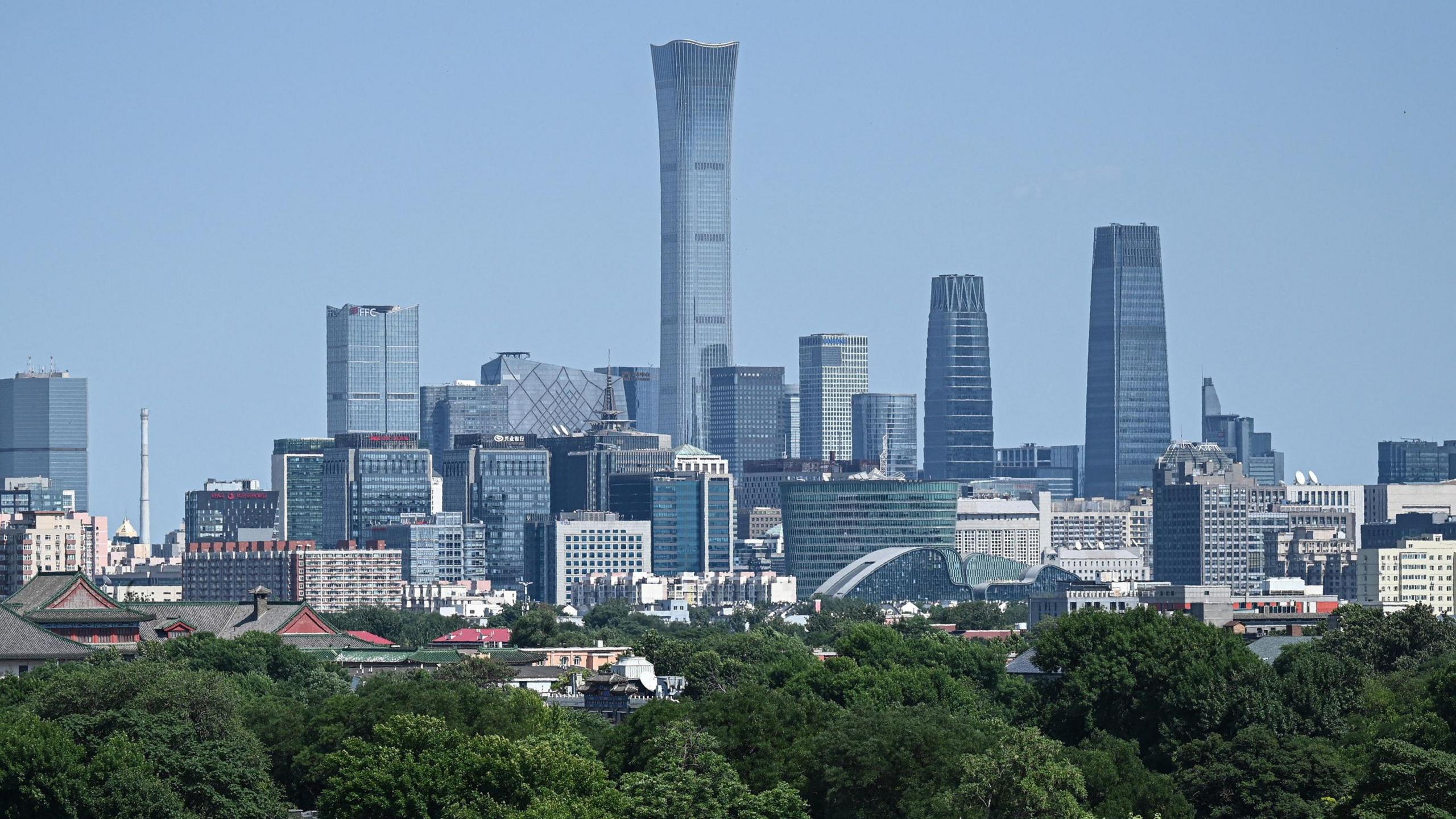
On 30 June, a tiny single‑engine Aurora SA60L smashed into the CITIC Tower, the tallest building in Beijing, killing the pilot and crushing a small area of the facade. An emergency response was launched within minutes, and 13 people sustained various injuries. The accident happened just a few kilometres from Zhongnanhai, the core of the Communist Party.
China offered its only official response through a brief 60‑word report in the state‑owned Beijing Daily, withholding any details about cause or investigation. The same day, Reuters and other news outlets found that footage of the crash was removed from Chinese online platforms, and local images of the tower became censored. In an interview, Manya Koetse of the Eye on Digital China newsletter said the rapid removal points to uncertainty at the highest levels: “This is a highly unusual incident... it calls into question government competence and threatens important party narratives.”
Air‑space regulators confirmed that 100 km² of no‑fly zone surrounds Tiananmen and Zhongnanhai. Authorities have suspended light aircraft operations city‑wide, but industry spokespeople are barred from speaking. A flying instructor in Beijing told the BBC, “We were told not to talk about it.” Another firm in Chengdu cut the call after questioning the source of the directive.
Experts note the incident mirrors the 1987 flight by Mathias Rust that landed a light plane in Moscow’s Red Square. “An aircraft striking the CITIC Tower reveals major security gaps,” said Raymond Kuo, vice‑president of the Chicago Council of Global Affairs. “It is politically embarrassing and suggests a serious lapse in Beijing’s defense systems.” Other observers consider the crash could stem from pilot error, mechanical failure, or even intentional sabotage. The Aviation safety board is investigating, but no official statement has clarified the root cause.
The incident has triggered heightened scrutiny over Beijing’s urban air‑space control and drone regulations. The city recently tightened drone registration rules, citing security concerns; a small plane can reach the vicinity of Zhongnanhai, raising doubts over the effectiveness of current safeguards. The incident underscores growing anxiety about whether a drone or missile could deliver a similar strike.
As the investigation continues, Chinese social media and news outlets remain restrained. Whether the crash will lead to policy changes or personnel adjustments in the security apparatus remains to be seen. Hold on to the “live‑streaming” updates for further developments.