In brief
A Saudi national, Abdulrahman Alfozan, accused of secretly installing a covert recording device in an OpenAI meeting room, has been charged in California. Court documents allege he received substantial support from Saudi government officials, including a one‑way flight paid for his wife and son. The FBI arrested him on 9 October after discovery of the device, and his OpenAI contract was terminated. With bail denied over flight‑risk concerns, Alfozan faces up to five years in prison and a $250,000 fine if convicted. The case highlights growing tensions between U.S. tech firms and foreign intelligence attempts.
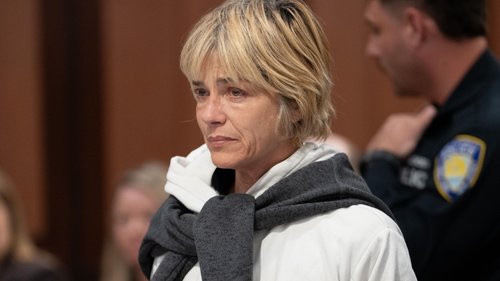
A Saudi national charged with secretly planting a recording device in one of OpenAI’s meeting rooms has been accused of having “considerable support” from the Saudi government, according to a court filing in California.
The U.S. prosecutor’s office claims Abdulrahman Alfozan, a 35‑year‑old engineer who had worked at the AI firm for about a year, was in “frequent communication” with a member of the Saudi royal family. Prosecutors also say a Saudi military official paid for a one‑way flight to Saudi Arabia for Alfozan’s wife and son after his arrest.
Alfozan was deemed a flight risk and denied bail on Monday, pending trial. The investigator’s report alleges his alleged conduct could pose a danger to U.S. national security because OpenAI executives met with government officials in the room during the period the device was installed.
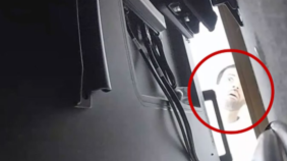
The device—a small audio recorder—was found plugged into the back of a TV in a conference room and covered with toilet paper, discovered by OpenAI staff on 30 September. A camera in the room captured Alfozan entering the room and peeking behind the television on 5 October. He was arrested by the FBI on 9 October and his OpenAI contract terminated.
Alfozan was scheduled to fly from San Francisco to Riyadh on a one‑way itinerary with his wife and son three days before his arrest. Following the arrest, the prosecution claims his wife told FBI agents that her U.S. visa was expiring and that they intended to move permanently back to Saudi Arabia. On 10 October, the day after his arrest, his wife and son flew from San Francisco to Doha, Qatar on a business‑class ticket booked and paid for by a Saudi military official.
Judge Alex Tse denied Alfozan’s bail request, citing the significant risk of non‑appearance. The FBI investigation is ongoing. If convicted, Alfozan faces a maximum penalty of five years in prison and a $250,000 fine.
Source: Court filing, U.S. Department of Justice, 2026-10-19.