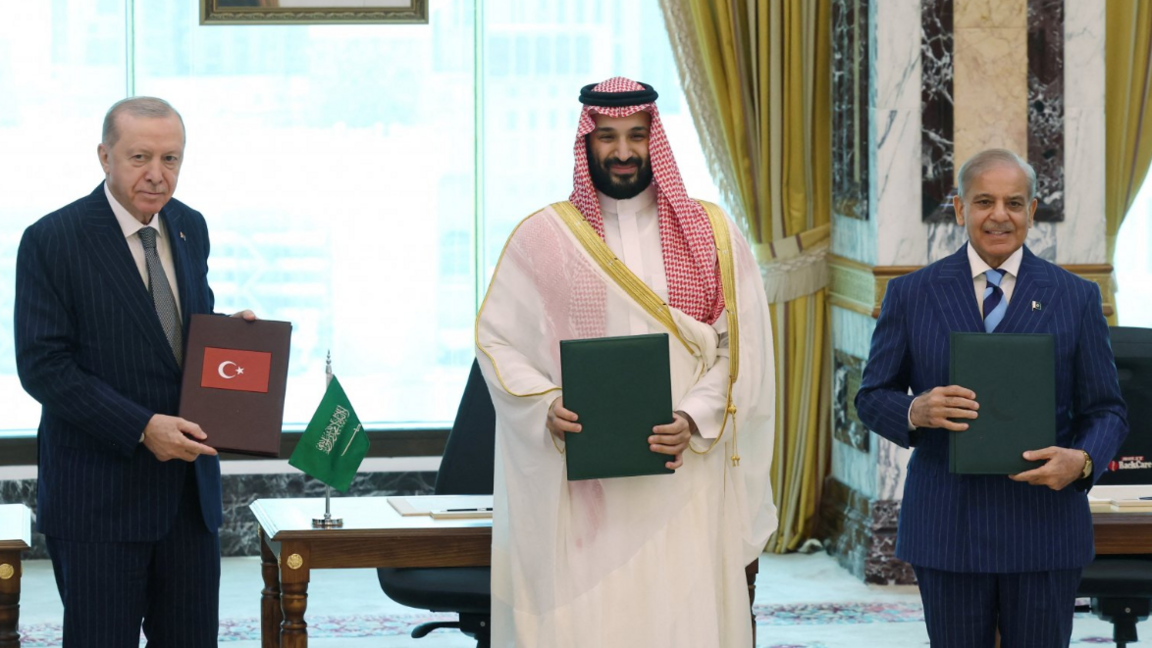
Saudi Arabia, Turkey and Pakistan have signed a joint defence agreement, declaring that an attack on any one of them would be seen as an attack on all three.
The pact was announced at a meeting between Saudi Crown Prince Mohammed bin Salman, Turkish President Recep Tayyip Erdogan and Pakistani Prime Minister Shehbaz Sharif in Mecca.
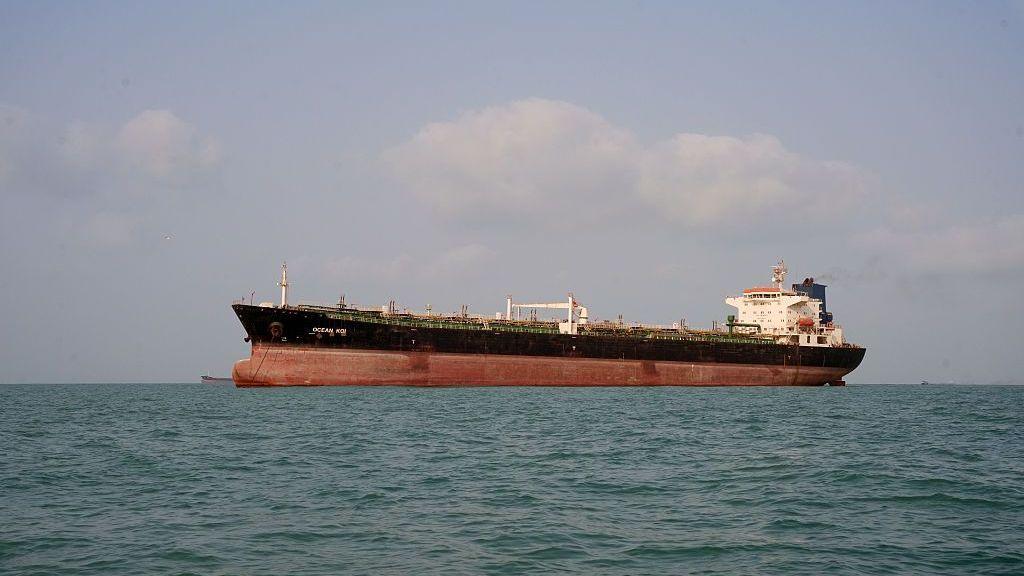
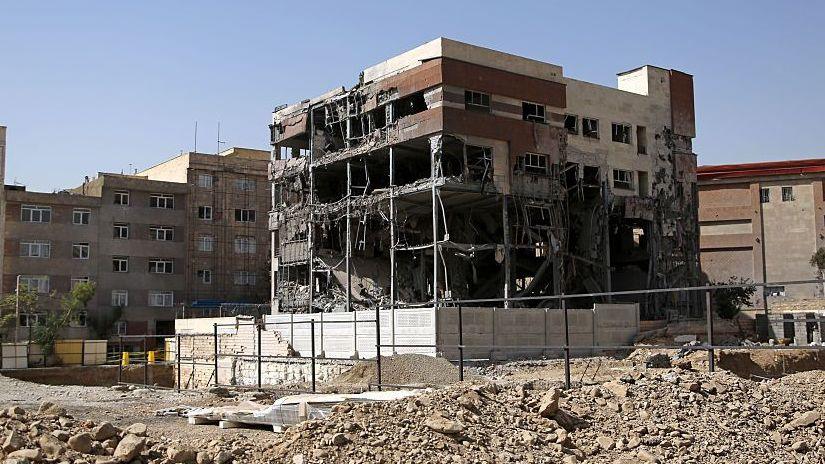
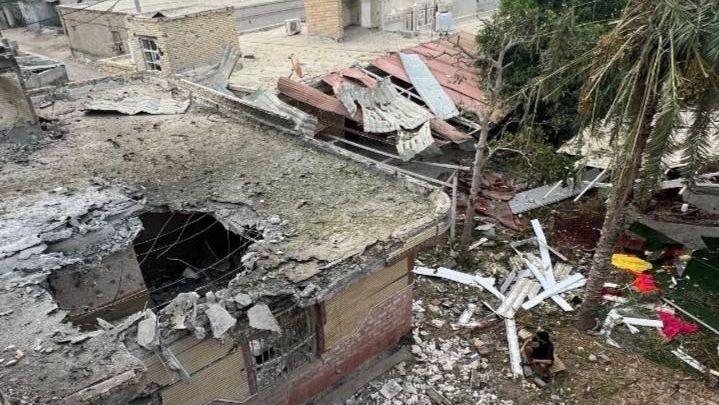
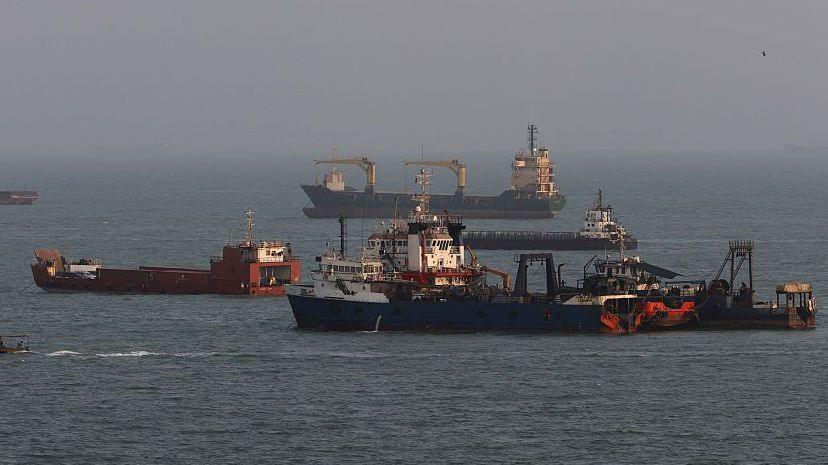
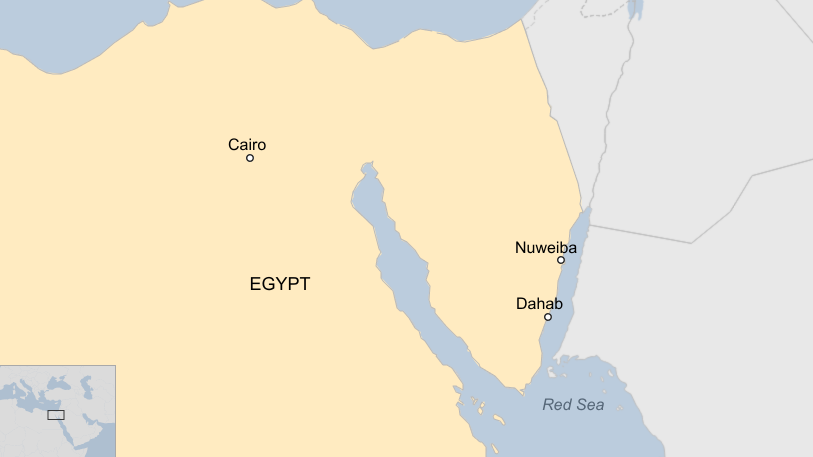
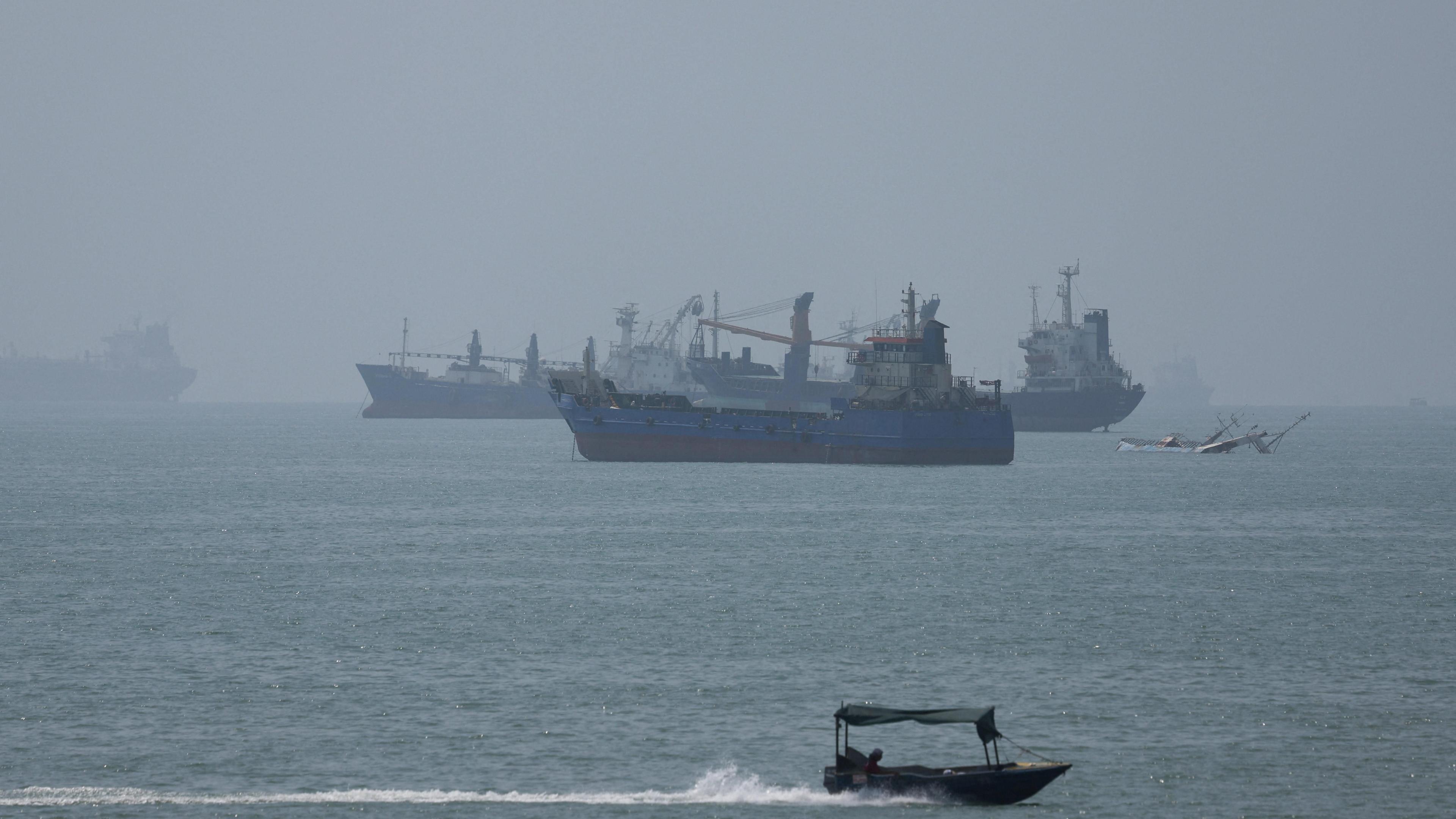
Following the US‑and‑Israel strikes on Iran on 28 February, Tehran and its allies hit targets in Saudi Arabia and other Gulf states, disrupting traffic in the Strait of Hormuz and the Red Sea.
Iran reacted sharply; a senior member of parliament tweeted that a paper agreement with Turkey and Pakistan would not provide security for Riyadh.
Saudi Arabia and Pakistan had already announced a joint defence pact last year, but the new Mecca agreement expands that framework to three of the world’s most powerful Muslim nations.
The document aims “to strengthen collective deterrence against any act of aggression, and stipulates that any armed attack against any one of the three States shall be regarded as an attack against them all”, a joint statement reads.
It also provides for the enhancement of all aspects of defence co‑operation among the three States, though it does not detail specific obligations.
A Turkish official described the pact as “purely defensive in nature”.
Each country brings different strengths: Saudi Arabia eyes extra security amid a now‑upended regional defence architecture, Turkey seeks opportunities for defence industry collaboration, and Pakistan looks to leverage its growing diplomatic role and combat isolation after the 2025 conflict with India.
Practical application remains uncertain – would Turkey be obliged to counter Yemen if Saudi Arabia resumes a full‑scale war with the Houthis? Would Saudi Arabia declare war on India if conflict with Pakistan rekindles? Such decisions require complex calculations and careful diplomacy.
Nonetheless, the pact’s main contribution is deterrence; the presence of two other regional powers backing each side raises the potential cost of aggression considerably.