In brief
As The Beatles' first U.S. tour coincided closely with JFK's assassination, speculation arises about whether America’s mourning played a role in the band's rapid rise to fame. Cultural historians analyze the intertwining of these historic moments in shaping the pop landscape.
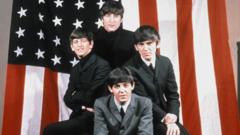
The release of the new documentary “Beatles '64” offers a fresh examination of The Beatles' historic arrival in the United States. In it, Paul McCartney reflects on the wave of emotion that followed President John F. Kennedy's assassination and suggests that the nation may have been seeking solace in music during that time. “Maybe America needed something like The Beatles to be lifted out of sorrow,” McCartney states, highlighting how the Beatles inadvertently filled a cultural void after the national tragedy.Kennedy's assassination on November 22, 1963, left America reeling. As the young band disembarked at John F. Kennedy International Airport on February 7, 1964—just 70 days later—their arrival marked a significant moment in U.S. history, occurring amidst a backdrop of grief that affected the nation's youth. Dr. Patrick Andelic from Northumbria University points out that both JFK and The Beatles resonated with the younger generation due to their youthful energy and media presence.The Beatles were already a celebrated act in the U.K. by the time they began their U.S. takeover, boasting multiple chart-topping albums. With their captivating charisma, the band became an unstoppable force, and their televised performances, particularly the iconic Royal Variety Performance, helped to solidify their stardom.Despite the hesitations from record companies regarding British artists' ability to gain traction in the American market, Capitol Records eventually recognized the potential in The Beatles, releasing "I Want to Hold Your Hand" in late 1963. That single quickly dominated the charts and built significant anticipation for their arrival, which was met by thousands at the airport.Contrary to the theories linking Kennedy’s death with The Beatles' success, Spencer Leigh, an author on the subject, emphasizes the importance of their television appearances on the Ed Sullivan Show as the real game-changer. The show drew unprecedented viewership—over 70 million—cementing the band’s legacy in pop culture and making their music a national obsession.While the cultural shock of JFK's assassination created a unique environment in which The Beatles flourished, Dr. Holly Tessler cautions against viewing this connection as a direct cause-and-effect scenario. The groundwork for The Beatles' success had already been laid prior to the tragic event, and their unprecedented impact came largely from their own talent and the hype surrounding them.“Beatles '64” not only explores this pivotal moment in music history but also opens conversations about the connections between culture and politics during tumultuous times. As the band became emblematic of a new, hopeful era in America, they forever changed the landscape of popular music. The documentary is now available for streaming on Disney+.