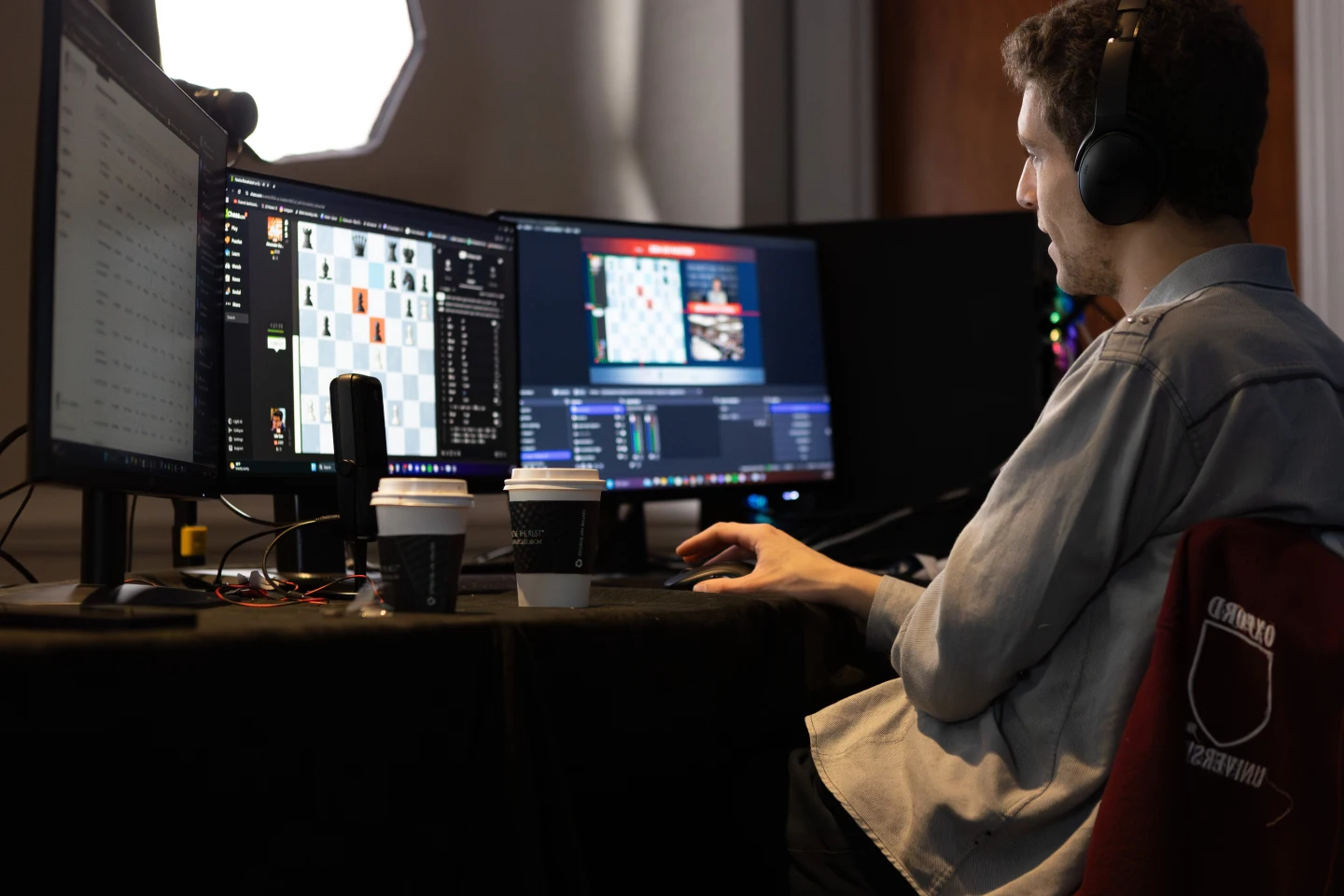
Daniel Naroditsky, a standard-bearer in the world of competitive chess that flourished in the COVID-19 pandemic, died Monday at the age of 29, leaving behind a legacy as one of the greats of the game who helped usher in its digital era.
The American grandmaster won several championships and amassed hundreds of thousands of subscribers on YouTube, Twitch and other platforms, where he would livestream matches and explain strategy in real time. But he also struggled with the cyberspace he helped build.
High-speed games became wildly popular online during the pandemic, creating a chess community that was soon rife with cheating allegations as players gained access to sophisticated programs that could provide unfair advantages.
Naroditsky’s untimely death has shined a spotlight on the dark underbelly of the game that fellow pros say brought undue criticism and hostility upon the chess star in his final months. His cause of death has not been released.
Legacy of integrity
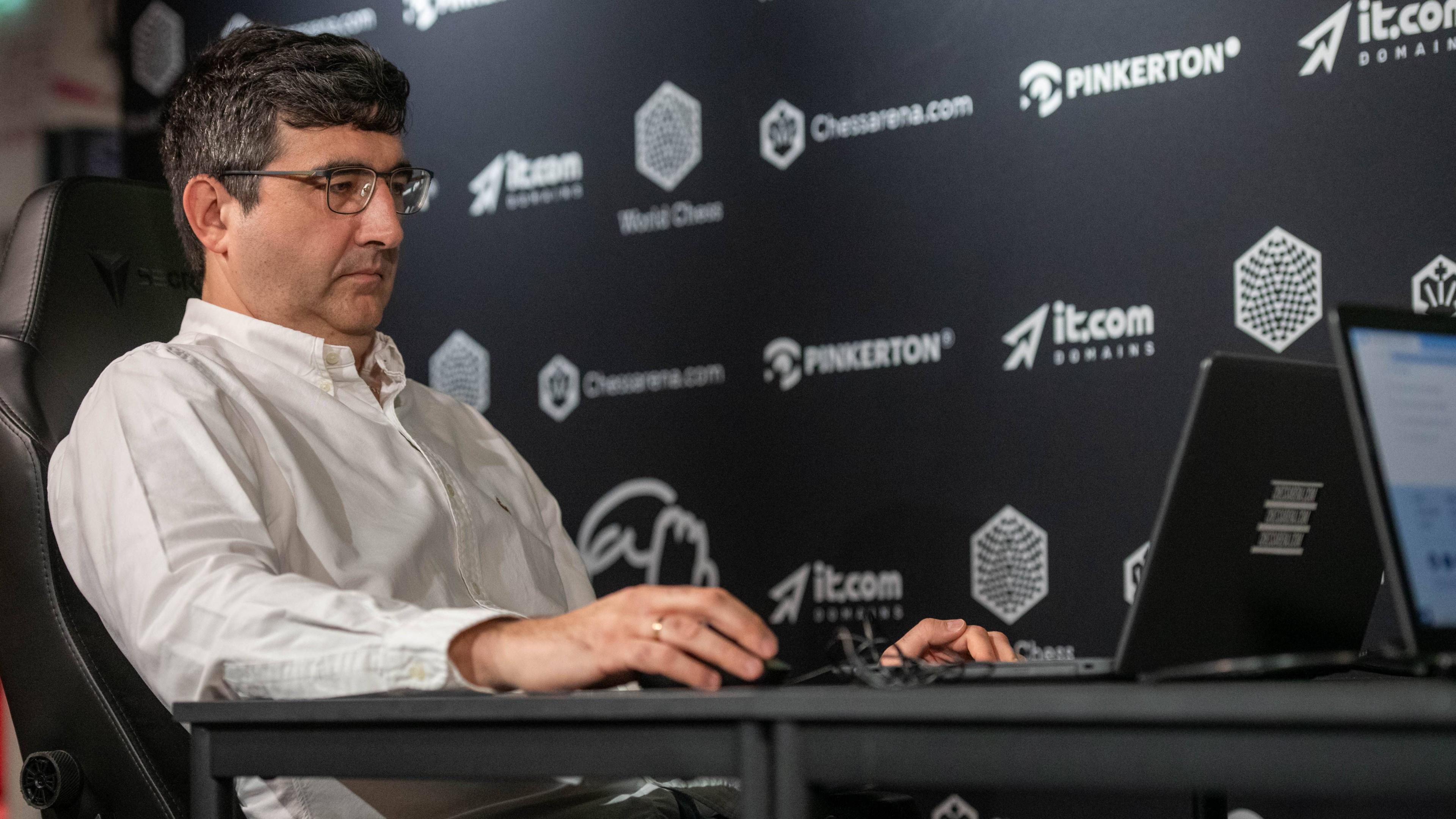
Naroditsky had been dogged by unsubstantiated claims of cheating from Russian grandmaster and former World Chess Champion Vladimir Kramnik, whom Naroditsky had called one of the “heroes” he looked up to as a young player.
The California-born pro had denied the claims as he excelled at blitz and bullet chess, where players have only minutes to finish intense matches. He was vocal about how the allegations took a toll on him.
“Ever since the Kramnik stuff, I feel like if I start doing well, people assume the worst of intentions,” Naroditsky said Saturday in the last livestream he filmed before his death. “The issue is just the lingering effect of it.”
He ruminated about his legacy and hoped other top players would trust that he played with integrity. Grandmasters and other chess pros applauded Naroditsky as an honorable ambassador of the game who used his platform to make chess accessible. His family stated they hope he will be remembered for the joy and inspiration he brought people every day.
Naroditsky became a grandmaster at 18 and consistently ranked in the top 200 worldwide for traditional chess. His recent U.S. National Blitz Championship win showcased his skills, and he dedicated much of his time training young players.
“Daniel was an incredible teacher and explainer of chess concepts,” said Daniel Weissbarth, co-owner of Silver Knights Chess Academy.
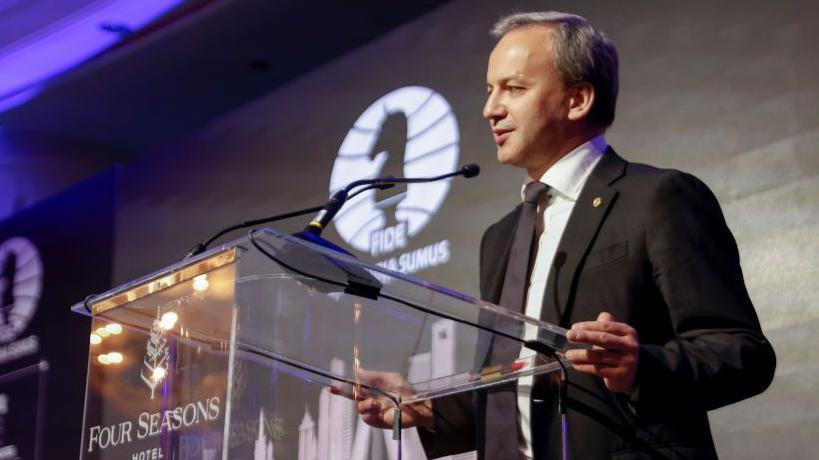
Arkady Dvorkovich, president of the International Chess Federation, announced plans to establish a prize in Naroditsky's memory for his contributions to chess.
Blame game
Many pros this week called for an end to the constant finger-pointing towards players like Naroditsky who excelled in fast-paced play. Kenneth Regan, an international master and computer science professor, noted that cheating in online chess is significantly higher than over-the-board play.
The popular internet chess server Chess.com shut down Kramnik’s blog in 2023 for spreading baseless cheating allegations against "many dozens of players." The platform warned of “Kramnik’s escalating attacks” against well-respected members of the chess community.
In the digital realm, the rapid style of play relies heavily on the honor system, fostering a breeding ground for accusations.
Nurturing young talent
Just last week, Naroditsky posted a video on his Speedrun chess series, expressing excitement to be “back, better than ever” after a creative break. His instructional videos provided valuable insights for chess enthusiasts across skill levels.
Other grandmasters, including Hikaru Nakamura and Magnus Carlsen, leverage social media to broaden chess's reach, enhancing its popularity globally.
“Daniel or other streamers inspire many to start playing online chess,” said John Hartmann, editor of Chess Life magazine. Carlsen referred to Naroditsky as a universally loved resource for the chess community.