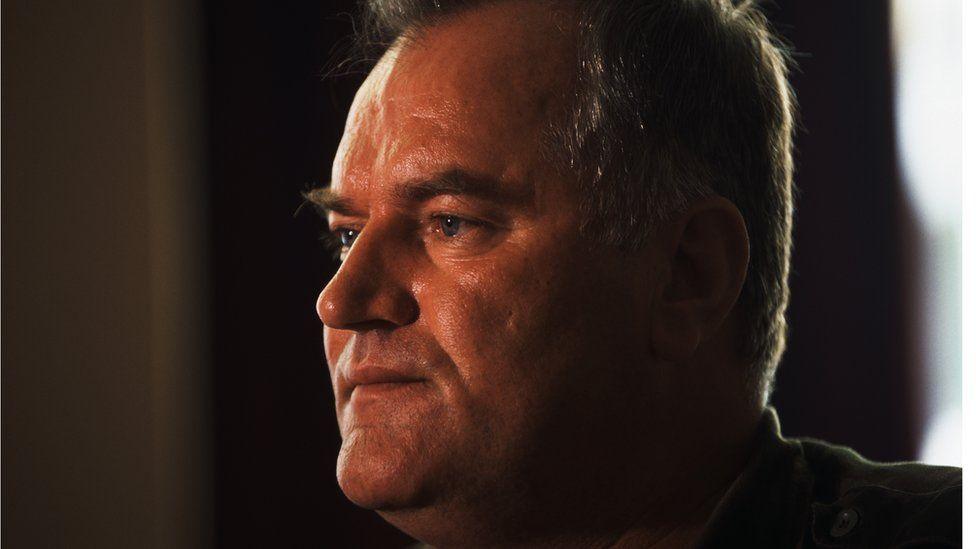
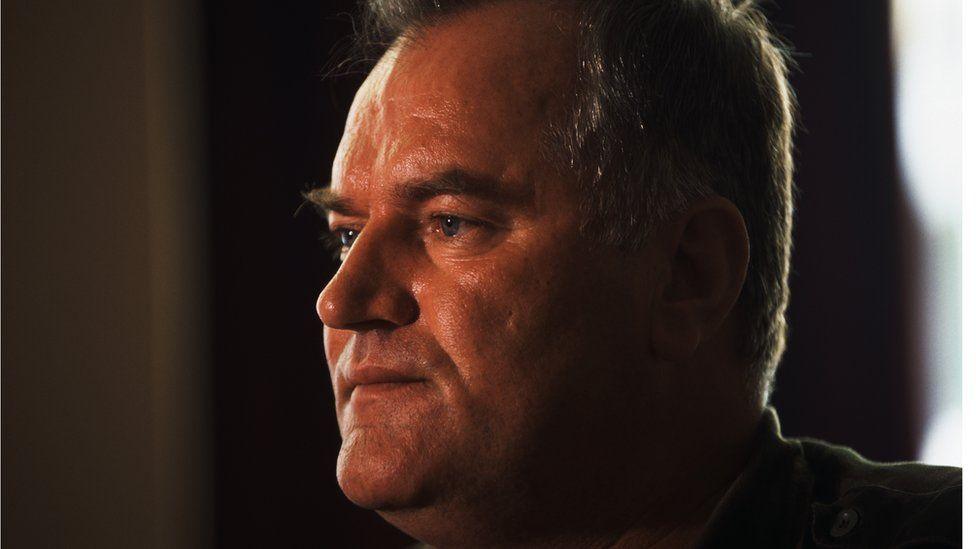
Ratko Mladić, born 12 March 1942, rose through the Yugoslav Army after graduating from officer school in 1965. He commanded units in Macedonia and Kosovo before becoming a key figure in the Bosnian Serb forces during the 1990s. From 1992 to 1994, he led the 1,425‑day siege of Sarajevo, shelling the city relentlessly and killing thousands.
In 1995, his troops took over the UN‑designated safe area of Srebrenica. Over five days, he ordered the roundup of 8,000 Bosniak men and boys, then had them executed and buried in mass graves – an act recognised as genocide.
After Milošević’s fall, Mladić was forced into hiding, slipping between safe houses and the protective shield of loyal bodyguards. He was finally captured in July 2008, after his associate Radovan Karadžić was turned over to the International Criminal Tribunal by his own government.
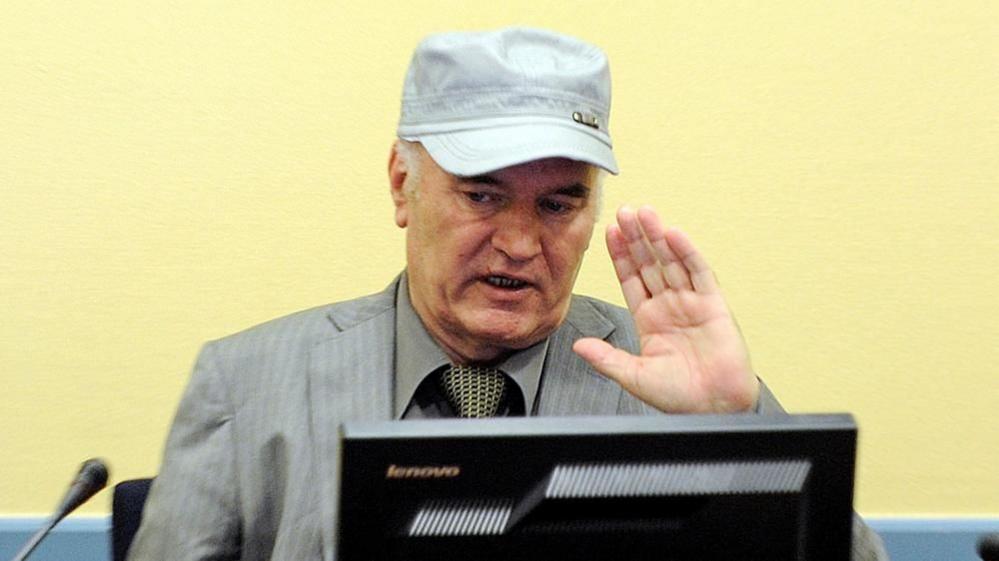
The trial, held in The Hague, spanned more than 500 days and included the testimony of nearly 600 witnesses and almost 10,000 pieces of evidence. The court found him guilty of genocide, crimes against humanity and violations of the laws of war.
Convicted, Mladić received a life sentence and will die in prison. In Bosnia and Serbia, his legacy remains polarised: some view him as a national hero, others remember him as a ruthless war criminal. The events of the 1990s, though largely ended, still leave a fragile coexistence between Bosniaks and Serbs today.