In brief
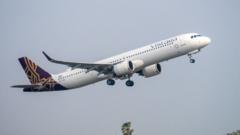
As Vistara prepares for its last flight on Monday, the airline's integration with Air India signifies a major shift in India's aviation landscape. Following nine years of operation, the full-service carrier will cease its brand as it merges into the Tata-owned Air India to create a single, expanded entity. This move is aimed at consolidating operations, streamlining services, and enhancing customer offerings. While the merger promises to leverage the strengths of both airlines, it faces widespread scrutiny regarding service continuity and operational challenges amidst concerns of losing Vistara's established reputation for quality.
The two airlines' integration is set to redefine customer experiences in Indian aviation.As Vistara makes its final descent, the anticipated transition merges the airline's strong reputation with Air India's legacy brand. Under the merger, all Vistara flights will be absorbed into Air India's operations, raising concerns over maintaining the high standards famed by Vistara among loyal customers. Both airlines have reported significant reductions in their annual losses recently, pointing towards improved financials, yet the merger is fraught with potential turbulence. From aligning its diverse service formats to addressing pilot shortages, Air India must navigate the challenges ahead to ensure a seamless transition while revitalizing its own brand image. As the industry witnesses yet another shift, the question remains: will the newly formed entity rise to meet the expectations left by Vistara?