Andrea Pirlo steps back from Italy coach bid amid controversy over Russian betting ties
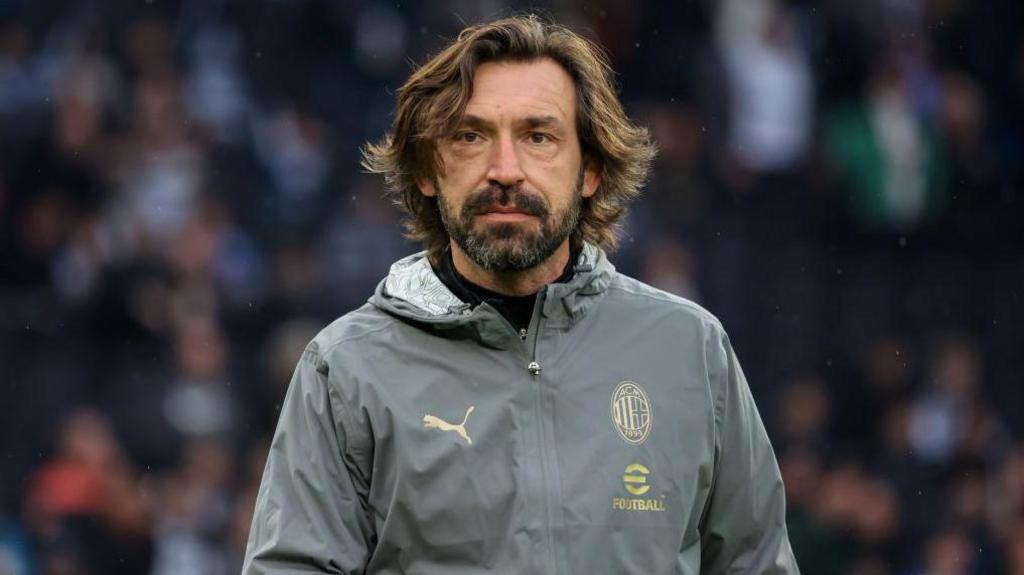
Former Internazionale, Juventus, AC Milan and Azzurri midfielder Andrea Pirlo confirmed that he will no longer be considered for Italy’s national team head‑coach position. The announcement came after a storm of criticism from Italian politicians and football officials over his role as global ambassador for the Russian betting company Fonbet.
Pirlo’s connection to Fonbet emerged last October when he accepted the ambassadorship, which has since been linked to events at Moscow’s Luzhniki Stadium that promoted veterans of Russia’s war in Ukraine and featured pro‑Kremlin performers such as the pop star Shaman. The partnership also saw Pirlo appear alongside Russian footballer Artem Dzyuba, who publicly expressed pride in his nationality during the war.
"Anyone who is or has been promoting Russia after 2022 should not hold national office," said Carlo Calenda of the centrist Azione party. The Italian Football Federation (FIGC) had not yet formally confirmed Pirlo’s appointment, but the support was considered almost certain before the controversy erupted.
In a statement on Instagram, Pirlo described his involvement with Federbet as purely commercial and sporting. He insisted that any political interpretation of his collaboration was false and that he had not expressed any beliefs he admits do not belong to him.
“Over the last few days I watched, with great bitterness, the debate that swirled around my name,” Pirlo wrote. He added that he is “no longer a candidate” and clarified the nature of his overseas engagements.
The backlash put pressure not only on the FIGC but also on its new technical director Paolo Maldini, who may face criticism if the coaching position remains unfilled. Other candidates on the panel include veteran manager Antonio Conte and former Italy boss Roberto Mancini, who recently left his role with the Saudi Arabian national team.
As Italy seeks a coach to steer the Nations League and future Euro 2028 qualification, the scandal underscores the increasing scrutiny of football clubs and national bodies in the context of the ongoing Ukraine war and political sensitivities surrounding Russian affiliates.