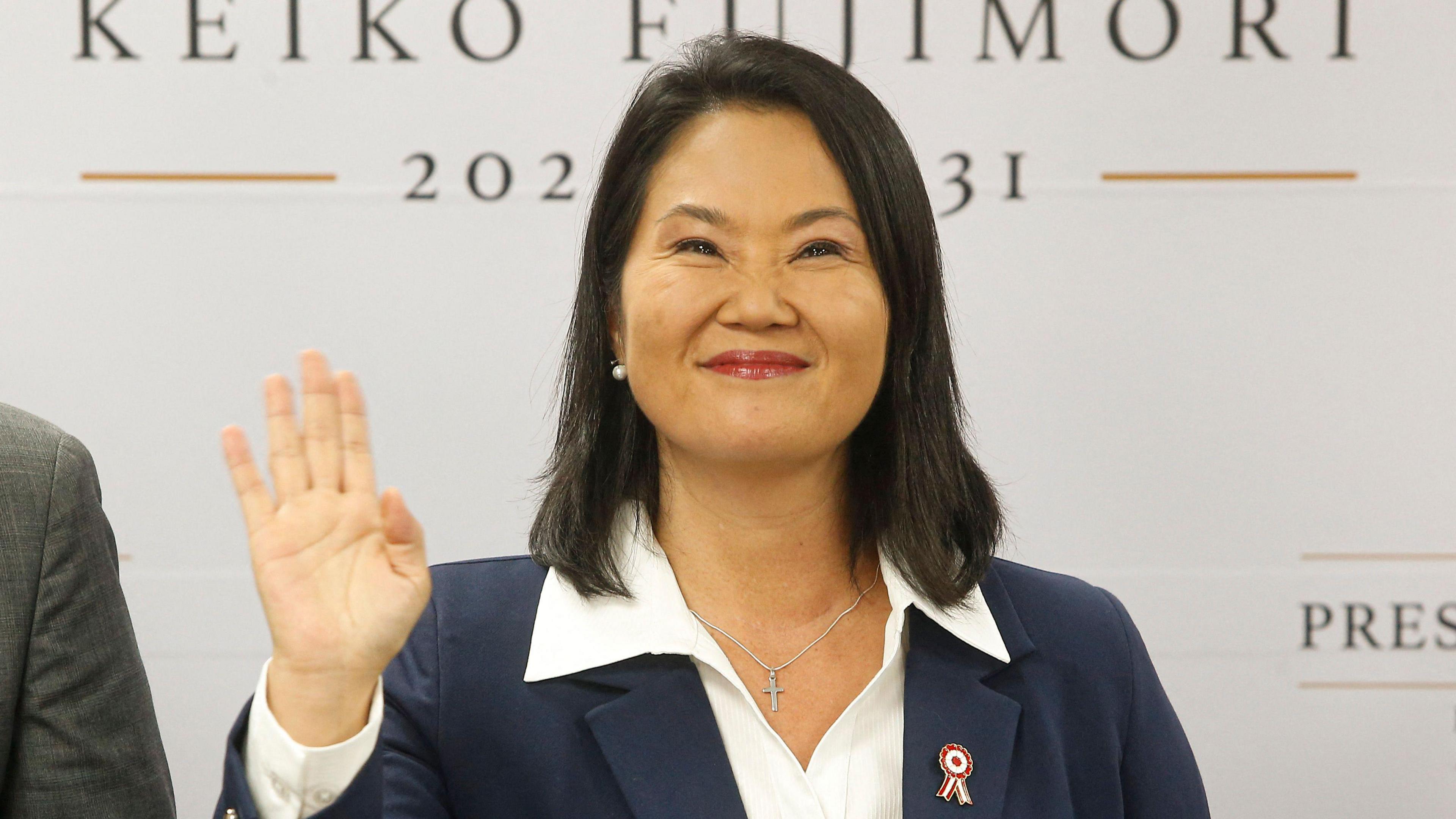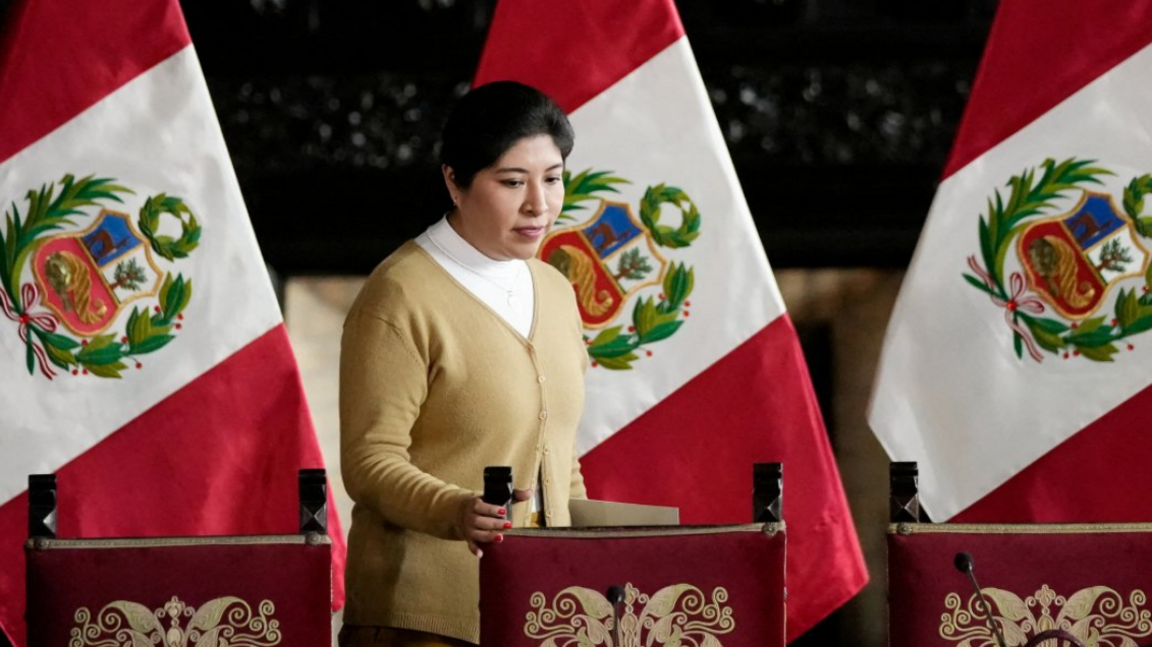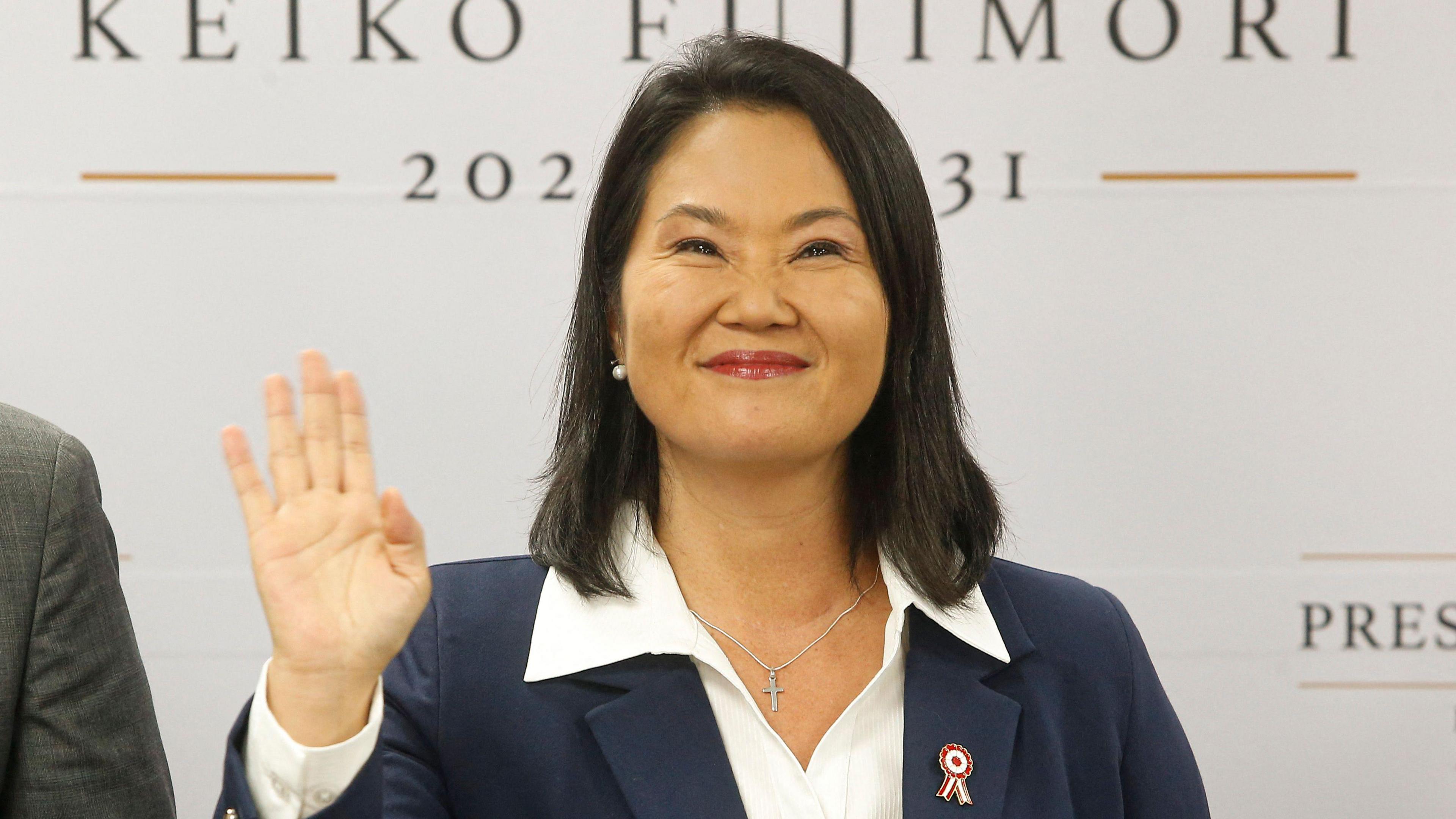
In a narrow 50‑to‑50 victory, Peru’s 51‑year‑old right‑wing candidate Keiko Fujimori was declared the winner of a runoff held on 7 June, gaining 50.135 % of the vote and beating left‑leaning opponent Roberto Sánchez by less than 50,000 votes, as certified by the electoral court.
The result has stirred controversy: Sánchez has accused the election of serious tampering, citing strong overseas turnout for Fujimori as evidence of irregularities, and has threatened to pursue legal action to annul the verdict.
Fujimori’s campaign, built on her father Alberto Fujimori’s legacy, is focused on a hard‑line stance against organised crime, a promise of military‑style police crackdowns, and attracting foreign investment to spur economic growth.
Her inauguration is slated for 28 July, positioning her as the ninth president of Peru in the past decade and reflecting a wider regional shift toward right‑wing leadership, mirrored in the recent elections of Colombia’s Abelardo de la Espriella, Ecuador’s Daniel Noboa, and others.