
In brief
The initiation of a Jordanian medical program provides advanced British-manufactured prosthetics to the many amputees in Gaza, helping victims like Rizeq Tafish and young sisters Hanan and Misk al-Doubri reclaim their lives and futures despite the devastating consequences of the ongoing conflict.
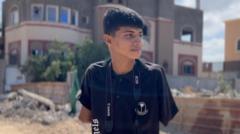
In Rafah, Southern Gaza, 15-year-old Rizeq Tafish can finally take steps towards recovery after receiving a prosthetic leg. He was mired in despair after losing his limb to Israeli tank fire, but thanks to a new Jordanian initiative employing advanced British technology, Rizeq represents one of thousands who have been afforded the chance to walk again.As the region grapples with the staggering fallout from a protracted conflict, the human toll of tragic injuries is profound. The UN's World Health Organization indicates that at least 94,000 individuals sustained injuries over recent months—resulting in life-changing consequences for more than 24,000 Gazans. The ongoing blockade means only 16 of Gaza’s hospitals are functional, severely limiting access to medical care and rehabilitation services.Rizeq experienced profound loss after his leg was amputated. “I lost my whole life: my job and my hope,” he reflected. His journey, like many others in the region, underscores the critical need for rehabilitation and support.An innovative program led by Jordanian medical professionals utilizes prosthetics by British firms, Koalaa and Amparo, which can be fitted within just hours, bypassing months of waiting. Lt. Abdullah Hamada detailed the effectiveness of this approach, which enables quicker fittings and is designed to cater to the immense demand for prosthetics in Gaza.Sisters Hanan and Misk al-Doubri also faced unfathomable tragedy after an Israeli airstrike killed their mother and caused severe injuries that led to amputations. Their family's story highlights the ongoing tragedy affecting countless families, raising questions about military actions.Meanwhile, aspiring photographer Diya al-Adini continues to dream despite the loss of his arms in an attack on a coffee shop. Now reliant on his sister for support, he remains resolute in his ambition to pursue photography when he receives prosthetic arms.As Rizeq steps into a rehabilitative future, he speaks to the hope the new prosthetic has ignited: “Just getting my leg back is also giving me back my smile that I want to share with everyone.” This resilience persists among many Gazans, all striving to reclaim their lives in the aftermath of devastating conflict.