In brief
As the global market for ornamental plants grows, research reveals the alarming trend of stowaway species posing serious ecological risks.
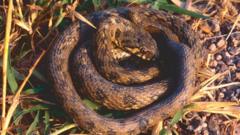
Researchers from the University of Cambridge have raised alarms about the presence of invasive species traveling with potted plants and cut flowers, highlighting threats to ecosystems and agriculture. These so-called "hitchhiking intruders" include a variety of reptiles and amphibians—such as tree frogs, snakes, lizards, and harmful insects—that have been discovered in shipments across Europe and the UK.One notable incident involved a tree frog that surfaced from a bouquet of roses at a florist in Sheffield, originally imported from Colombia. Similarly, snakes were found concealed within ornamental olive trees transported across continental Europe. The risks associated with these uninvited passengers extend beyond mere irritants; according to the study, they could inflict severe damage on local wildlife and agricultural sectors."The discovery of adult snakes and lizards is just scratching the surface," Professor William Sutherland of the University of Cambridge explained. He emphasized that if larger animals are making it through customs, then unnoticed smaller pests, which can lead to extensive crop damage, are likely slipping by unnoticed as well.Research indicates that the production of ornamental plants is rapidly expanding, particularly in regions like East Africa and South America. Despite established regulations, the high volume of trade complicates the effectiveness of customs checks aimed at intercepting these unwanted species. Dr. Silviu Petrovan from the University of Cambridge pointed out that, even with diligent scrutiny, it's nearly impossible to prevent all invasive species from entering new habitats.The study, published in the journal Bioscience, analyzed pest records collected at customs in the Netherlands between 2017 and 2018 and from the UK's Department for Environment, Food and Rural Affairs over a more recent period. The researchers urge that enhanced production standards and comprehensive risk data need to be shared to combat this growing issue. In conclusion, as the flower and plant trade flourishes globally, so does the risk of introducing non-native species that threaten established ecosystems.