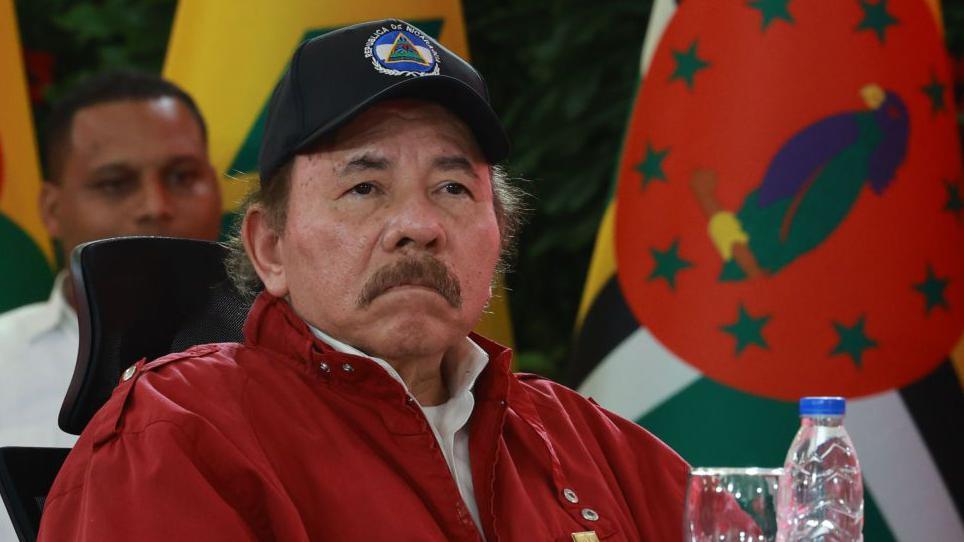
President Daniel Ortega has formally proposed adding a further year to his presidential term, a change slated to be debated by the National Assembly in September. The proposal arrives alongside a sweeping constitutional overhaul that seeks to block so‑called “traitors” or “coup plotters” from running for office, tightening the regime’s hold over political life.
Ortega, who has led Nicaragua since 2007, has steered a series of reforms that dismantled term limits: in 2014 the Assembly removed restrictions completely, and in 2024 extended the term from five to six years. The same body also sanctioned the creation of a co‑president role for wife Rosario Murillo, positioning her to inherit the presidency if Ortega’s health precludes him.
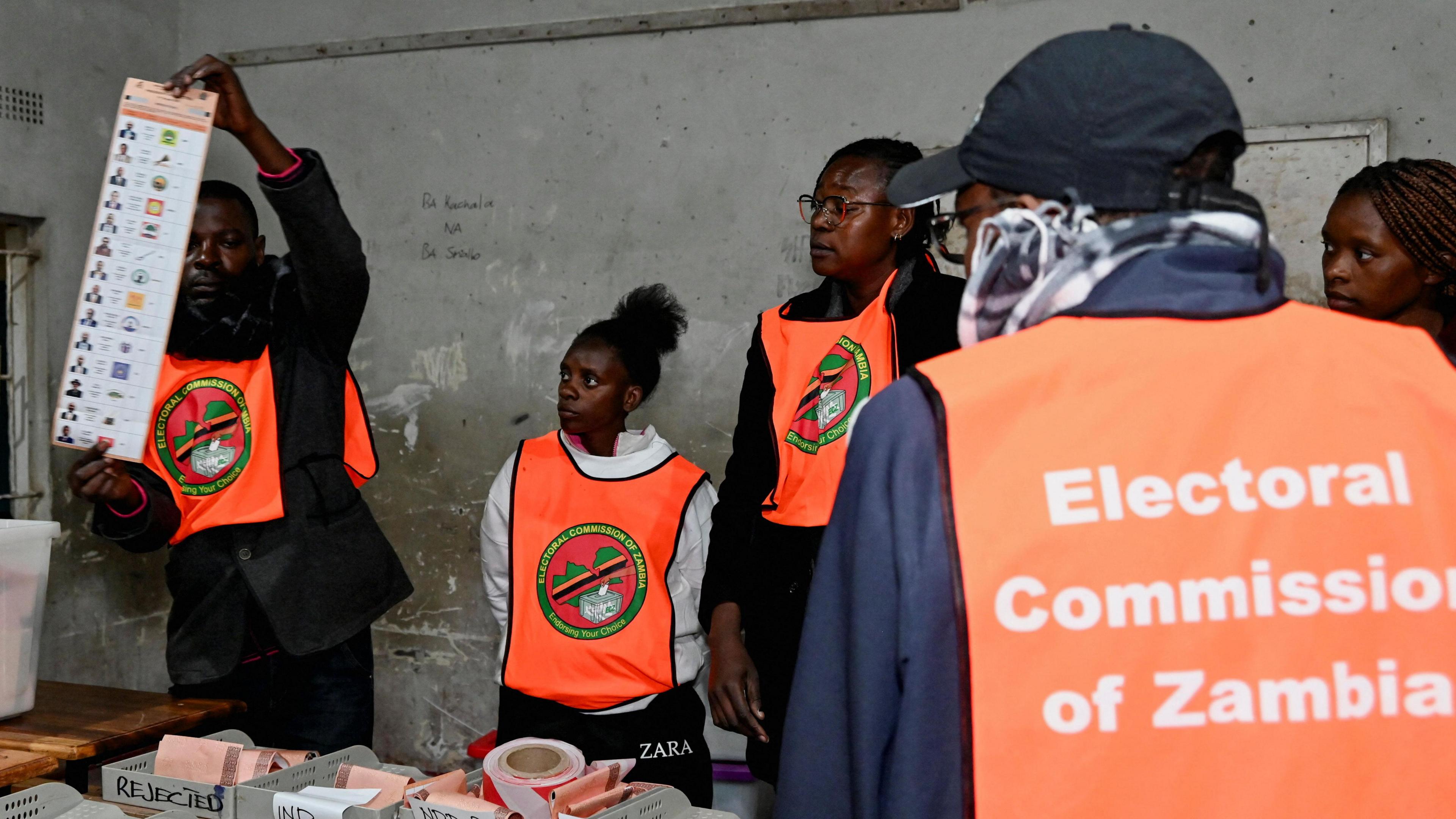
The country’s electoral history has highlighted an environment of intimidation and exclusion. The last election in November 2021 was effectively a one‑way contest after Ortega’s forces detained, disqualified or exiled rival candidates, leaving only fringe names on the ballot.
United Nations human‑rights chief Volker Türk warned that the government’s repression had intensified, citing systematic erosion of the rule of law and a sharp rise in the persecution of political dissidents.
In the years since 2018, when security forces violently suppressed protests, no more than 300 people have been reported killed in Nicaragua. Those who have spoken out openly in opposition to Ortega’s administration risk detention or exile.
The proposed term extension, if passed, would solidify Ortega’s dominance further and expand the reach of a regime that has increasingly relied on authoritarian tactics, reshaping Nicaragua’s political future and its international standing.