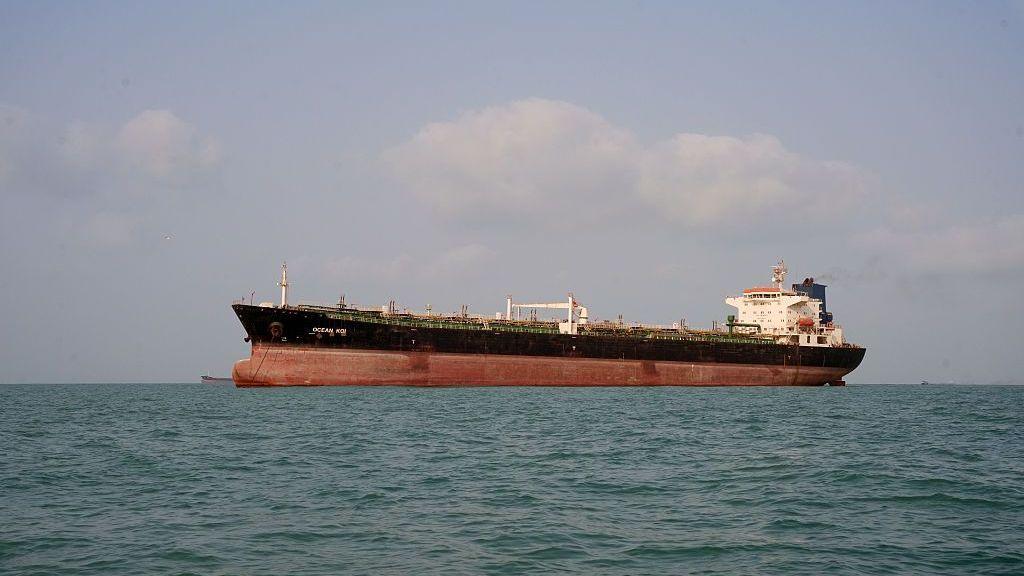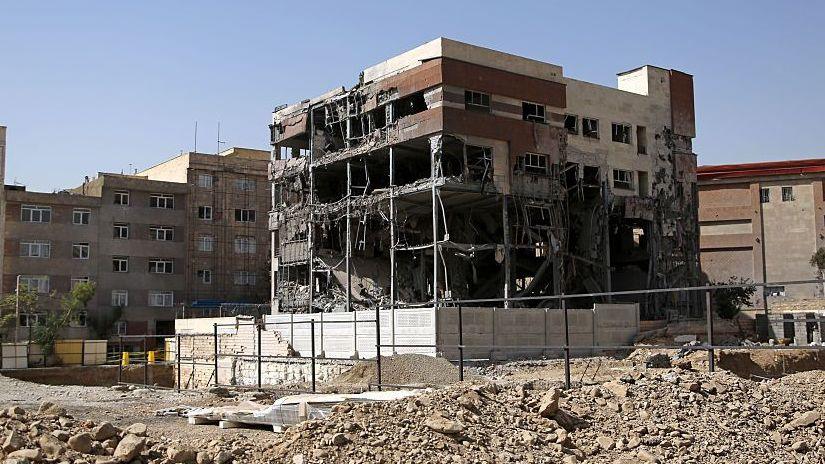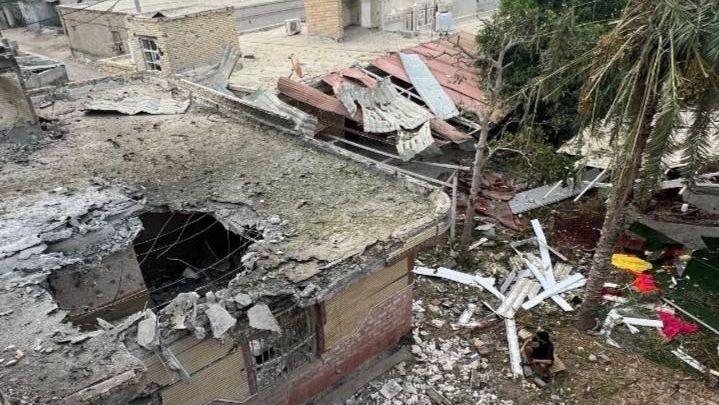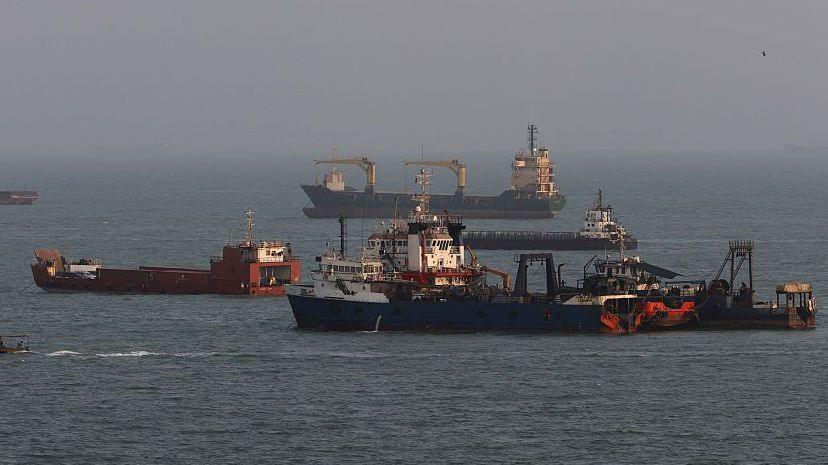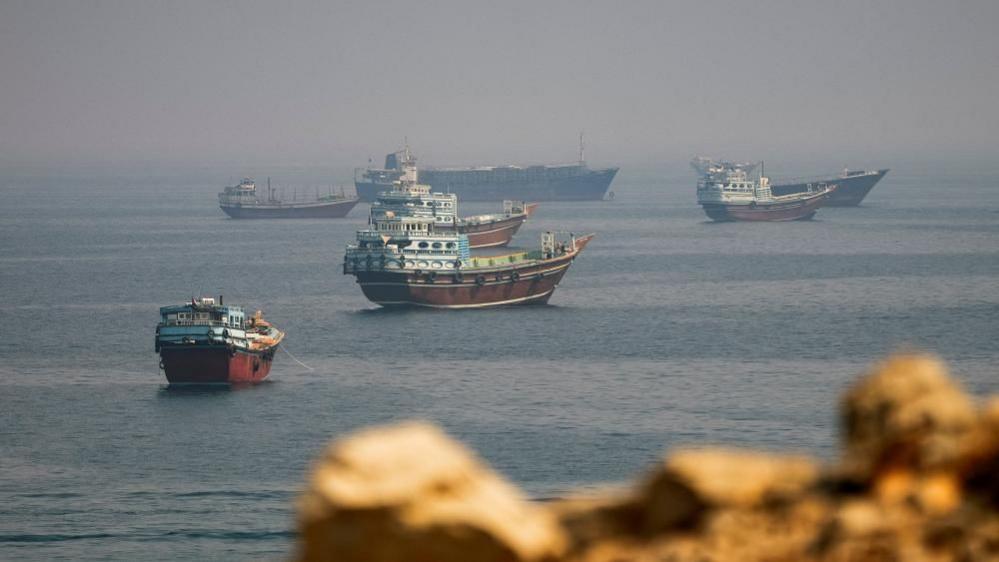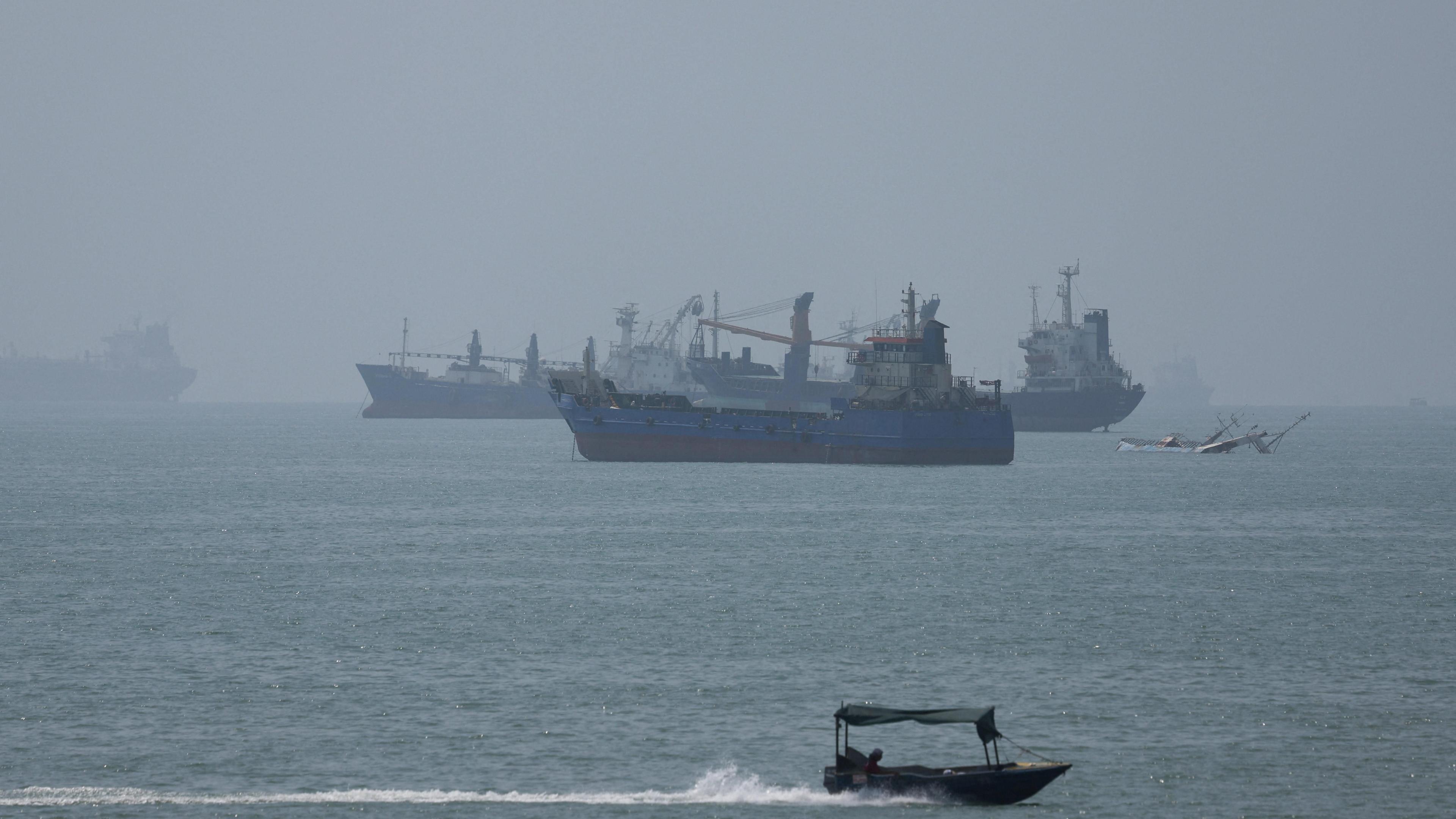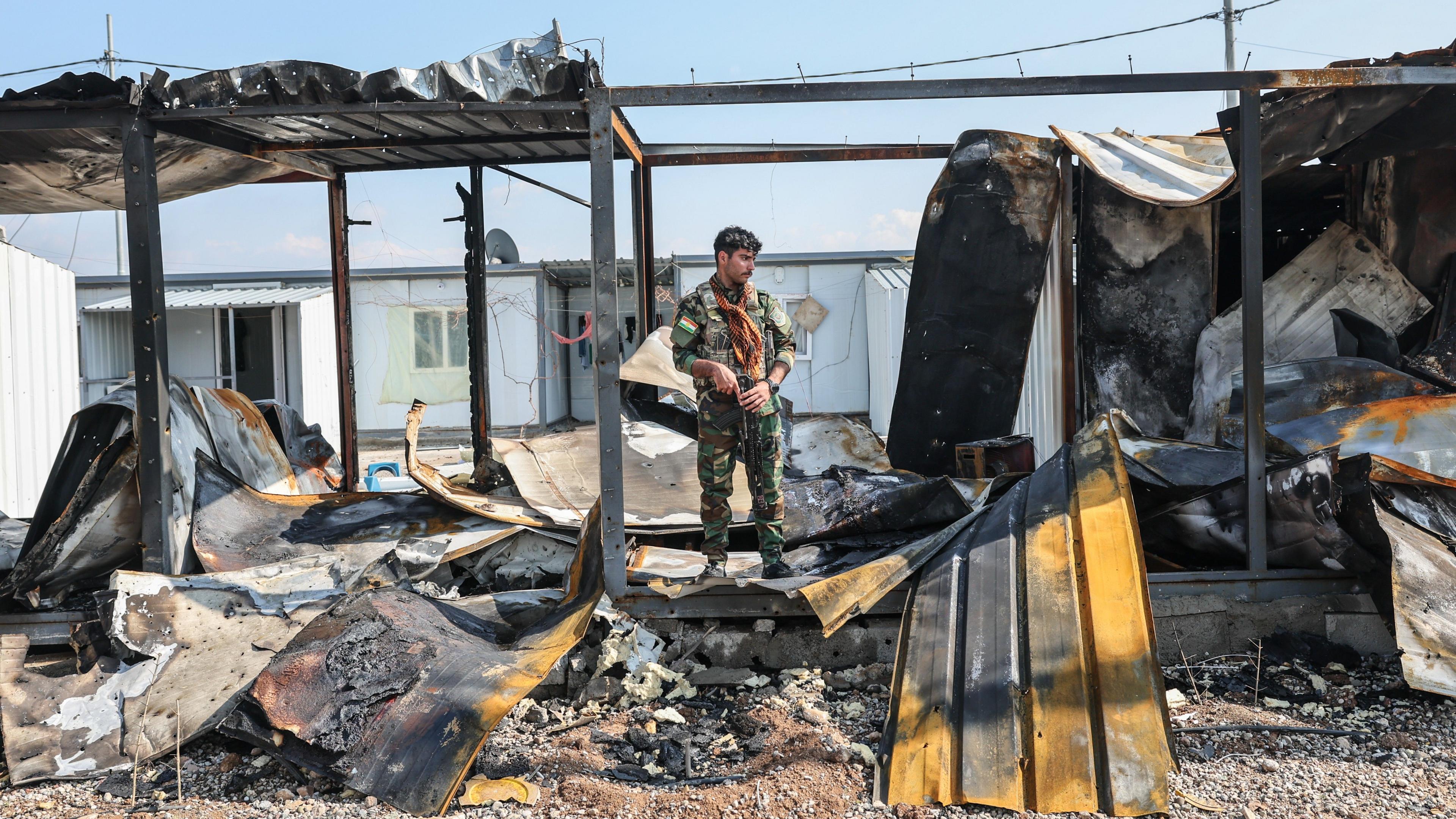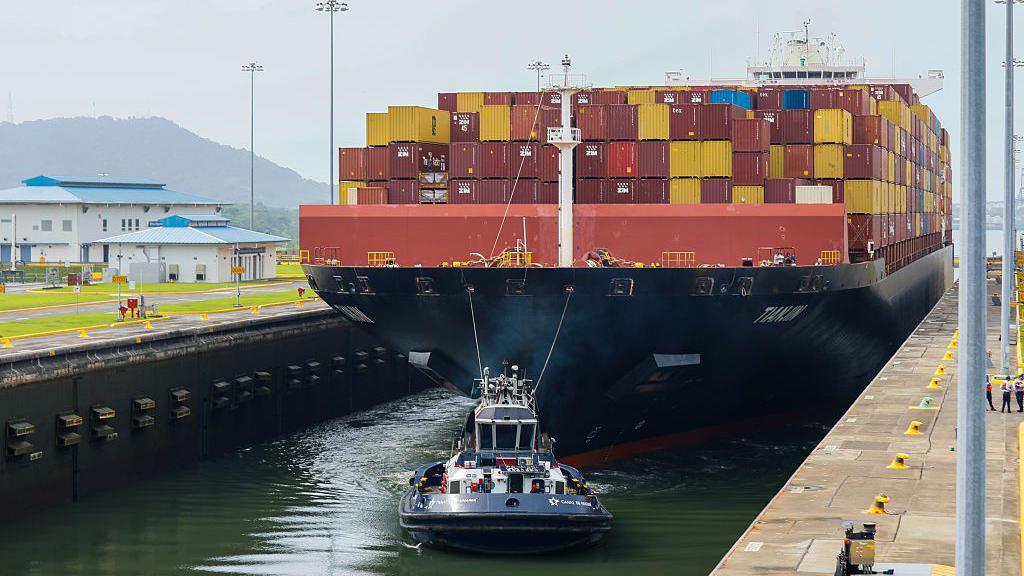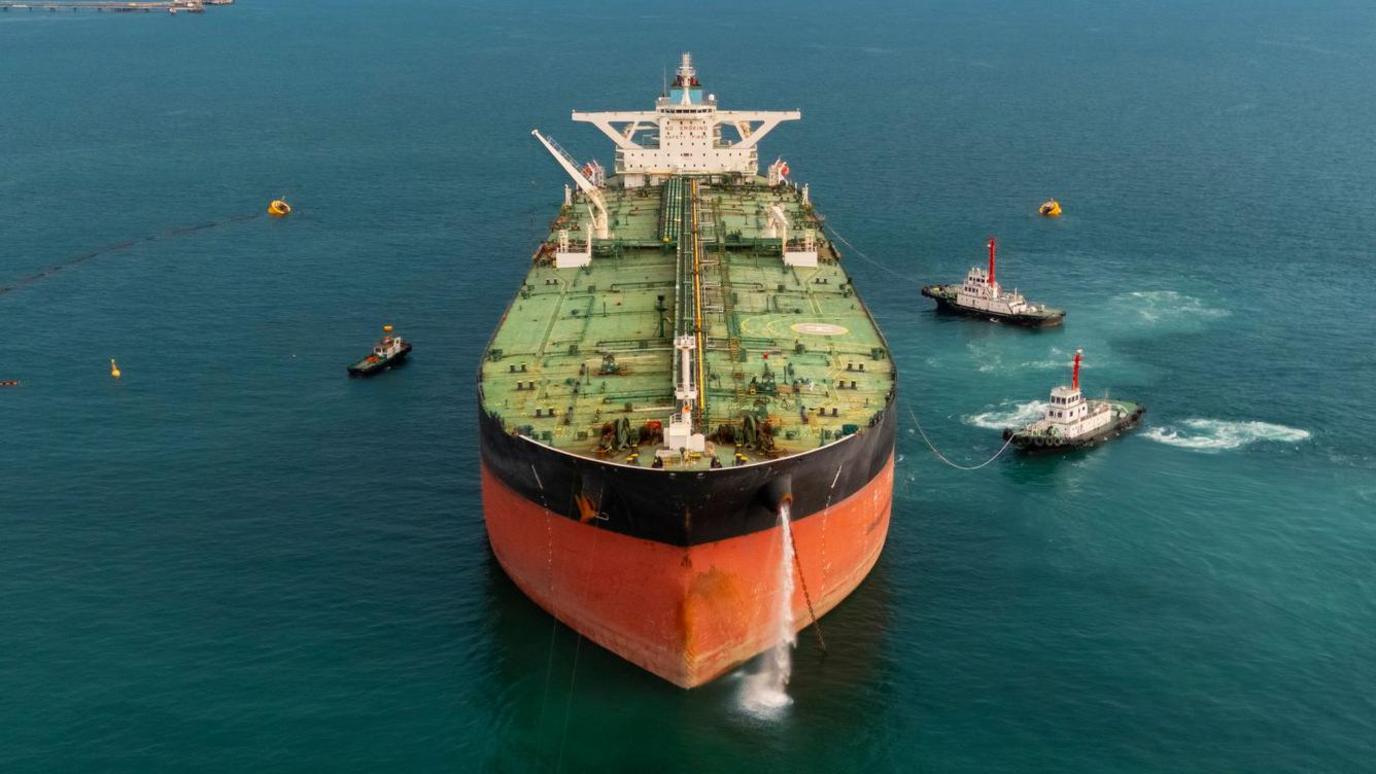
Oil tankers in the Middle East are facing an all‑time high threat level, analysts have warned, following a series of attacks in the Red Sea and a sharp decline in traffic through the Strait of Hormuz.
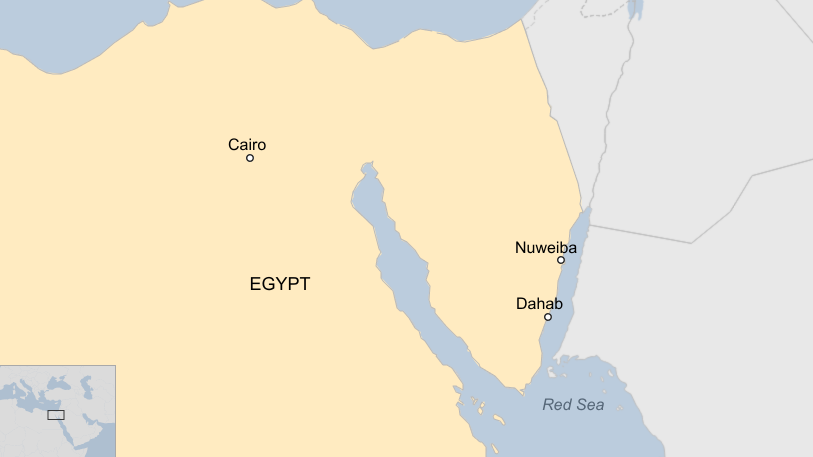
Since the Iranian blockade of the strait, a new route has emerged where Saudi tankers use the Red Sea corridor between the Arabian Peninsula and northeastern Africa. However, Yemen’s Houthi militia has recently launched a string of strikes against these vessels, raising danger for deliveries of crude oil to Asia.
Data from the ship‑tracking firm Kpler show only eight tankers transiting the Strait of Hormuz on Sunday and 11 on Saturday, compared with more than 100 per day before the conflict. With roughly twenty percent of the world’s oil and gas once passing through the strait, the slowdown is having a tangible effect on global supply chains.
To reduce the risk of detection, many vessels are “going dark”, turning off their transponders as they move through the corridor. The Houthi blockade announced a week ago has also forced some ships to reroute or postpone transit entirely.
Industry voices are sounding alarm. Matthew Wright at Kpler says the situation is “the worst period” since the war began, and Tim Wilkins, managing director of Intertanko, warns that the high‑risk area now extends into Saudi waters and parts of the Red Sea. A spokesperson for Hapag‑Lloyd notes that its vessels continue to pass through the Red Sea but will adjust routes if conditions deteriorate further.
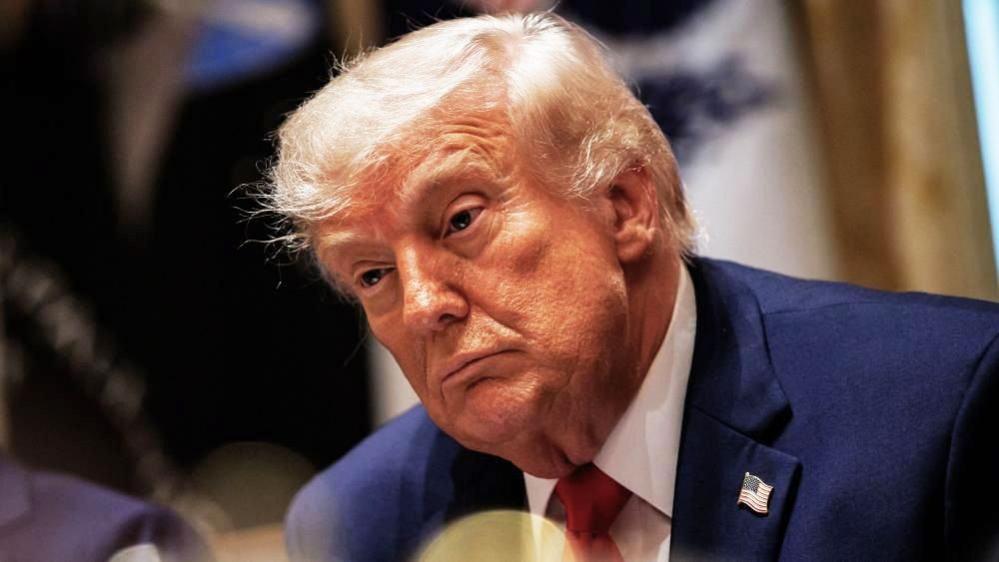
The security threat has spilled over into market pricing. In the wake of President Trump’s announcement that planned Iranian strikes would be cancelled pending talks, Brent crude fell to $84.05 a barrel, after a steep drop earlier in the day. Peter Sand, chief analyst at Xeneta, cautions that shipping has returned to a “terrible state” with little clarity on a resolution.
Both the oil industry and maritime trade officials are closely watching any negotiations with Oman and the United States, with the hope that a new agreement could lift restrictions on the Strait of Hormuz and restore normal flow of cargo.