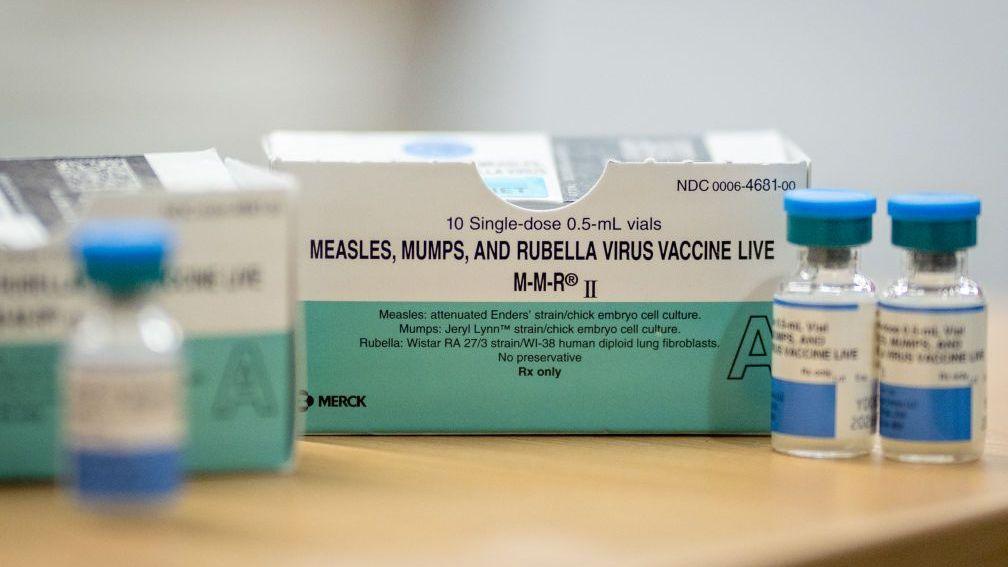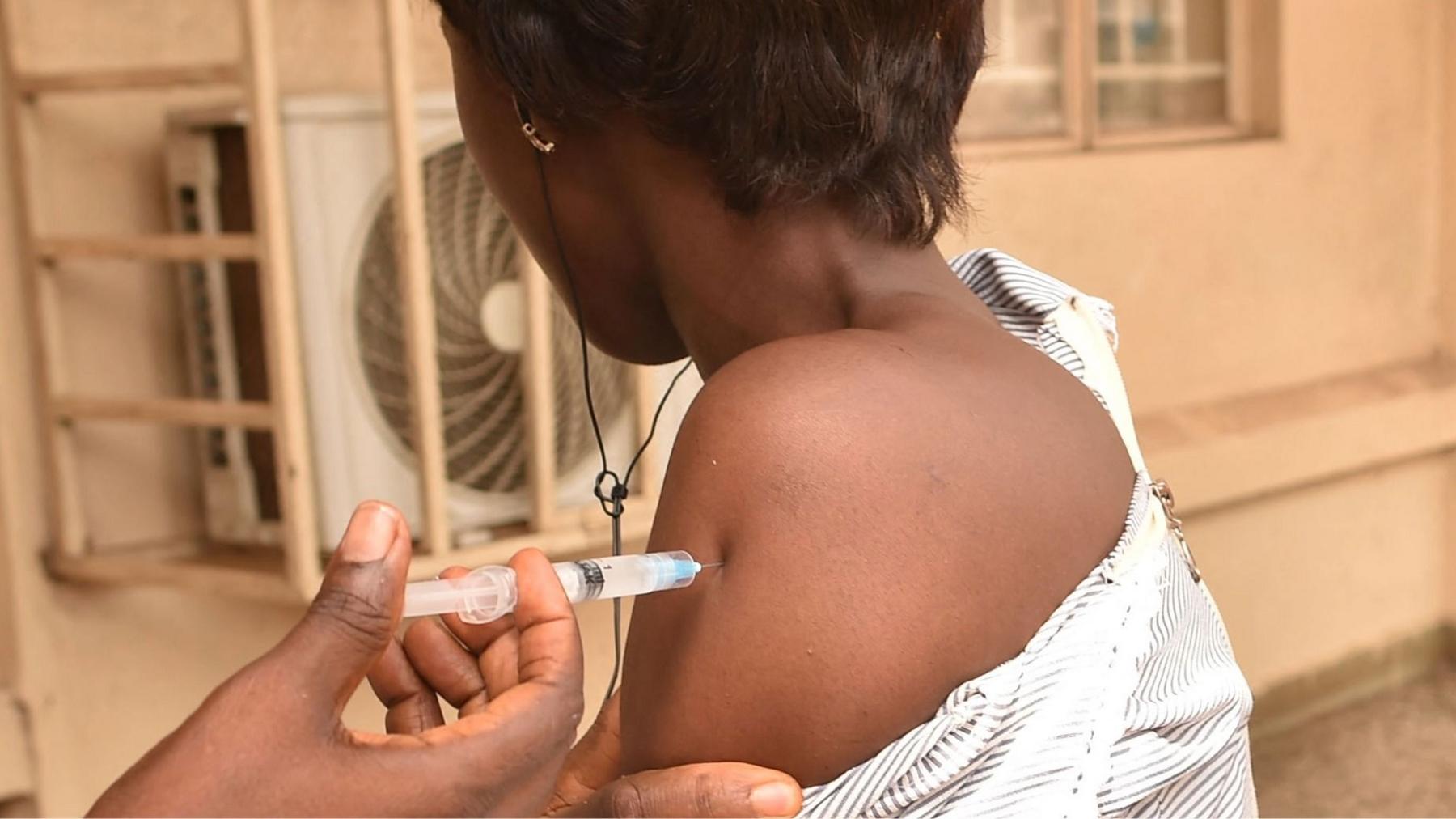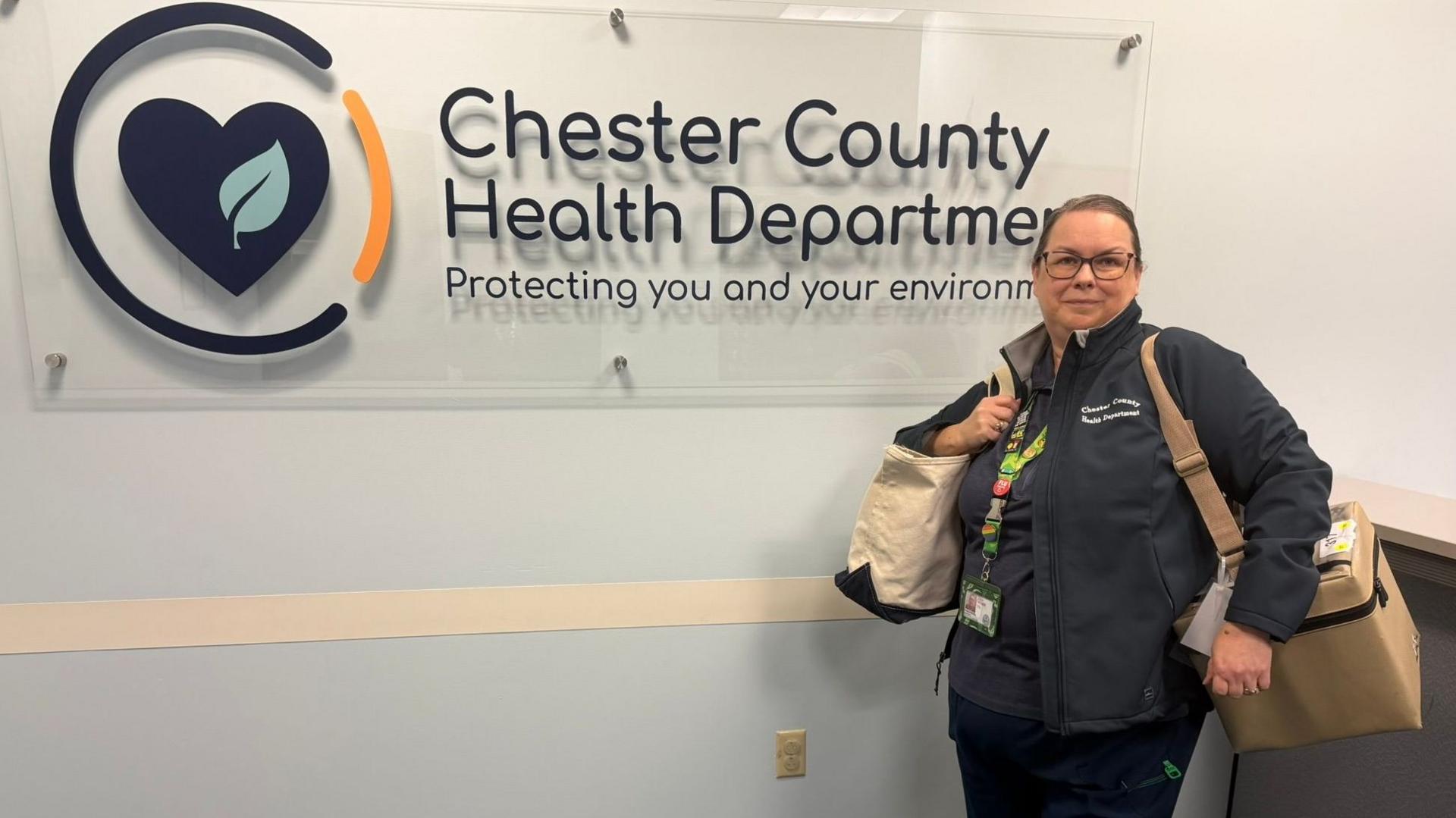
In rural Pennsylvania, where thousands of Amish people avoid many facets of modern life, a measles outbreak has prompted an unusual public‑health response. A nurse from the Chester County Health Department drives nearly 30 miles each day to reach Amish homes, delivering the measles‑mumps‑rubella (MMR) vaccine in kitchens, barns, and other private settings.
At‑home vaccination provides a door‑to‑door approach that respects cultural boundaries while boosting immunity. Weiser, the clinical supervisor, says the strategy has helped vaccinate about 100 people so far and encourages families to ask questions that can change their minds. “People have no insurance and little contact with the health system,” she notes; “the more we talk, the more they listen.”
County officials also set up pop‑up clinics near the outbreak’s epicentre, administering over 4,300 MMR shots since late April. Yet the state still reports four deaths linked to the disease, prompting concerns about the spread as schools reopen.
Political tension has risen over the kill‑count, with federal officials questioning death reports. The debate illustrates the broader mistrust that has flared around vaccination safety nationwide, especially after a recent executive order suggested splitting the MMR shot into three parts. Public‑health experts warn that such rhetoric only slows vaccination efforts.
Despite these hurdles, the team’s boots‑on‑the‑ground model is creating trust. “Many in the community are hearing about the severity and are willing to talk,” says Director Jeanne Franklin. They also confront misinformation—claims about heavy metals or hidden chips in the vaccine—by answering community members’ questions directly.
The strategy shows how vital local engagement is in controlling outbreaks in tight-knit groups. As the outbreak progresses, the goal is to get everyone above the vaccination threshold before the school year starts, reducing opportunities for measles to spread.