In brief
Thai palaeontologists have announced the discovery of Uragasaurus kalasinensis, a colossal late‑Jurassic plant‑eating dinosaur whose neck stretches to 20 metres—about the length of a cricket pitch. The find stems from a 2008 fossil‑rich site in Kalasin Province, where a dorsal vertebra displayed unique laminae and a Y‑shaped air‑cavity system. CT scans identified it as part of the Mamenchisauridae family, a lineage famously found in China. This discovery marks the first Mamenchisauridae report in Thailand, offering new insight into sauropod distribution and evolution.
New Thai Dinosaur with Cricket‑Pitch Long Neck Unearthed
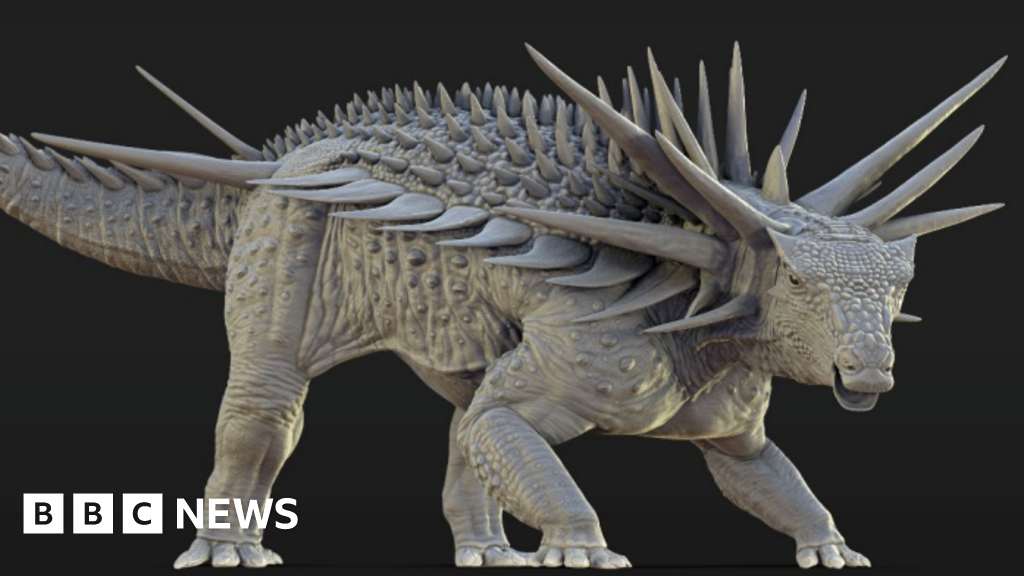
Scientists in Thailand have announced the discovery of a new dinosaur species, Uragasaurus kalasinensis, from fossils excavated in Kalasin Province, northeastern Thailand. The plant‑eating sauropod, dated to roughly 150 million years ago, is notable for its unusually long neck, measuring up to 20 metres (about 66 feet), comparable to the length of a cricket pitch.
The key evidence came from a dorsal vertebra recovered at the Phu Noi site, which was first identified in 2008 when a local farmer found serpent‑scale‑like fragments. The site is rich in Late Jurassic fossils, with more than 90 % of the recovered material consisting of dinosaur remains.
A computed tomography scan revealed that the specimen belongs to the Mamenchisauridae family, known for extremely long necks that allowed them to scan vegetation at varying heights. This is the first time a Mamenchisauridae species has been documented in Thailand; most known members come from China.
The vertebra’s unique features include a Y‑shaped arrangement of supportive laminae and a distinctive air‑cavity system, which the lead author, Dr. Apirat Nilphanaphan, described as unlike any other dinosaur worldwide.
The discovery was published in the scientific journal Nature earlier this week, marking a significant addition to Southeast Asian paleontological records. In the same vein, a separate study in May revealed another long‑necked herbivore, the nagatitan, which holds the record for the largest dinosaur found in South‑East Asia.
“Finding a new species is exciting, and the unique internal structure really sets it apart from other sauropods,” said Dr. Nilphanaphan, who admitted he smashed his keyboard in disbelief upon confirming the discovery.