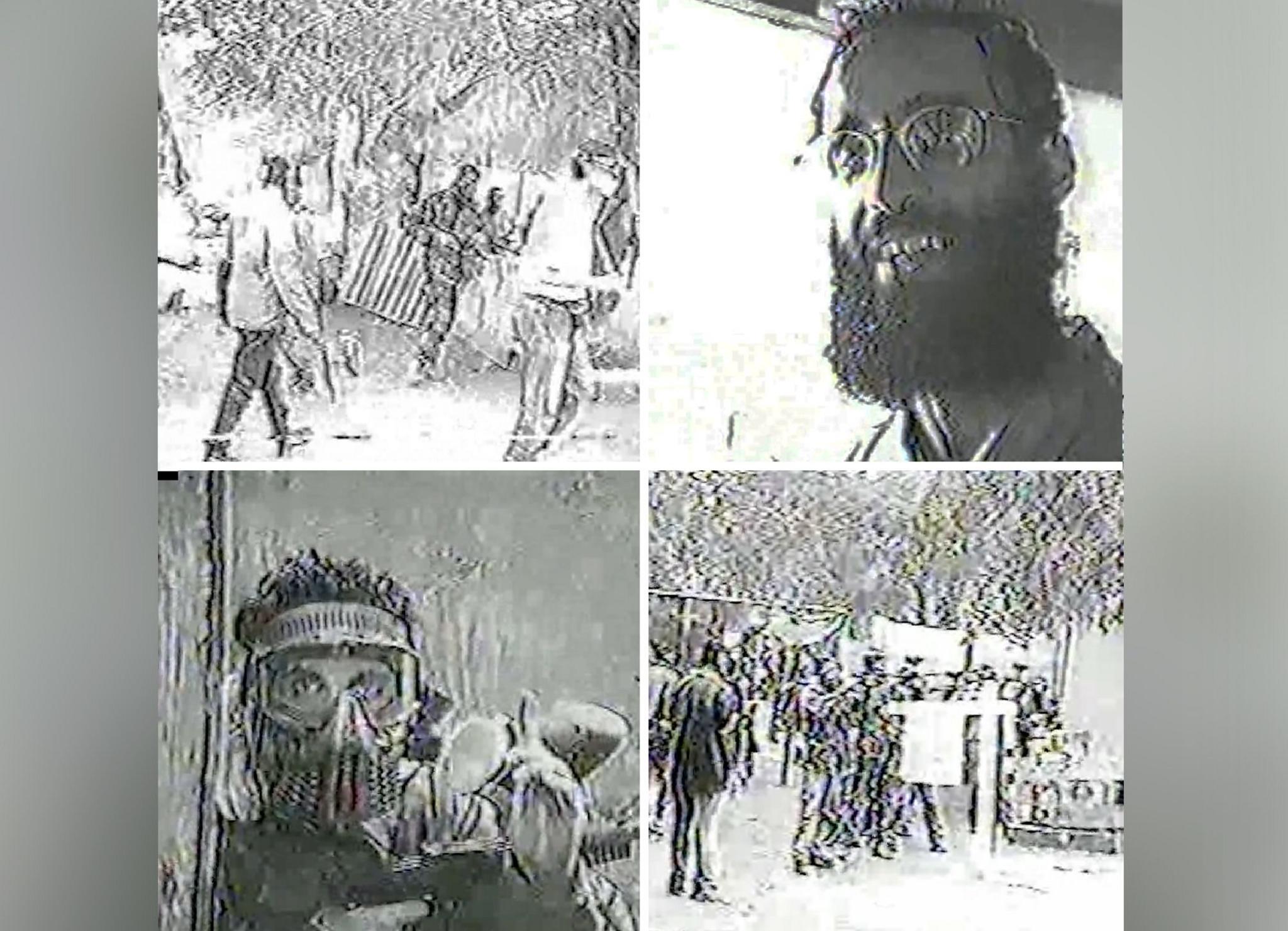
Omar al‑Bayoumi, central to the $1 trillion lawsuit filed by 9/11 families, appears in newly released footage as he embraces a future al‑Awlaki in a paint‑ball session captured in 1998.
The clip, seized by the FBI within days of the attacks, contradicts Bayoumi’s 25‑year denial that he was a Saudi spy or extremist. Subsequent videos also show him meeting with senior officials from the Ministry of Islamic Affairs and trained with the same men who later fought for al‑Awlaki.
In addition to the videos, investigators found a handwritten notebook page in Bayoumi’s Birmingham home detailing a 9/11 airplane descent calculation. The page was couriered to New York for analysis but never shared with the San‑Diego FBI office, which was investigating Bayoumi’s links to the hijackers.
Despite the evidence, the Metropolitan Police and FBI reportedly never brought the diagrams or videos to the questioning detectives. The 9/11 Commission interview of Bayoumi in Riyadh noted he was cleared of extremist views, yet it omitted the paint‑ball footage and plane diagram from consideration.
Later, a former Deputy Director of Counter‑Terrorism at the Justice Department confirmed that the aircraft diagram would have been admissible evidence against Bayoumi, but no charges were filed. The lawsuit’s plaintiffs described the notebook as the ‘smoking gun’ that proves Saudi involvement.
- Bayoumi’s videos were held by the UK police for months before being accessed by U.S. authorities.
- Paintball footage is cited as a training session for jihad by the FBI’s 2002 reports.
- The $1 trillion suit continued after a judge decided the case could proceed in 2018, releasing thousands of documents through an executive order by President Biden.
Both the Saudi government and Bayoumi have refused to comment, maintaining no role in the attacks. The newly public evidence, however, offers fresh context to the long‑inquiet lawsuit and the delayed FBI investigations.