Mass Migration Surge into Ceuta: Triggers and Consequences
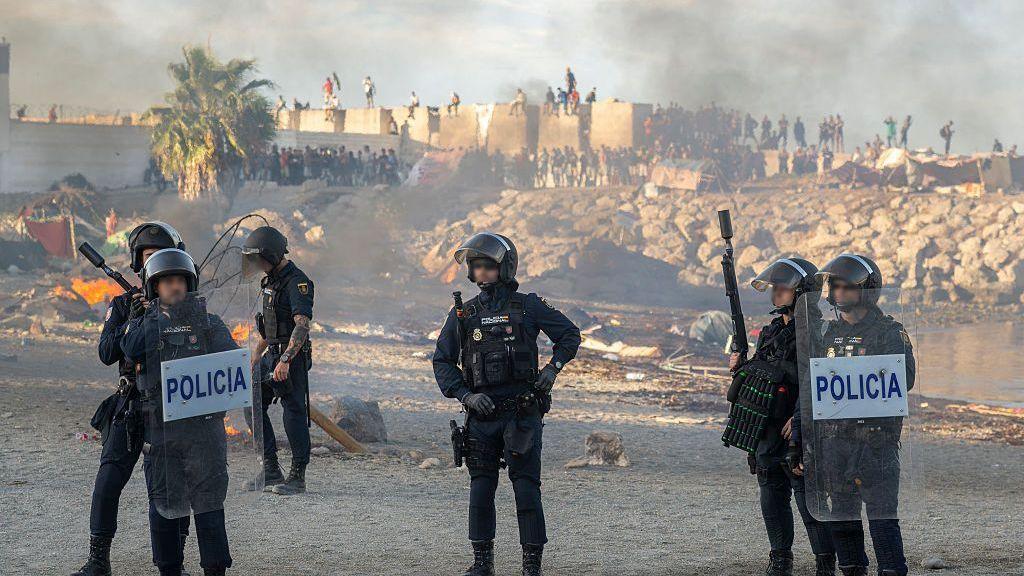
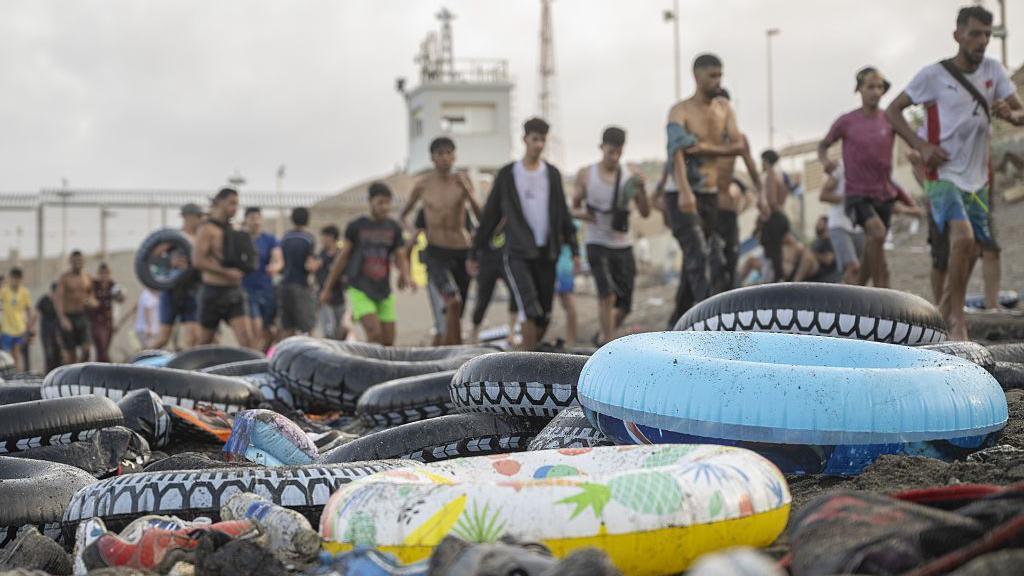
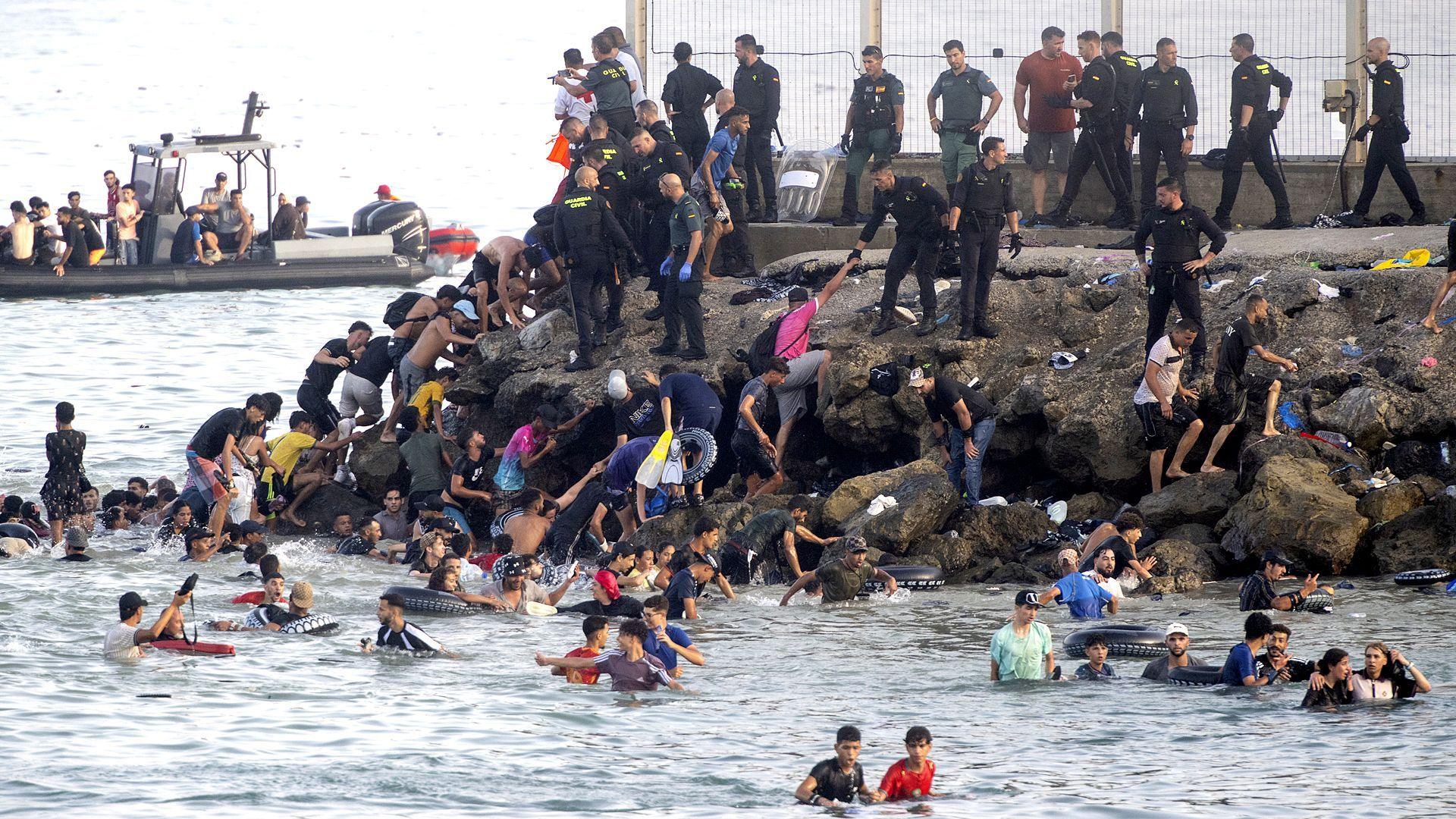
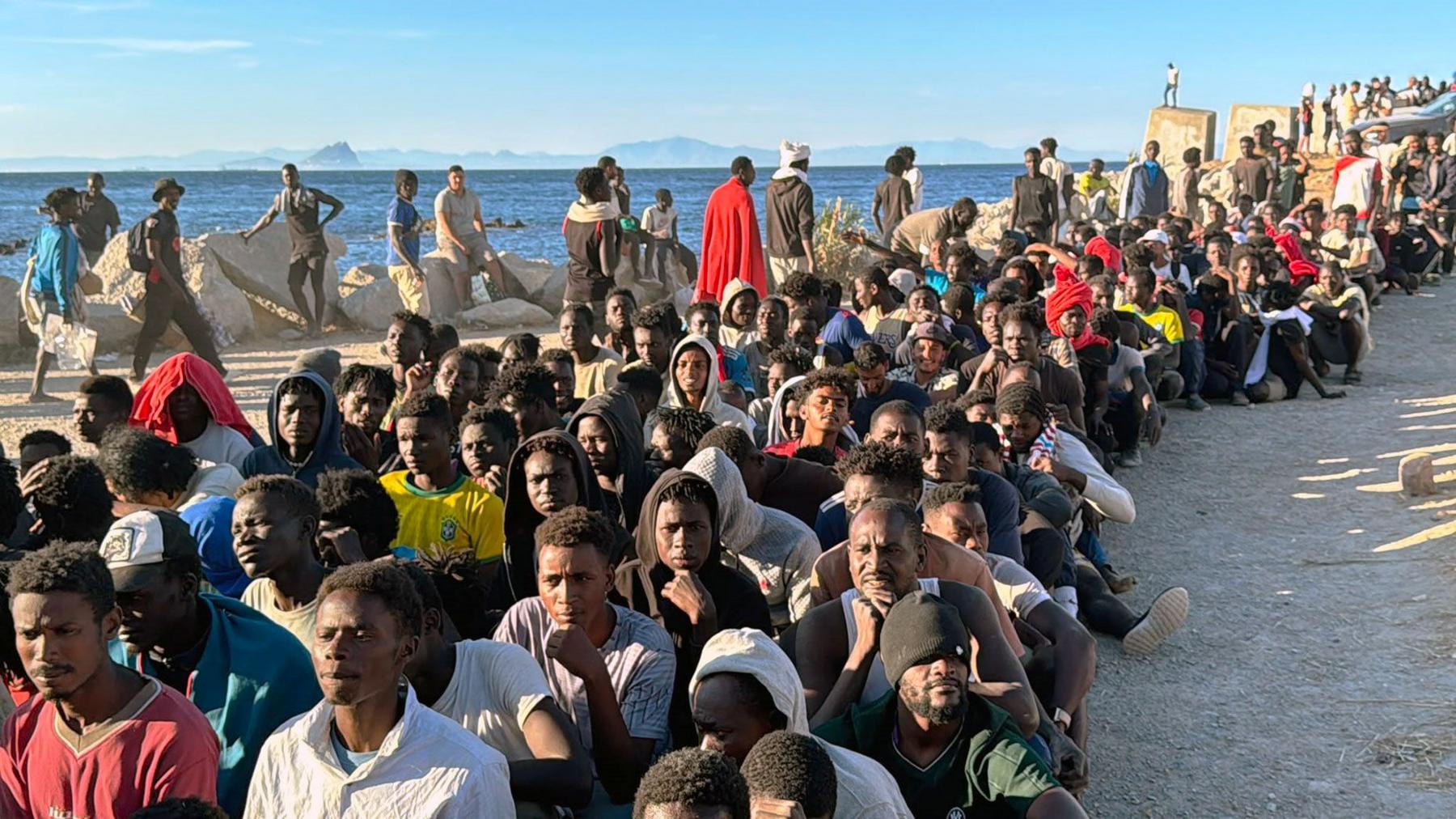
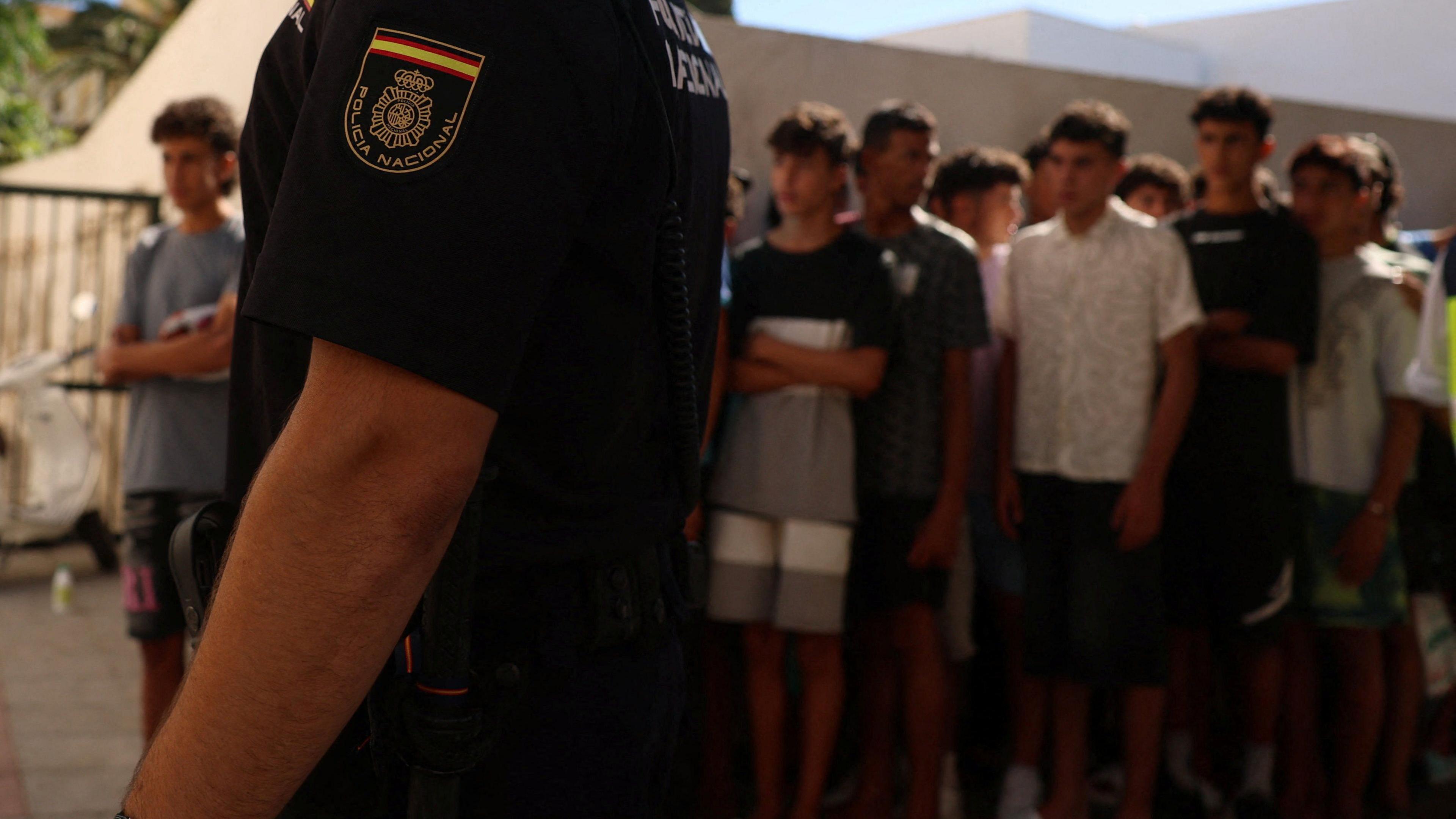
Ceuta, a tiny Spanish enclave on the North African coast, has become the latest flashpoint in the ongoing European migration crisis. In just 24 hours, about 60,000 Moroccan citizens were recorded attempting to cross the borders, a figure that dwarfs the usual daily flow.
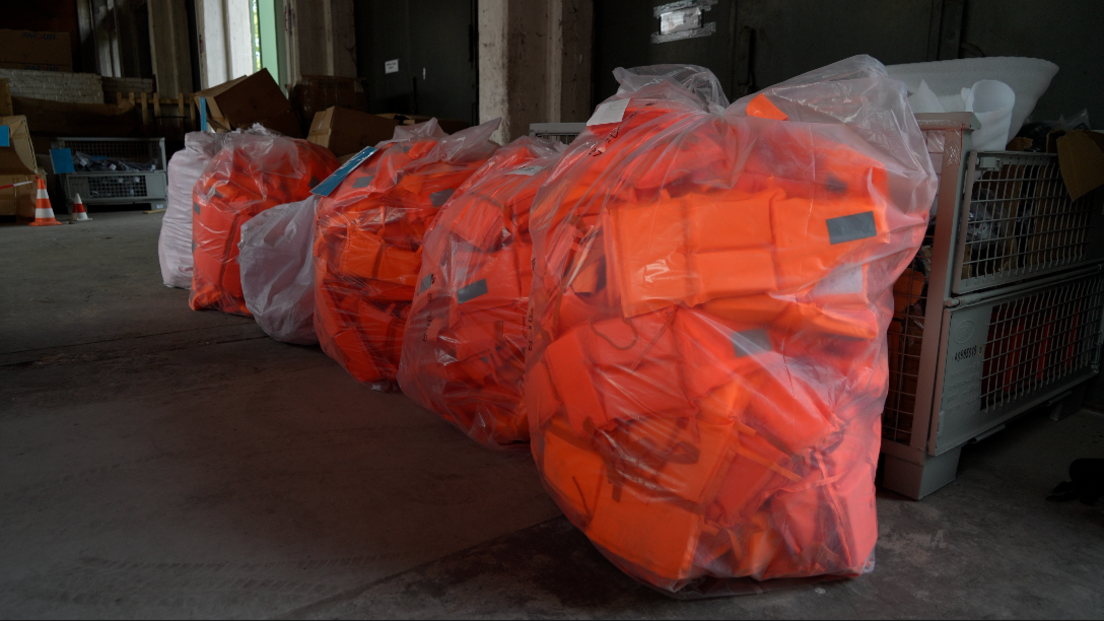
The surge has been accompanied by tragic losses – dozens of migrants perished while fighting for a berth on overcrowded boats or in perilous coastal waters.
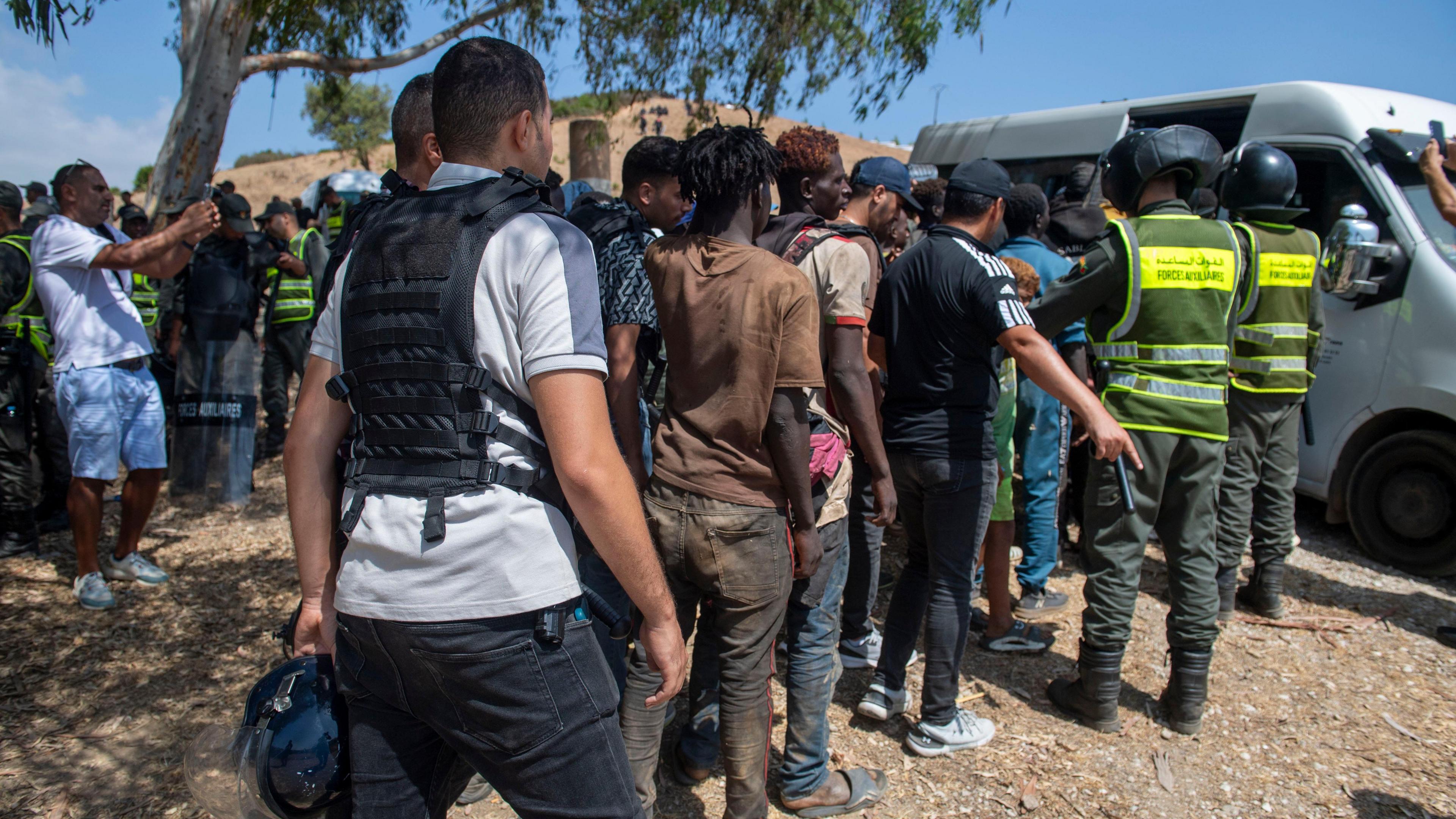
By late Friday evening, Spanish officials confirmed that roughly 48,000 of those who initially entered Ceuta voluntarily returned to Morocco, a move that highlights the transient and often uncertain nature of these crossings.
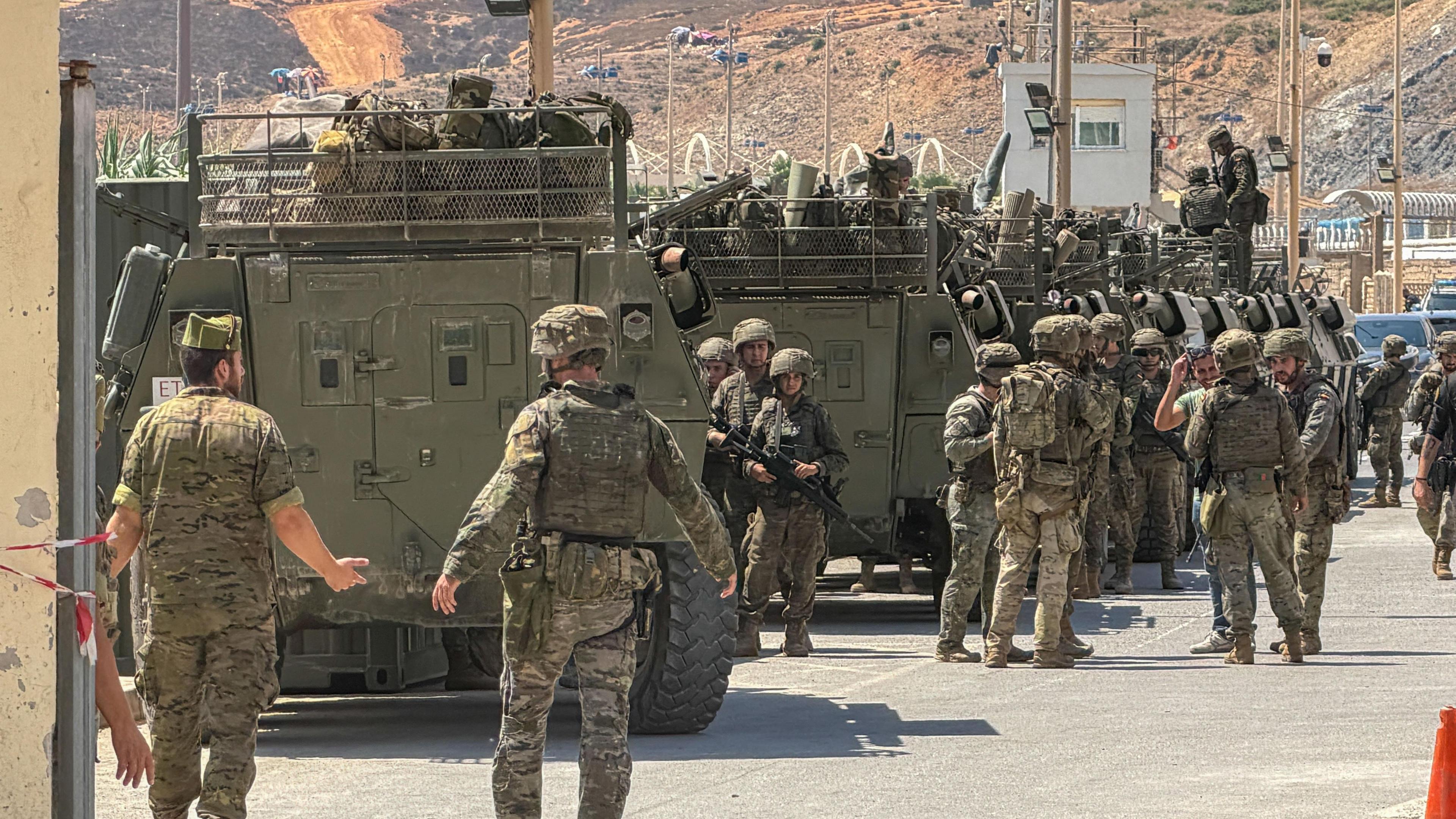
BBC’s Sarah Rainsford explains the potential triggers: a change in enforcement patrols, an easing of maritime restrictions, or broader economic shocks in Morocco. She also outlines the expected response from Spanish authorities, from increased border security to humanitarian aid for those stranded.
The situation remains fluid, but the live coverage shows a stark reminder of the ongoing push‑pull dynamics that keep the migration corridor active between Morocco and Europe.