
In brief
A dispute over bus services to Machu Picchu has resulted in 1,400 tourists being stranded. Consettur, the historic bus provider, is losing its licensing to a rival company, escalating tensions in Aguas Calientes. The local community is concerned about tourism management and revenue distribution, as they seek to improve support for local services.
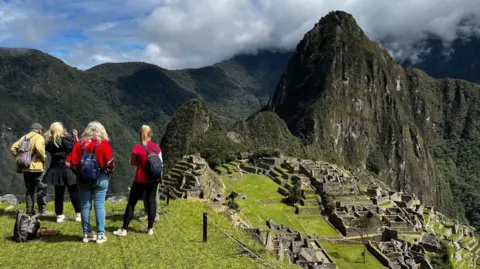
Machu Picchu, the remains of a 15th Century Inca city, is Peru's most popular tourist destination and a UNESCO World Heritage site. Yet a continuing dispute over the buses that transport visitors up to the mountain-top site recently saw 1,400 tourists stranded needing evacuation.
Cristian Alberto Caballero Chacón, head of operations for the bus company Consettur, which has transported around 4,500 people daily to Machu Picchu for over 30 years, acknowledges recent conflicts between local communities.
The tension revolves around Consettur's loss of its license to a rival firm, leading to blocked railway lines and evacuation efforts from Aguas Calientes, the nearest town. Tourists face a tedious journey which involves a train followed by a bus ride for the final ascent to the ancient site.
Local protests have emerged against the perceived lack of transparency in the bidding process for bus services, as Consettur's monopoly is set to transfer to San Antonio de Torontoy, an outer province competitor. Town and regional leaders are pushing for a fairer distribution of tourism revenues, as only a fraction of ticket sales stays within the local community.
Amid these disputes, visitors frequently express frustrations over transport costs and ticketing issues, heightening the call for better local infrastructure and governance to support tourism growth in the region.

