In brief
Former property manager Holly Ratchford admits that Omar al‑Bayoumi, a Saudi resident who moved into her San Diego apartment complex in 1999, facilitated the stay of two future 9/11 hijackers, Nawaf al‑Hazmi and Khalid al‑Mihdhar. Ratchford recalls how she saw Bayoumi inviting the men into his home, arranging their paperwork and even paying their rent. Her testimony has become a pivotal part of the $1 trillion lawsuit brought against Saudi Arabia by the victims' families. The case continues to play out in U.S. courts, raising questions about Saudi state involvement in the attacks.
Landlady’s First‑Hand Account of 9/11 Hijackers
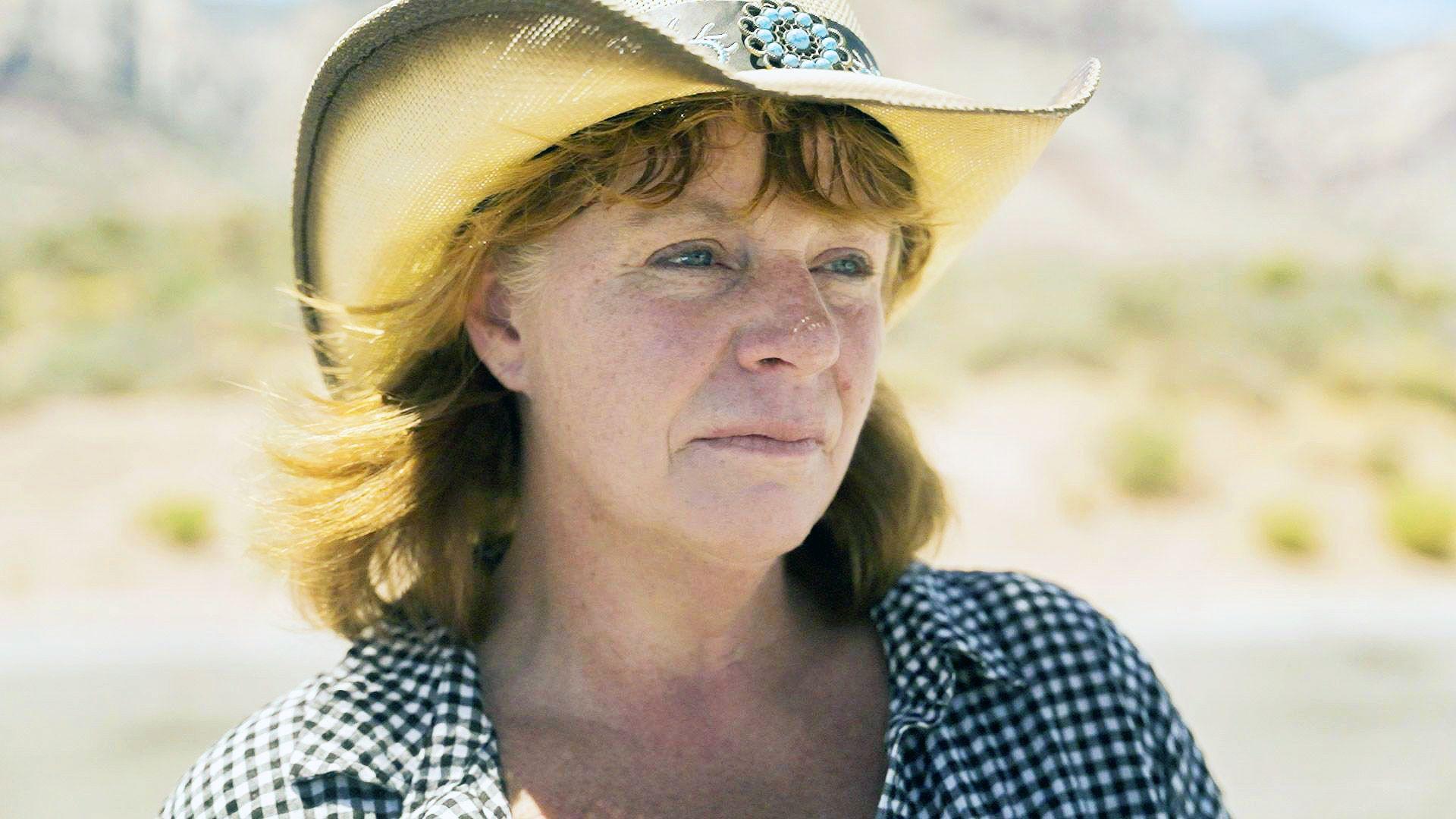
Holly Ratchford, who once managed Parkwood Apartments in suburban San Diego, says she watched a Saudi man build a quiet bridge between ordinary tenants and a pair of men who would become 9/11 hijackers. The man, Omar al‑Bayoumi, arrived in 1999 and quickly became a fixture at the pool parties that Ratchford hosted. He was cheerful and friendly, and his family often brought food to her. He introduced Ratchford to two "plain‑spoken" neighbours from his mosque, during a time when the city’s Islamic community was largely unaware of the plotters’ future.
On 3 February 2000, Bayoumi brought the two men into Ratchford’s office and asked her to help them find lodging. Despite not meeting the usual income criteria, Ratchford’s signature as a guarantor was enough to secure apartments at numbers 152 and 150 Parkwood. The men—later identified as Nawaf al‑Hazmi and Khalid al‑Mihdhar—lived there until the end of May and then departed the city. Ratchford was shocked when a journalist asked her whether she had known who they were after the attacks.
The FBI, triggered by Bayoumi’s connections, collected evidence that he had supplied the hijackers with California driver licences, flight school enrollments, bank accounts and even medical treatment. Over 5000 miles away in Birmingham, England, Bayoumi was detained and questioned. For months he denied knowledge of the attack planners, but later admitted to introducing them to him, helping them settle, and occasionally paying overdue rent. Ratchford’s witness statements were submitted to the United States federal court in New York.
In 2025, a judge in the 9/11 families’ lawsuit found that Bayoumi had acted under Saudi government instructions, a conclusion that has prompted Saudi Arabia to appeal to the U.S. Court of Appeals. The lawsuit, worth an estimated $1 trillion, is anchored in evidence such as Bayoumi’s home videos of campus visits and footage of him filming the U.S. Capitol—an act the court interprets as having a "plan". Ratchford’s narrative provides a human perspective on how ordinary people can be drawn unknowingly into history’s darkest moments.
After the day of terror, Ratchford left Parkwood, moved to the coast, then to a reservation, and finally to a remote western settlement where she keeps a low profile. She says the attacks drove her into a life of isolation and constant scrutiny of others' identities. Yet the lingering questions about Bayoumi’s role and the policy of Saudi involvement continue to haunt her. For Ratchford, the memory is more than a story; it is a reminder of how clear‑cut nerves can break in a few heartbeats.