Japan Amends Imperial Succession Laws, Still Bars Women from Reigning
The Japanese parliament has approved a bill to relax imperial succession rules, amid concerns over the dwindling size of the imperial family. The legislation, passed by the upper house on Friday, allows the imperial family to adopt male relatives over the age of 15 and lets women keep their royal status after marrying outside the family.
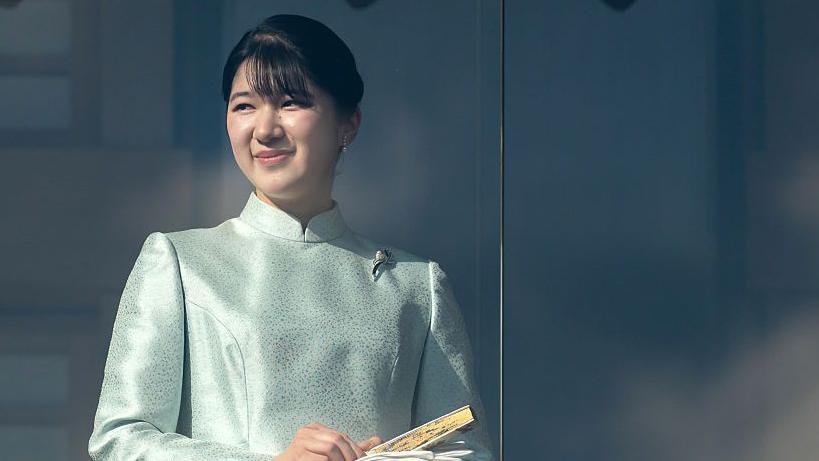
However, it does not change the law barring women from ascending the throne, meaning Princess Aiko, the only child of the current emperor, is still not eligible to succeed the throne.
The bill cleared the lower house last week and will move through final legal procedures before taking effect. Japan’s oldest continuous hereditary monarchy, dating back more than 2,600 years, faces a looming succession crisis as Prince Hisahito, 19, may be the last eligible male heir.
Under the current law, Prince Hisahito must have a male child for the line of succession to continue. The new bill opens the possibility of adopting male descendants from 11 former imperial branches, thus expanding the pool of eligible heirs.
Public opinion polls demonstrate strong support for a female monarch: a June survey by Mainichi Shimbun found that more than 70% of respondents favour a female emperor, while a Kyodo News poll reported an 83% endorsement.
Opponents of allowing women to ascend the throne argue that a male-only succession preserves imperial legitimacy, citing the tradition of male heirs as essential to the monarchy’s continuity. The bill represents the biggest overhaul to Japan's imperial system in decades, while the debate over gender and succession continues to spark national discussion.