
In brief
Israel has issued construction tenders for over 1,200 homes in the contested E1 area east of Jerusalem, a move that would further divide the West Bank and isolate East Jerusalem. The bid deadline falls just days before the nation’s November election, making it likely that any future government will struggle to reverse the decision. The plan, long condemned by the international community, is seen by opponents as erasing the possibility of a two‑state solution. Despite a legal challenge by Bedouin Palestinians and protests from Israeli peace groups, the Housing Ministry has pushed forward the contracts, citing strategic national interests. The project raises concerns about forced evictions of over 40 Bedouin communities and the displacement of Palestinian families.
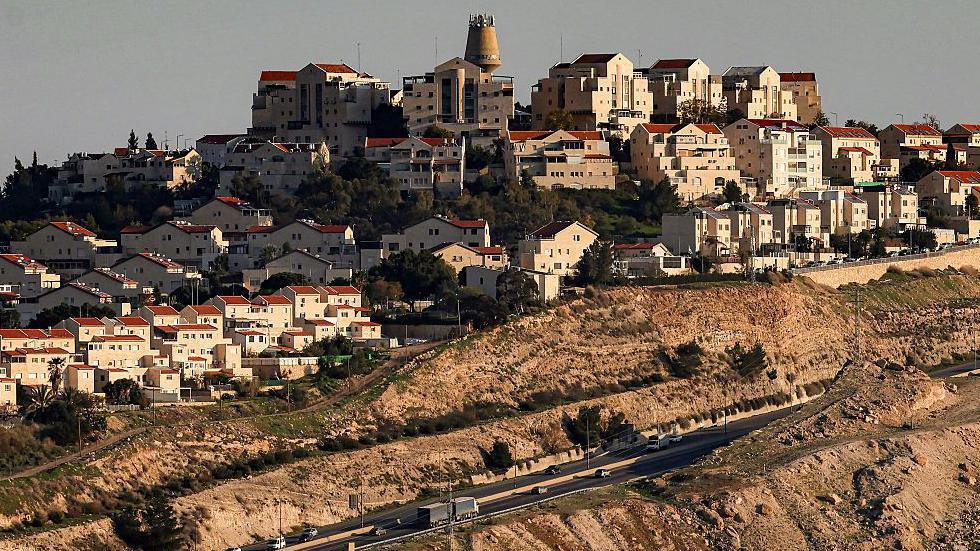
Israel has opened tenders for the construction of some 1,200 settlement homes in the strategically important E1 area east of Jerusalem. The timing of the bids—due 19 October—coincides with the country’s January 27 election, making a future reversal much harder.
The development would effectively bisect the West Bank, isolating East Jerusalem and cutting the north‑south link that underpins any prospective Palestinian state. The plan, criticized by the United Nations and other bodies, bears on the broader conflict and the stalled two‑state dialogue.
Despite a court challenge from Bedouin residents and pressure from Israeli peace groups, the Housing Ministry moved ahead, noting that the government’s “erasure of a Palestinian state” would otherwise be hindered. The E1 project covers about 12 square kilometres between Jerusalem and the settlement of Maale Adumim, and includes 1,234 of the 3,401 units approved last August.
Journalists report that the plan could displace more than 40 Bedouin communities and that Palestinian activists, such as Jamal Juma of the Stop the Wall campaign, describe the construction as “a disaster” that threatens countless families.
International observers also warn that the project would alter the geographic and strategic character of the region, undermining any meaningful peace settlement based on two states.

