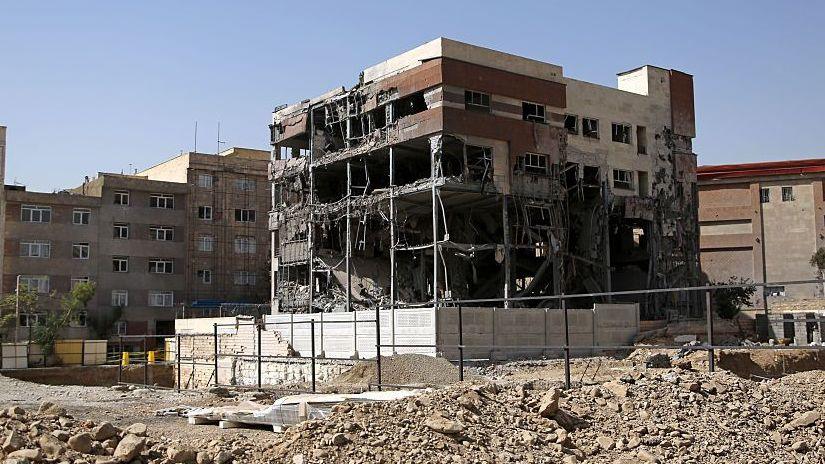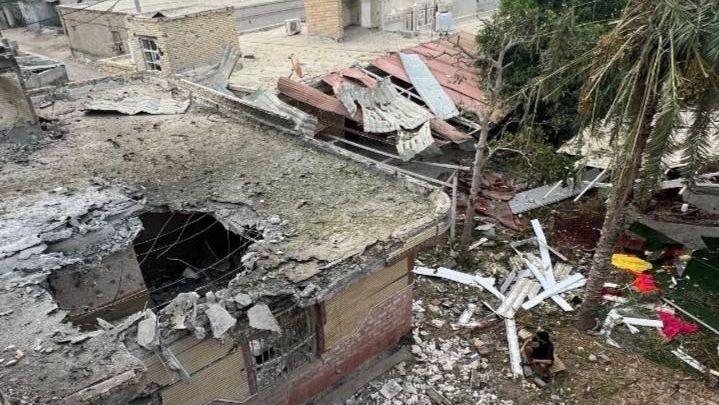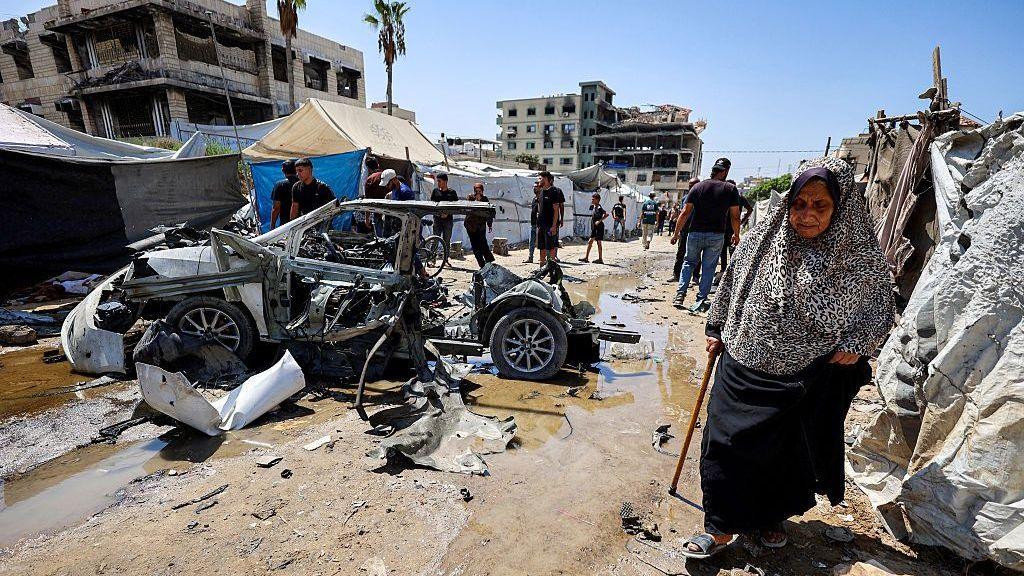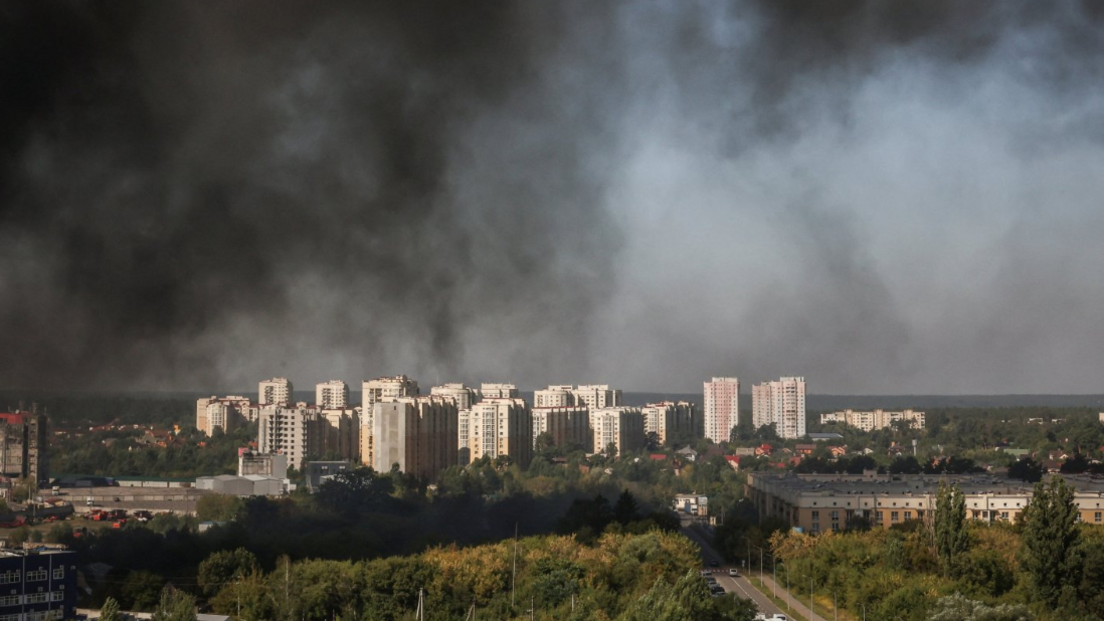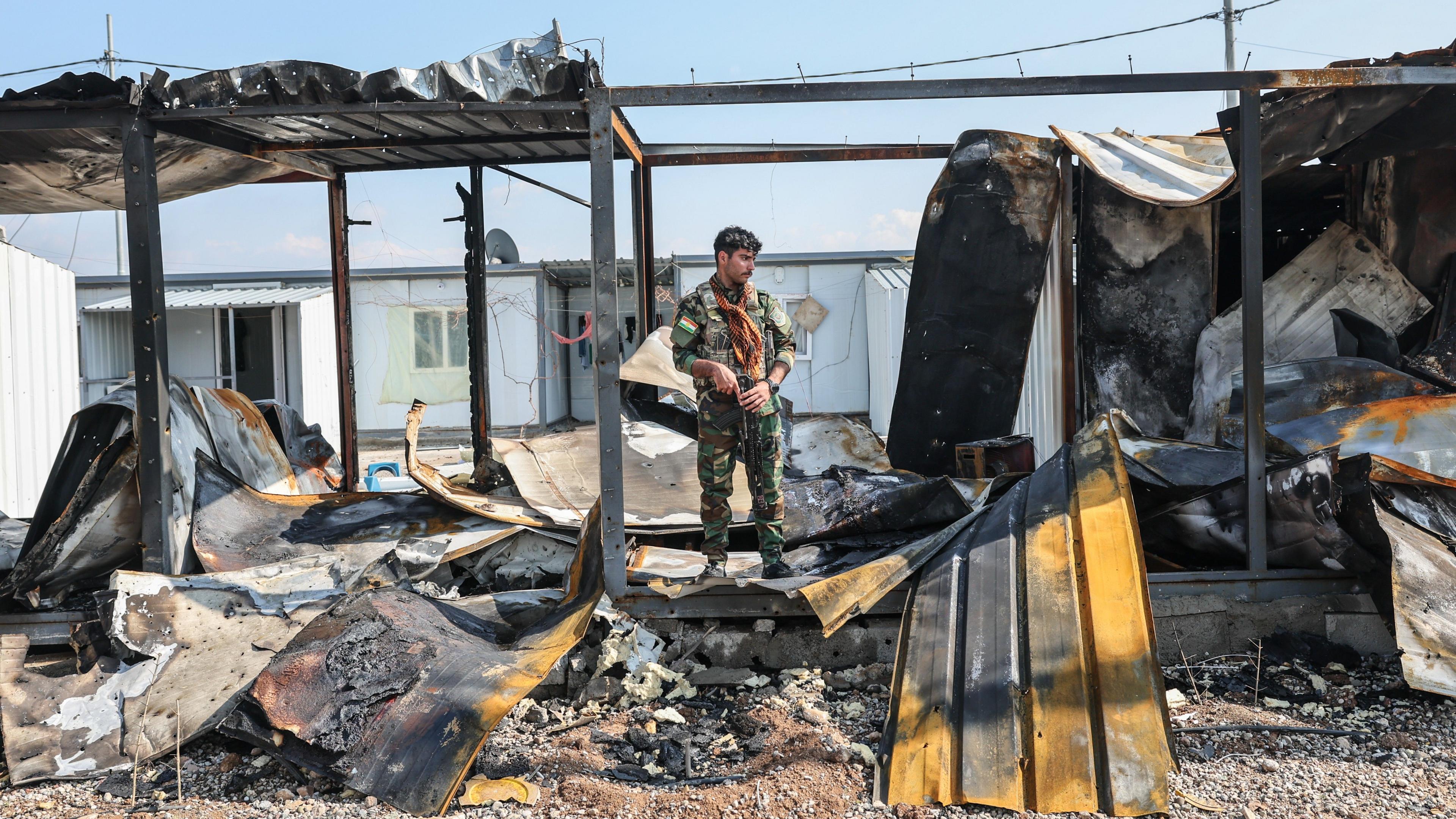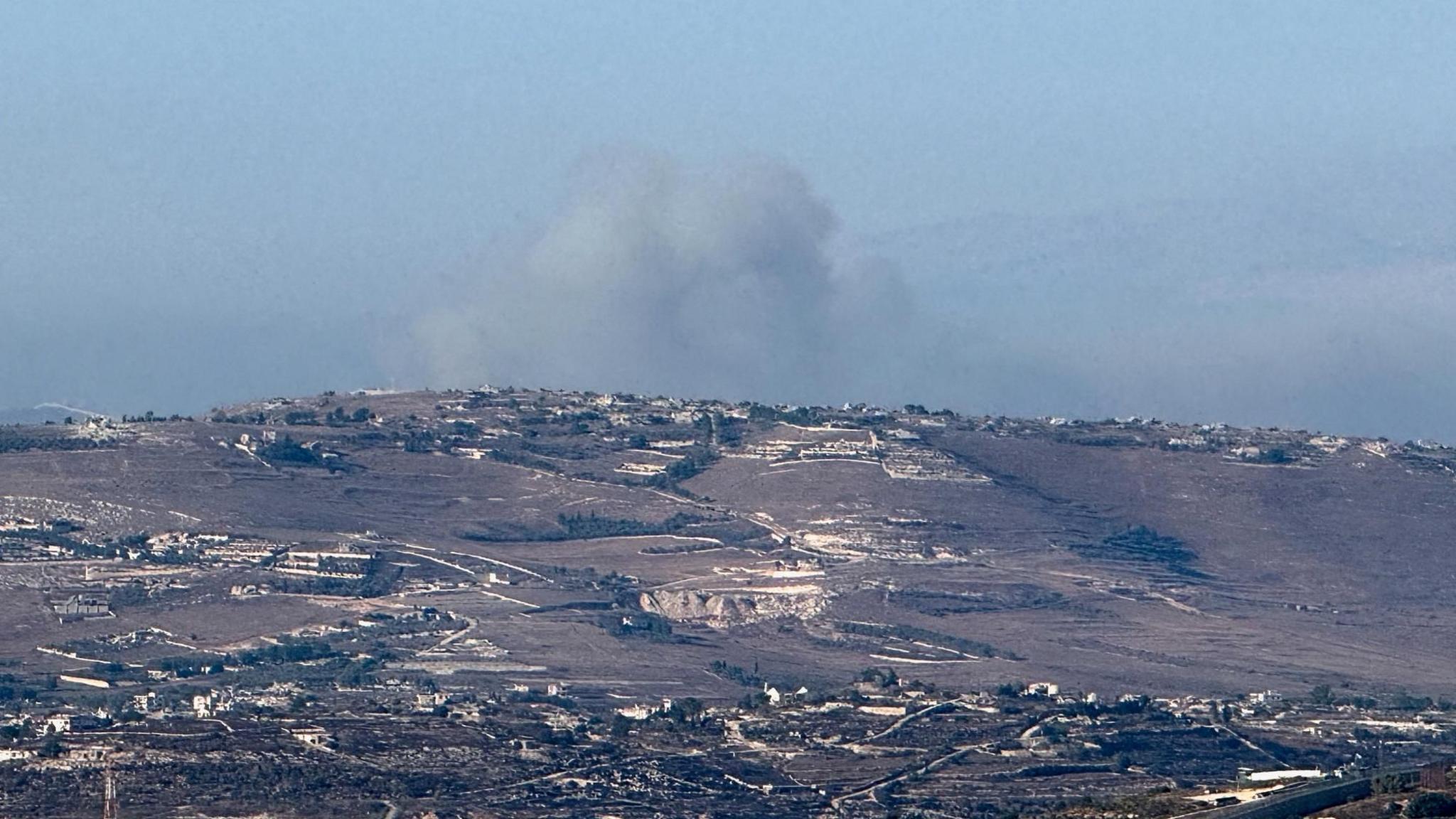
In southern Lebanon, a single civilian died and twelve others were injured when a roof of a prayer hall at Tibnin cemetery was bombed by Israeli aircraft, the Lebanese health ministry confirmed. This event came as Israel’s military cited a “blatant violation of the ceasefire” by Hezbollah, sparking a flare-up that broke a monthly lull in fighting.
A second strike was reported west of Mansouri, prompting the first evacuation directive from Israel in the area since mid‑June. Israeli officials said they were carrying out “precise strikes” and asked residents to leave “in anticipation of forceful action.”
Hezbollah has yet to comment, but the strike underscores tensions as the United States, Lebanon and Israel are engaged in Rome‑based talks aimed at keeping the existing ceasefire. In late June a trilateral framework was adopted: Israeli forces would gradually retreat from occupied Lebanese territory in exchange for Hezbollah’s disarmament, a deal Hezbollah rejected as crossing “all red lines.”
Israeli media reported that displaced families in Mansouri, who had returned after the ceasefire, were re‑evacuated under the Lebanese army’s checkpoint—an activity the army claims violates agreed protocols.
The mayor of Mansouri, Haidar Madihli, recounted damage to four buildings in the Ghazaleh neighbourhood and extensive displacement, with families rushing toward the city of Tyre. He said the town’s population fell from about 120 families post‑ceasefire to only 40‑50 in recent days.
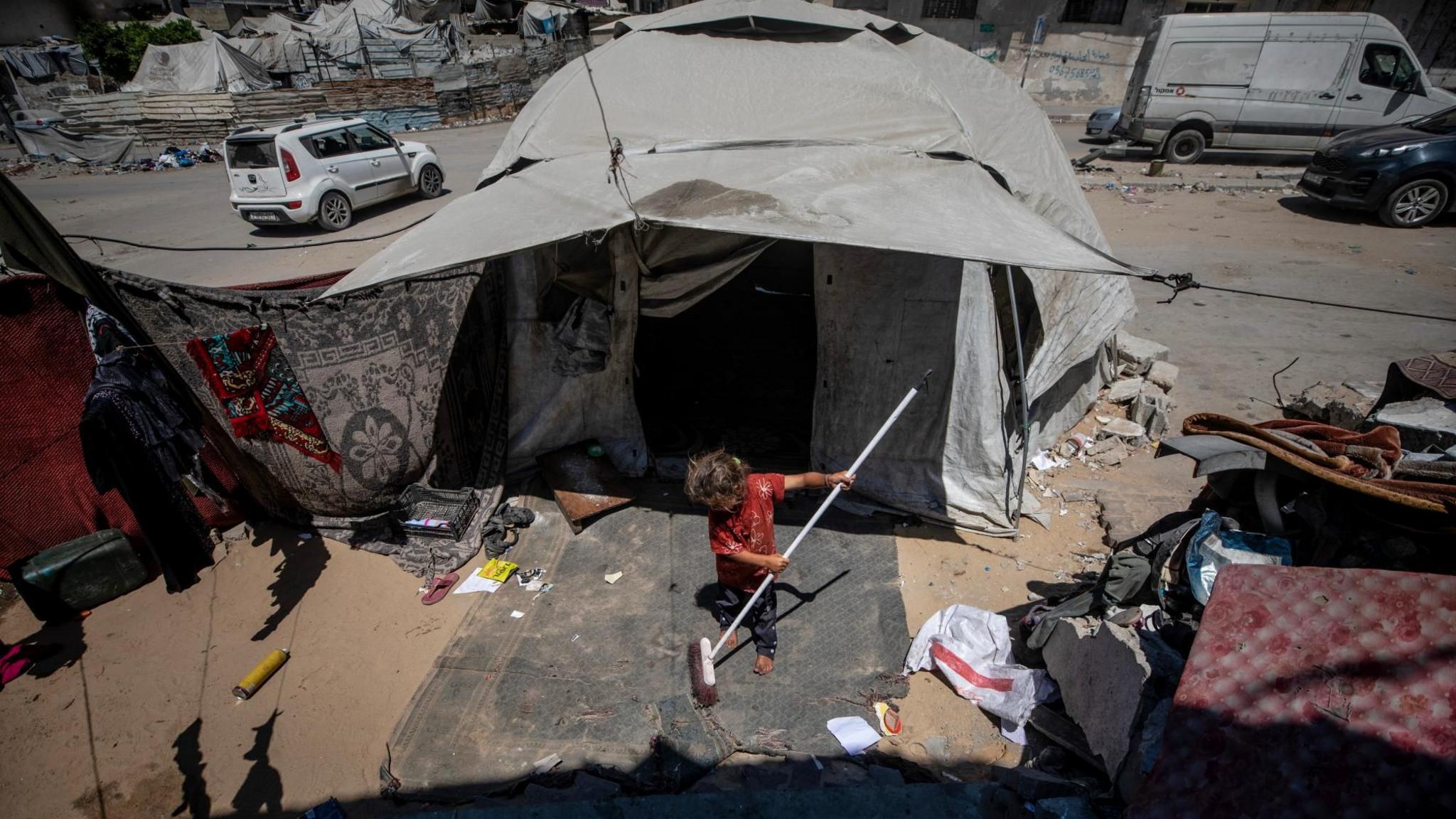
UN humanitarian aid workers noted that roughly 820,000 people displaced by the conflict are beginning to return amid reduced hostilities, yet 360,000 remain in exile or shelter. Since the ceasefire, at least 4,333 people have been killed across the region, with a substantial toll of women and children, while Israel reports 38 soldiers and four civilians dead on both sides.