
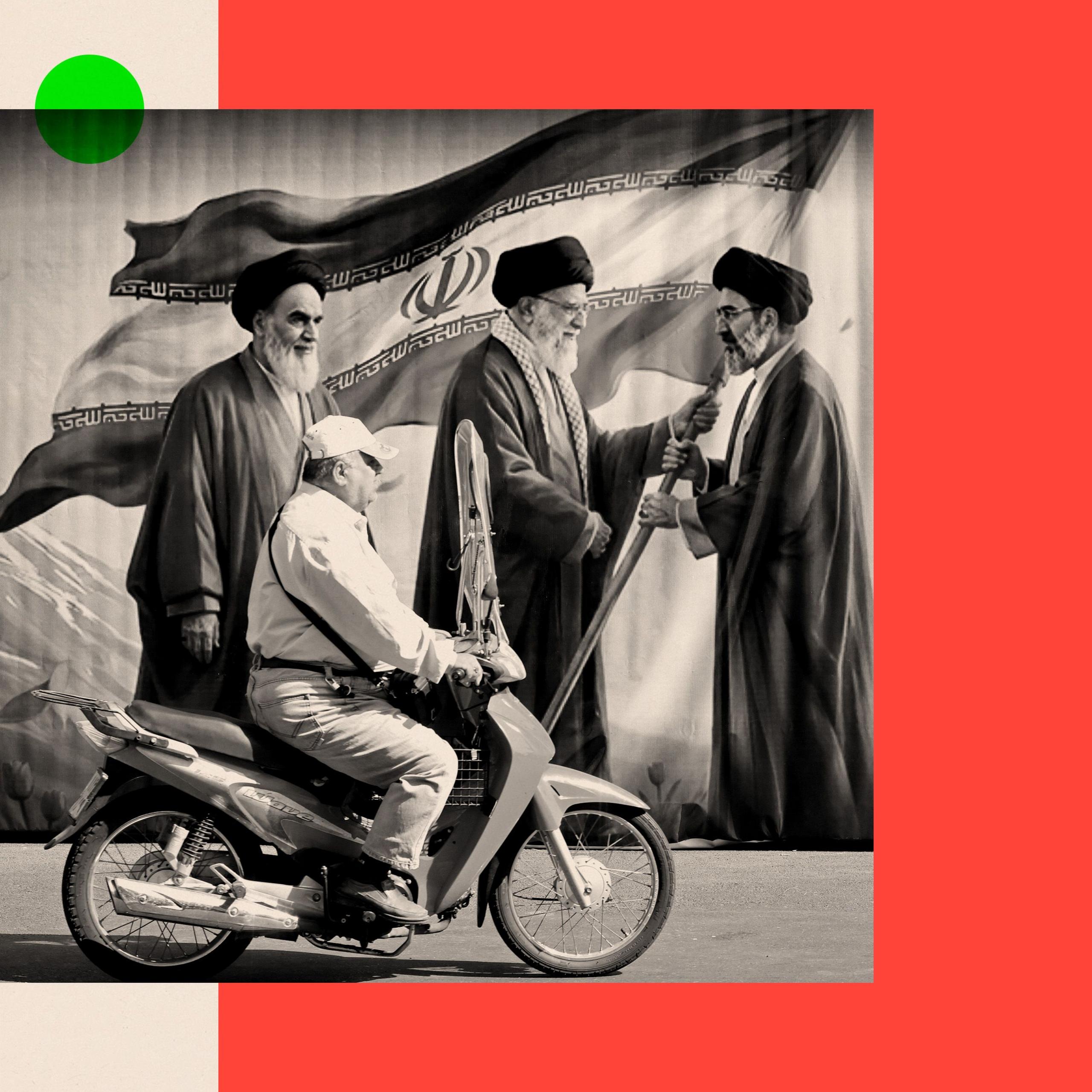
In brief
Following the killing of Supreme Leader Ali Khamenei in early 2024, Iran’s new leadership has begun a gradual shift away from hard‑line rhetoric toward pragmatic governance. The country has signed a cease‑fire memorandum pending in the Palace of Versailles, but the conflict over the Strait of Hormuz remains fragile. With internal dissent fueling protests and a new generation of officials rising, Iran faces the opportunity to rebuild its legitimacy amid shifting regional alliances.
Iran’s new leadership reshapes the region’s future
After the death of long‑time Supreme Leader Ali Khamenei in April, a new generation of Iranian officials has taken the reins. Their arrival has brought a shift from the previously cautious ‘no war, no peace’ stance to a more pragmatic, and at times bolder, approach.
The cease‑fire memorandum signed in the Palace of Versailles—shorter and more concrete than the historic Treaties of Versailles—was signed by President Trump last month. But the agreement is a fragile settlement; hostilities around the Strait of Hormuz continue as Iran has struck U.S. bases and threats to shipping lanes have increased.
Experts say the war has reshuffled the geopolitical balance, turning Iran from a reactive state to a more assertive one. This change matters because the new leaders have a vested interest: they will be the first to negotiate a lasting peace and potentially lift crippling sanctions.
Despite the leaders’ efforts, domestic discontent remains high. The uprising that erupted in January showed a public craving for freedom and economic stability—promises that still remain unfulfilled.
Iran’s newer elite is also re‑examining internal policies. Measures such as relaxing public dress codes outside state institutions and easing alcohol sales signal a shift from old taboos, though the regime’s true priorities appear focused on preserving its governance.
In the end, Iran faces a critical juncture. The success of the new leadership will hinge on its ability to deliver economic relief, secure diplomatic gains, and listen to a vocal public demanding a clearer social contract.

