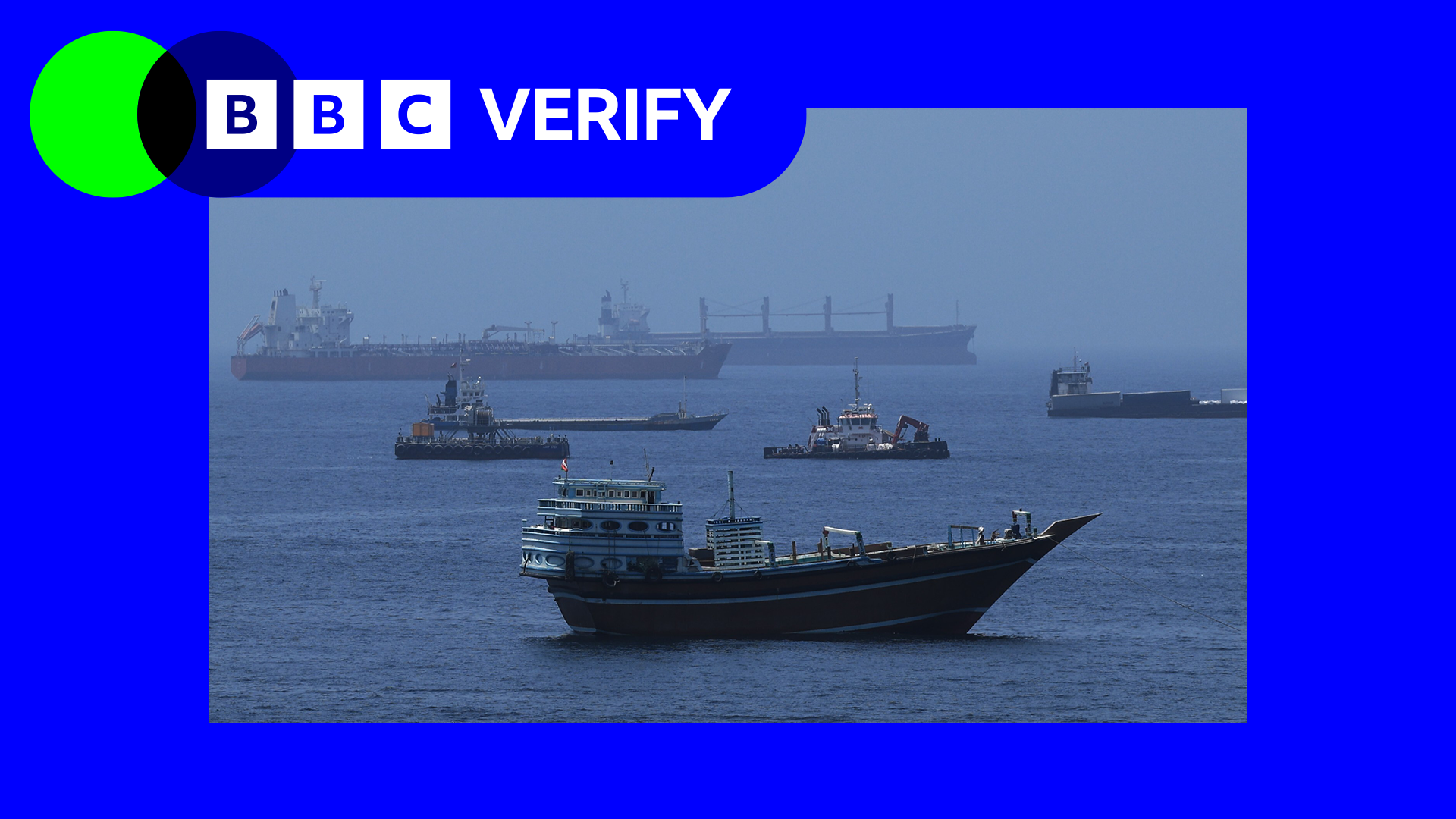
Twenty-one hours was not enough to end 47 years of hostility between Iran and the US. The historic high-level talks in Islamabad, during a pause in weeks of grievous war, were always unlikely to end any other way. Calling this marathon negotiating session a failure belies the scale of the challenge in narrowing wide gaps on complex issues ranging from age-old suspicion about Iran's nuclear programme to new challenges this war has thrown up - most of all Iran's control of the strategic Strait of Hormuz, whose closure is causing economic shocks worldwide.
To do a deal, they also needed to overcome a deep chasm of distrust. A day ago, it wasn't even certain the two sides would meet, and even more, sit down in the same room.
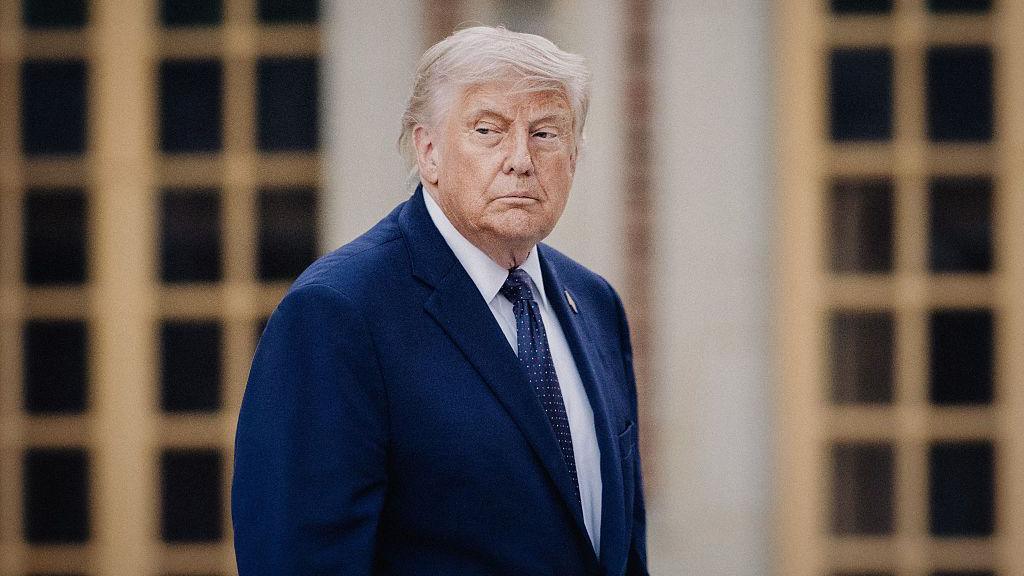
A longstanding political taboo was broken. The urgent question now is: what happens next? What happens to the contested two-week ceasefire which pulled the world back from US President Donald Trump's alarming threat to destroy a whole civilisation in Iran? Would the US president be ready to send his negotiators back to the bargaining table?
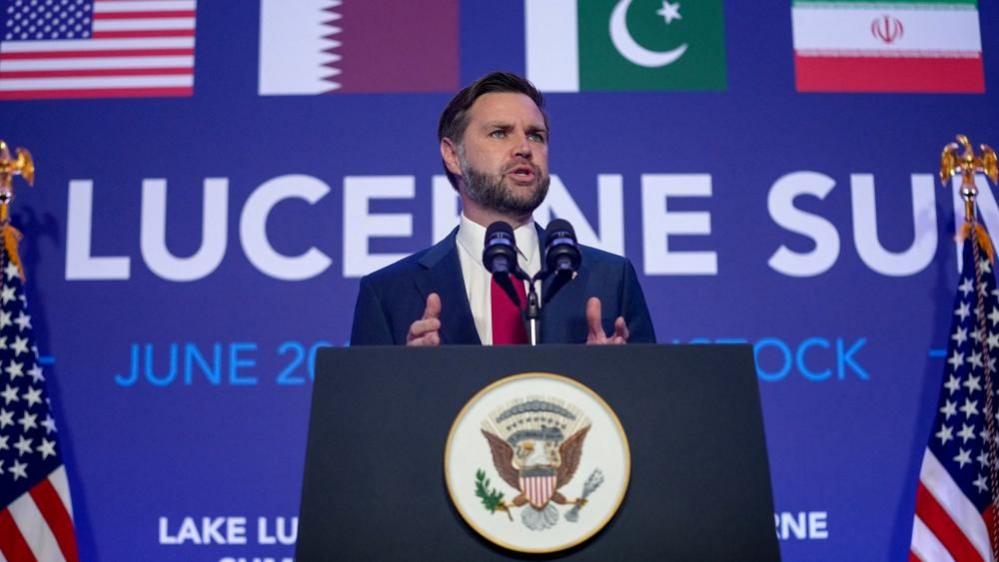
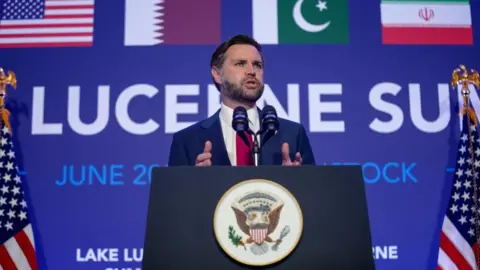
We're hearing reports from sources here in Islamabad that some conversations have continued after US Vice-President JD Vance boarded his plane at sunrise, declaring the US delegation had made their final and best offer. Will the US now escalate or negotiate?
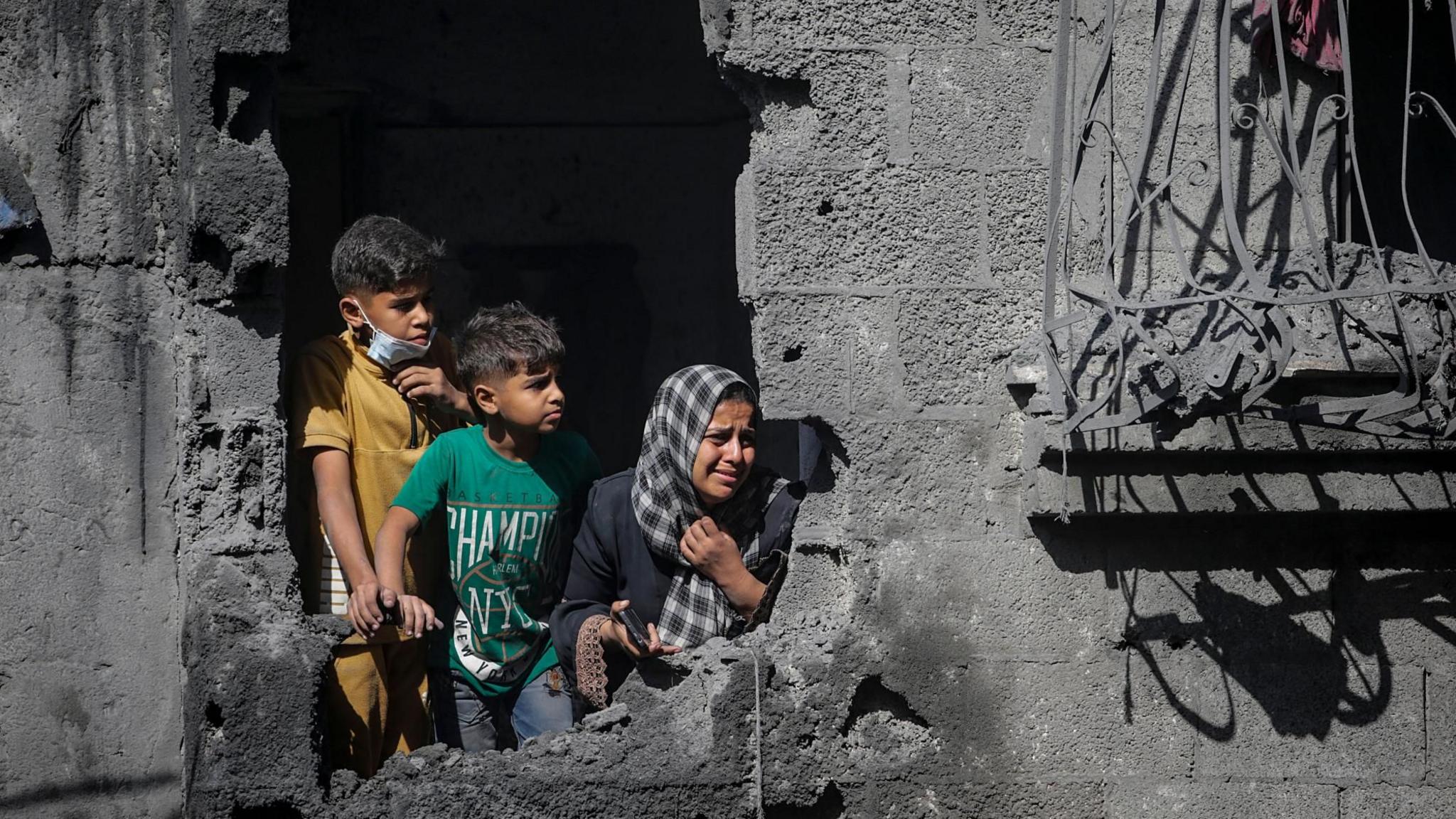
Both the US and the Iranian delegations came to Islamabad emboldened by their belief that theirs was the winning side in this war. And they engaged knowing that, if they failed, there was the option to keep fighting – whatever the spiralling pain for their own people and a world reeling from the cost of this conflagration.
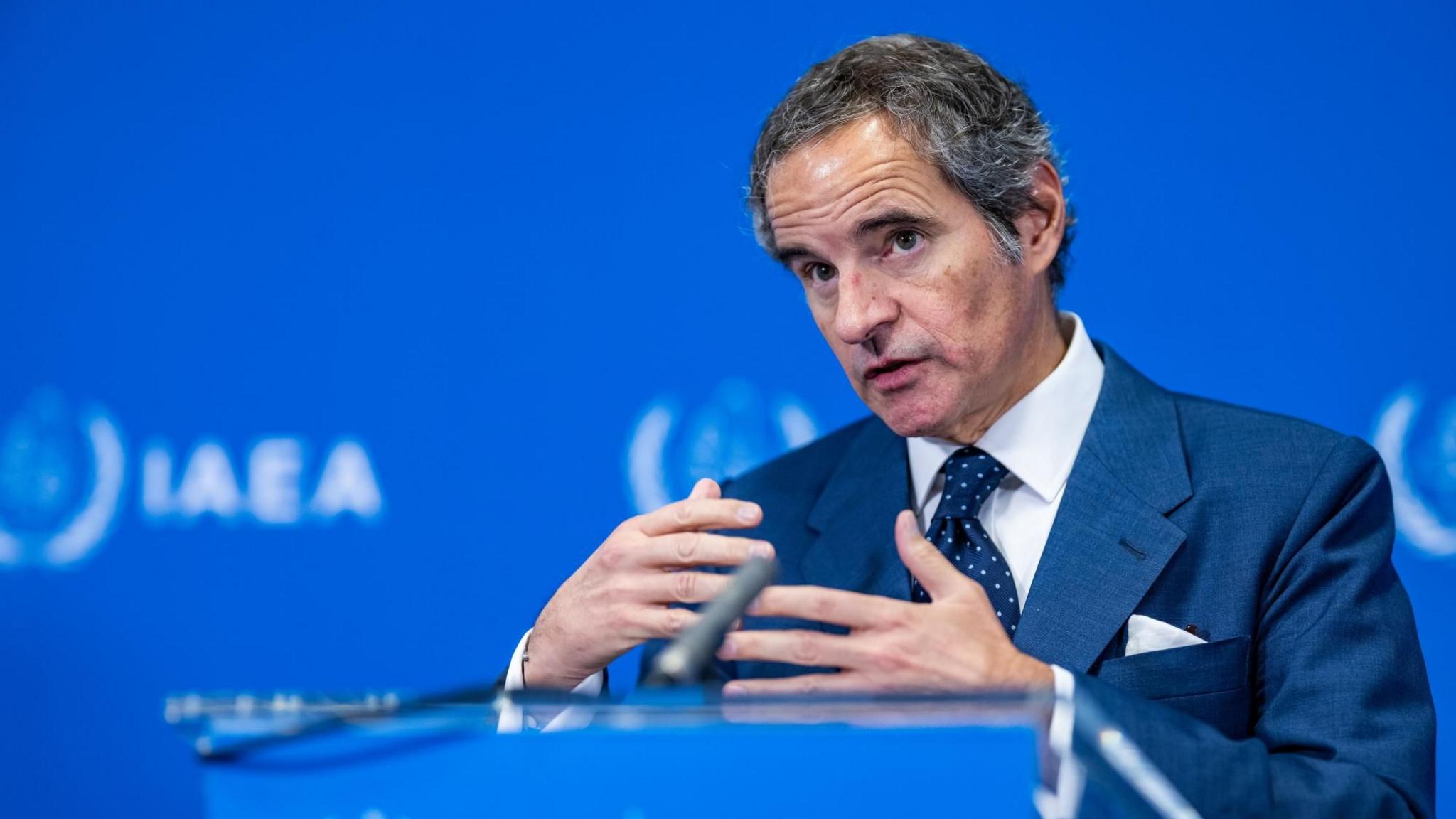
The vice-president spoke of the core goal of the US during his brief dawn news conference, emphasizing the need for an affirmative commitment from Iran that it would not seek a nuclear weapon.
In the aftermath of the talks, doubts lingered about Iran's willingness to open the Strait of Hormuz and comply with US conditions. Iranian officials criticized the US for its excessive demands and indicated their readiness to continue discussions. The situation remains fluid, with the international community watching closely as President Trump contemplates his next move.
To do a deal, they also needed to overcome a deep chasm of distrust. A day ago, it wasn't even certain the two sides would meet, and even more, sit down in the same room.
A longstanding political taboo was broken. The urgent question now is: what happens next? What happens to the contested two-week ceasefire which pulled the world back from US President Donald Trump's alarming threat to destroy a whole civilisation in Iran? Would the US president be ready to send his negotiators back to the bargaining table?
We're hearing reports from sources here in Islamabad that some conversations have continued after US Vice-President JD Vance boarded his plane at sunrise, declaring the US delegation had made their final and best offer. Will the US now escalate or negotiate?
Both the US and the Iranian delegations came to Islamabad emboldened by their belief that theirs was the winning side in this war. And they engaged knowing that, if they failed, there was the option to keep fighting – whatever the spiralling pain for their own people and a world reeling from the cost of this conflagration.
The vice-president spoke of the core goal of the US during his brief dawn news conference, emphasizing the need for an affirmative commitment from Iran that it would not seek a nuclear weapon.
In the aftermath of the talks, doubts lingered about Iran's willingness to open the Strait of Hormuz and comply with US conditions. Iranian officials criticized the US for its excessive demands and indicated their readiness to continue discussions. The situation remains fluid, with the international community watching closely as President Trump contemplates his next move.