Indonesian babies trafficked to Singapore: what happens now?
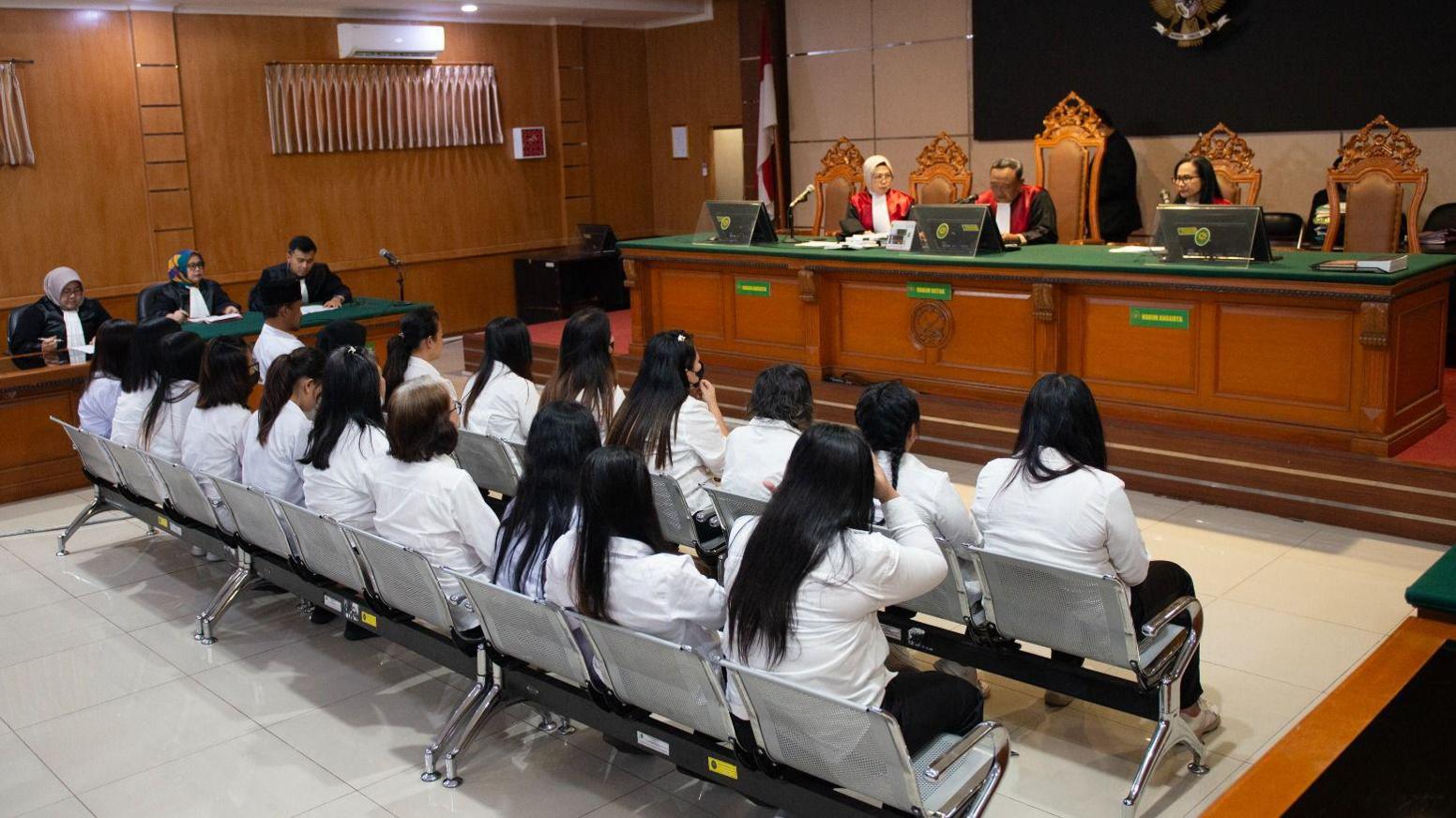
On Tuesday an Indonesian court convicted 19 people for baby trafficking, closing a high‑profile case that still leaves a critical question unanswered. The ring had obtained at least 34 babies and sold them for adoptions, with 12 believed to have been sent to Singapore.
The verdict has drawn attention from both countries. Adoptive parents in Singapore have been waiting for a decision about the fate of their children. Singapore’s unnamed father, speaking to the BBC, said, “Since the case is concluded, how can we move on and what will happen to our son? It’s been almost a year of fear.” He hopes authorities can decide in the best interests of the children and their families.
Indonesia’s foreign affairs ministry said several aspects required review, including the children’s legal status and the identities of their biological parents. It stressed the priority of the children’s best interests. Singaporean authorities have yet to reply to further questions.
Child‑rights activists in Indonesia argue the babies should be returned to their biological parents because trafficking victims must be returned. Ai Maryanti, commissioner of the country’s child protection commission, explained that the babies’ true identities remain unestablished, and therefore “the best interests have not been fully considered.” She noted that even if the babies are adopted in Singapore, the presence of fraudulent birth certificates and false family cards raises doubts about the legality of the adoptions.
Revoke adoption orders in Singapore would be unprecedented. Lawyers said they had never heard of a case where an adoption order was withdrawn. Derek Choo of a Singapore law firm noted that “adoption orders are generally treated as final.” Lim Fung Peen, a consultant, said courts would weigh the child’s psychological impact, the length of stay in Singapore, the conditions if returned, and the validity of the original adoption basis.
Indonesian authorities have not identified all the children’s birth parents, and some babies may have no one to return to. Those children could be placed into state care. At least eight other babies rescued from the trafficking ring are already in a Bandung orphanage. If returned, they should have the right to know their biological parents; otherwise, staying in Singapore may be better for their psychological stability.
David, a Singaporean adoptive parent, expressed “the hope that this matter can now be brought to a resolution.” He and his wife want “a normal family life, a safe, stable, and loving home” for their child. The case underscores the need for more robust cross‑border adoption checks and clearer legal pathways for trafficked infants.