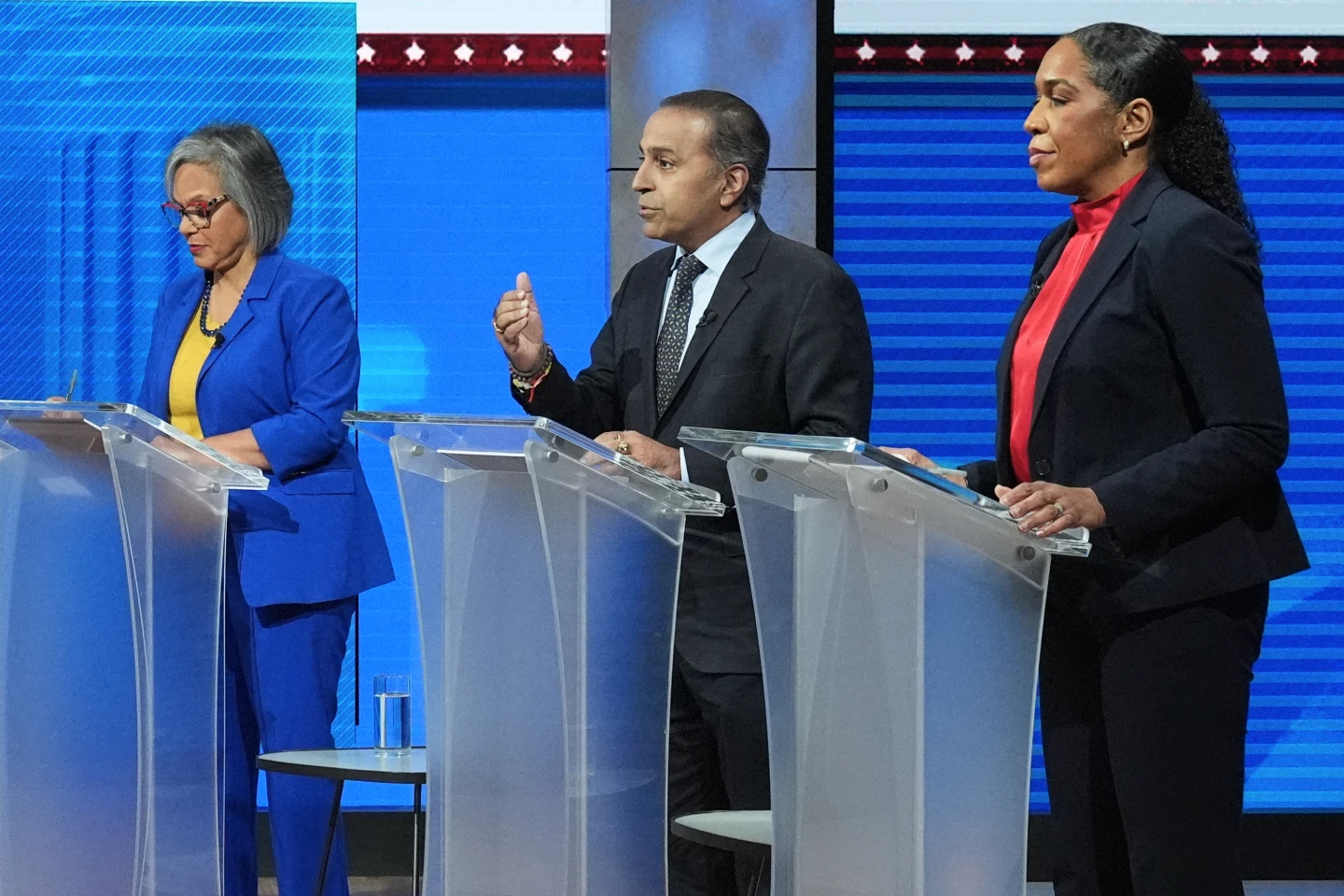
Illinois voters are gearing up for crucial primary elections that will determine candidates for six open U.S. House and Senate seats. Notably, the retirement of long-serving Senator Dick Durbin has stirred a competitive race in a state dominated by Democrats.
The Senator’s departure has opened the door for multiple candidates, including prominent figures like U.S. Representatives Raja Krishnamoorthi and Robin Kelly, and Lieutenant Governor Juliana Stratton. Each candidate is keen on claiming the Democratic nomination, intensifying the political battleground across Illinois.
Initial fundraising efforts have showcased Krishnamoorthi's robustness, who managed to accumulate over $15 million, significantly outpacing his opponents. Meanwhile, Stratton has received a substantial boost with a $5 million investment in a super PAC from Governor J.B. Pritzker, who is also positioning himself as a significant Democratic player potentially eyeing the 2028 presidential election.
The stakes for these races are notably high as the winners in this Democratic bastion are anticipated to secure victory in the upcoming November elections. Furthermore, external influences, including financial support from organizations such as the American Israel Public Affairs Committee, have further complicated the landscape.
A deeper look into the Democratic primaries reveals sharp competition and contrasting campaign strategies. Krishnamoorthi advocates for progressive changes but has faced scrutiny for his past donations, while Stratton emphasizes her potential to challenge the Republican agenda, referencing her outspoken stance against ICE operations.
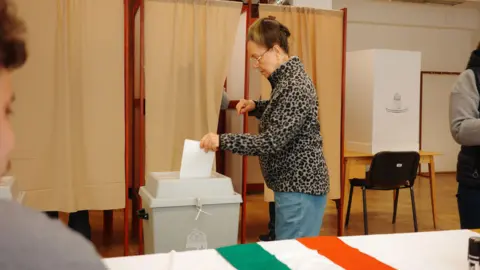
The Illinois primary elections aim to invigorate engagement among voters. Following a record low turnout of just 19% in the previous primary, officials are optimistic about increased participation this year. Early voting trends suggest that key issues like healthcare and public safety are influencing decisions among constituents.
In addition to the Senate race, crowded primaries are also unfolding for five open House seats, with candidates racing for endorsements and financial backing, underscoring a critical shift in power within Illinois politics.