Iceland’s Narrow Referendum to Reopen EU Talks Draws Close Split

Latest opinion polls have been so close that the result is impossible to call.
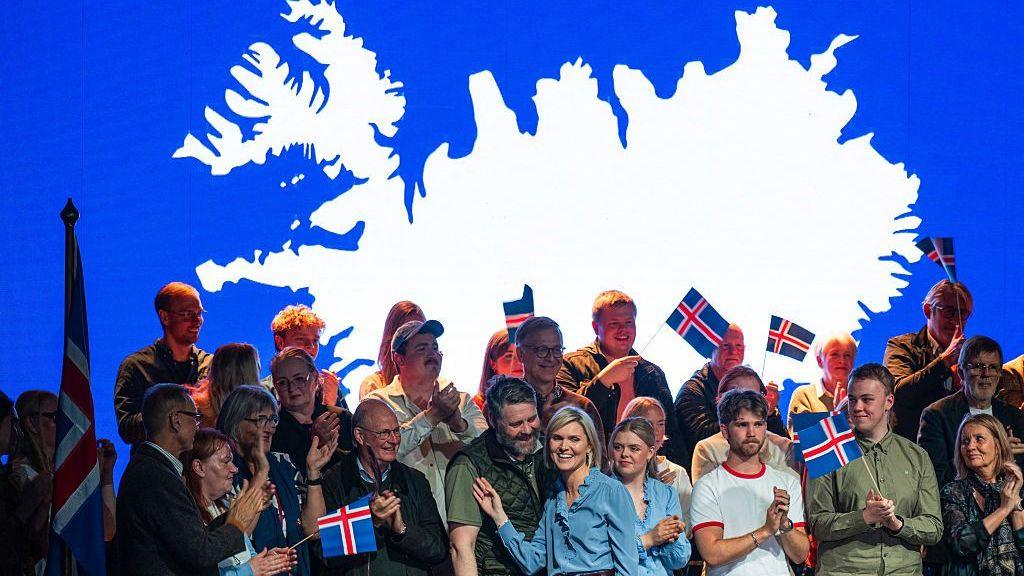
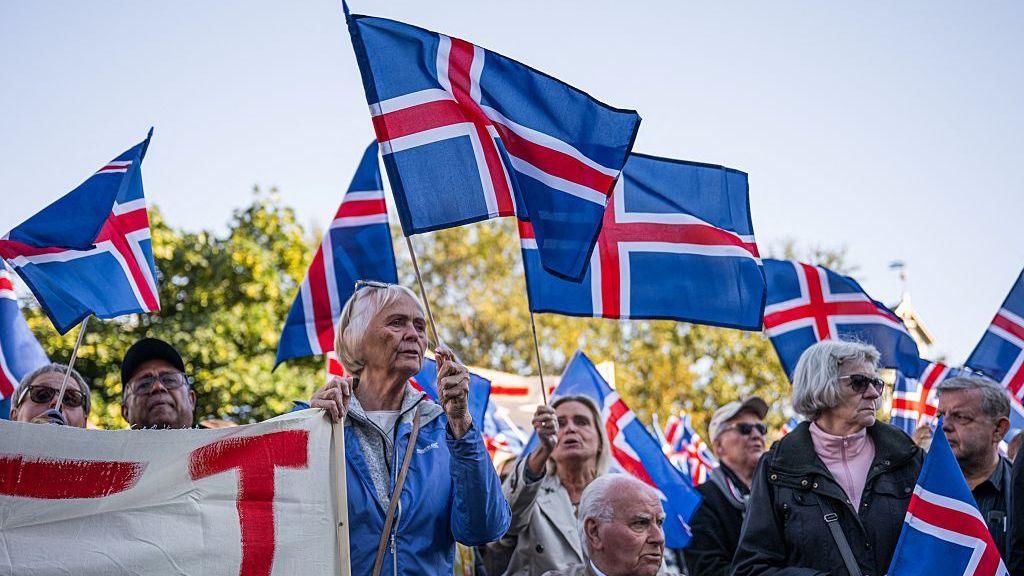
Icelanders are voting in a referendum on whether to resume talks for EU membership, 13 years after the country halted the process. The latest poll puts the ‘No’ campaign ahead by 51.6%, but earlier figures had favoured the ‘Yes’ side, signalling a razor‑thin margin.
The centrist government, led by Prime Minister Kristrún Frostadóttir, had already planned a referendum but accelerated it in response to turbulent international affairs. The debate has focused more on fishing and sovereignty than Iceland’s security, which remains anchored to NATO and a long‑standing bilateral US defence pact.
Iceland already participates in the EU’s single market and Schengen area as part of the European Economic Area, but EU membership would bring it into the customs union and eventually adopt the euro.
The ballot question asks, “Should Iceland resume accession negotiations with the European Union?” A Yes vote would simply trigger a move toward an accession agreement – it would not be a final step to EU membership. A second referendum, parliamentary approval, and a constitutional amendment would still be required.
Key issues shaping the campaign include:
- Control over fisheries: Nearly 40% of Iceland’s exports come from marine resources, and the EU’s Common Fisheries Policy would reduce national sovereignty over these fisheries.
- Economic benefits: The Yes side argues that EU membership would lower high interest rates and inflation, while the No side fears the loss of exclusive control over fishing grounds.
- Security concerns: Iceland has no standing army; its defence relies on NATO and a US agreement. The No campaign maintains that EU membership is not a substitute for NATO.
Voting will run from 09:00 to 22:00 GMT on Saturday, with results expected early Sunday. More than 20% of the electorate had already voted in early‑voting polls; the final count remains undecided.
In a televised debate two days before the vote, Prime Minister Frostadóttir defended Iceland’s deep EU integration and said a Yes vote would reduce risk, while opposition leader Guðrún Hafsteinsdóttir emphasised handing decision‑making powers to Brussels on natural resources. Experts note that the campaign’s central focus is on fisheries, a legacy of Cold‑War era “Cod Wars” with the United Kingdom.
As Iceland awaits its fate, the referendum promises to examine the balance between economic opportunity and national control, with the future of EU accession hanging in the balance.