In a slimly‑divided vote that could swing the future of Iceland, the nation is casting ballots Saturday to decide whether to restart talks on joining the European Union. The question on the ballot simply asks: ‘Should Iceland resume accession negotiations with the European Union?’ With Iceland already part of the EU’s single market and Schengen zone through the European Economic Area agreement, full membership would bring it into the customs union and the euro.
Last week’s polling put the “No” campaign ahead with 51.6 % to the “Yes” side’s 48.4 %. The early results, released before the end of voting at 22:00 GMT, suggest a statistical edge that could carry the day‑early result, but the margin is razor thin. The referendum is not a final commitment to the EU; a Yes vote would only signal a move toward negotiations and would still require approval by a second referendum, parliament and a constitutional amendment.
For many Icelanders, sovereignty remains a critical issue. Fisheries—half of Iceland’s exports—are at stake. The “No” side argues that EU membership could erode control over the country’s fishing grounds under the Common Fisheries Policy, while the EU has hinted at possible exemptions. These concerns echo the Cod Wars of the 1970s, a time when Iceland’s fishing rights were contested with the United Kingdom.
Security is a second key point. Iceland is a founding member of NATO but has no standing army and relies on a 1951 US defence agreement. The EU’s partnership did not replace that arrangement, and the “No” campaign stresses that EU membership is not a substitute for NATO. At the same time, Iceland’s support for Ukraine during the Russian invasion has kept its strategic outlook closely tied to Western defence structures.
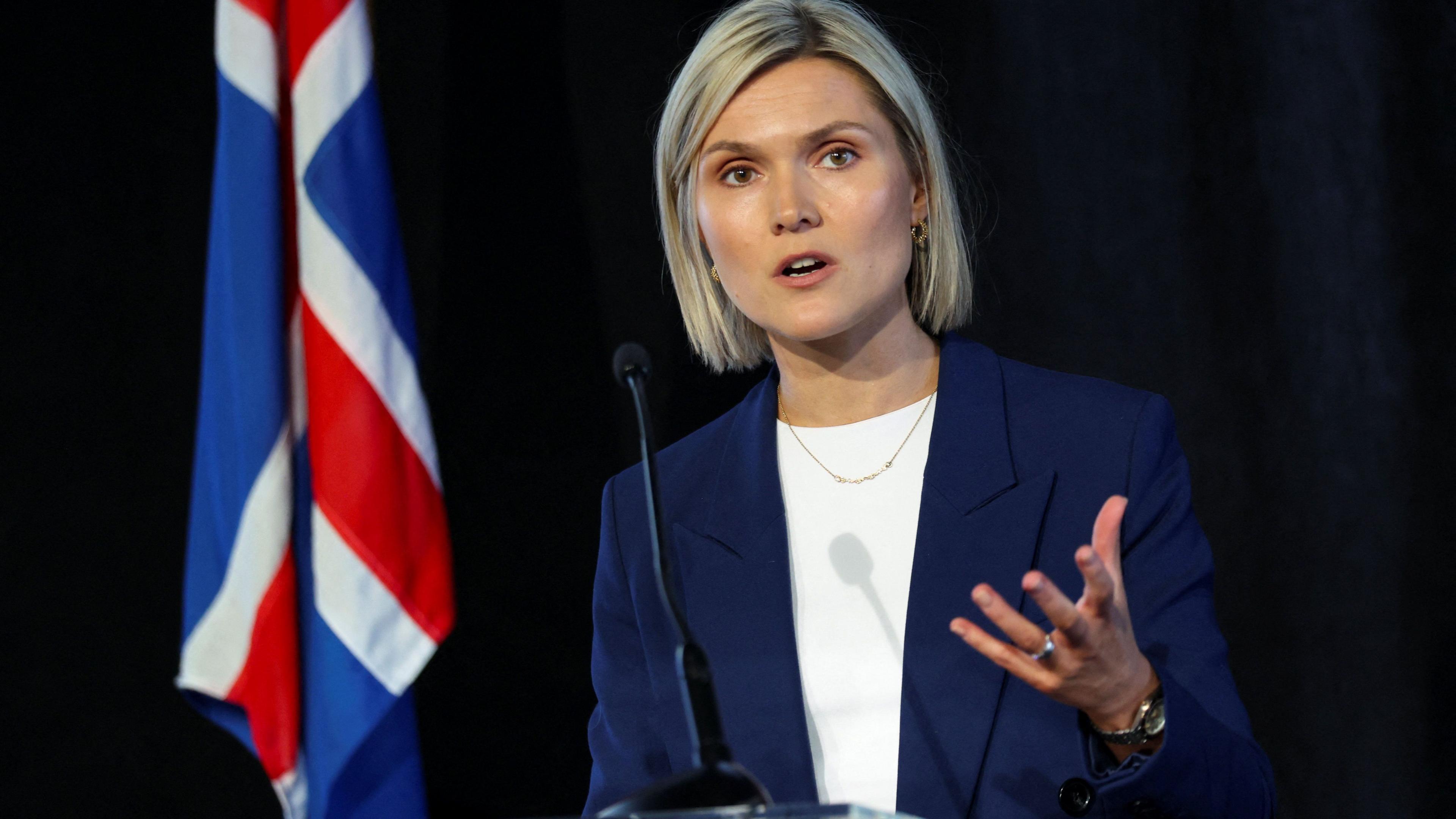
The televised campaign debate saw Prime Minister Kristrún Frostadóttir champion the Yes side, praising the potential risk‑reduction and economic benefits of EU membership. In contrast, Independence Party chair Guðrún Hafsteinsdóttir argued that the referendum was a vote on handing decision‑making powers over fisheries, agriculture and natural resources to Brussels, and that Iceland’s core independence should stay intact.
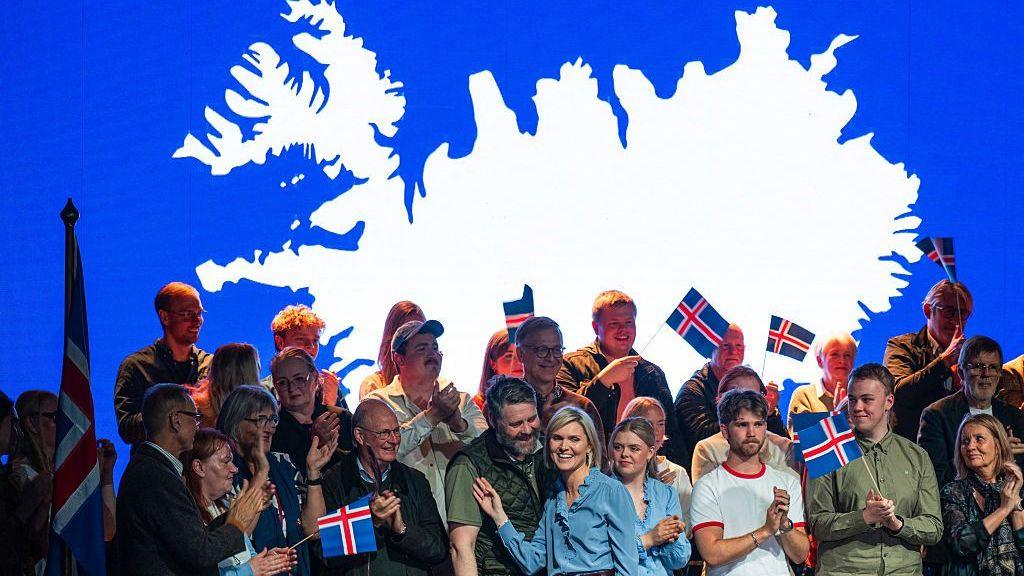
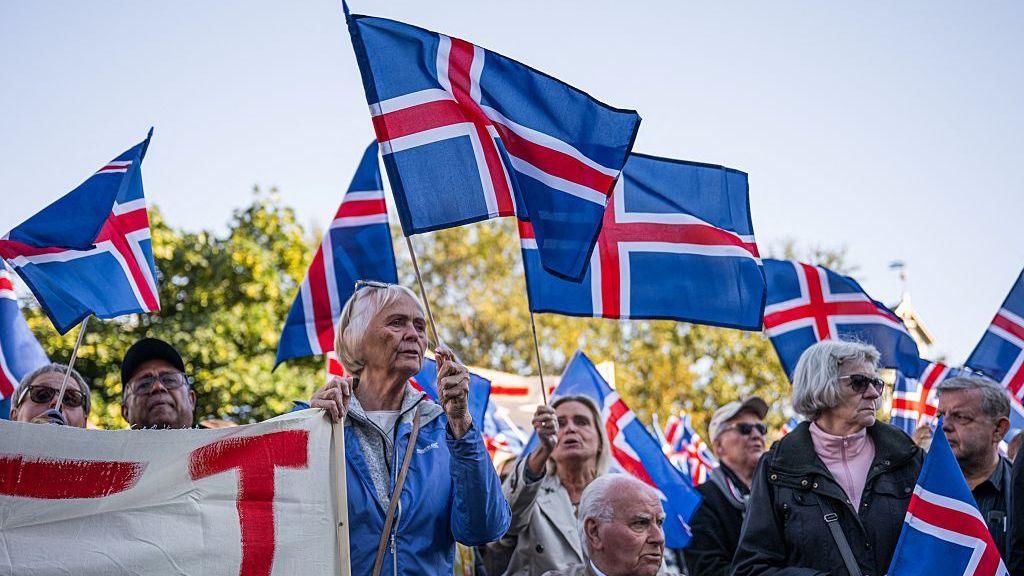
Outside the parliament, supporters of the “No” campaign waved Icelandic flags during a rally on August 27, while the “Yes to See” group advocated a cautious approach—letting citizens see what they could get from the EU before making the ultimate decision. Both sides agree that a clear, decisive outcome will be vital for Iceland’s economic and political future.