On 9 July, the International Criminal Court (ICC) announced a breakthrough in its investigation of war crimes in Sudan’s western region of Darfur. The court’s deputy chief prosecutor, Nazhat Shameem Khan, confirmed that concrete evidence now links leaders of the paramilitary Rapid Support Forces (RSF) to the brutal massacres in the cities of el‑Fasher and el‑Geneina.
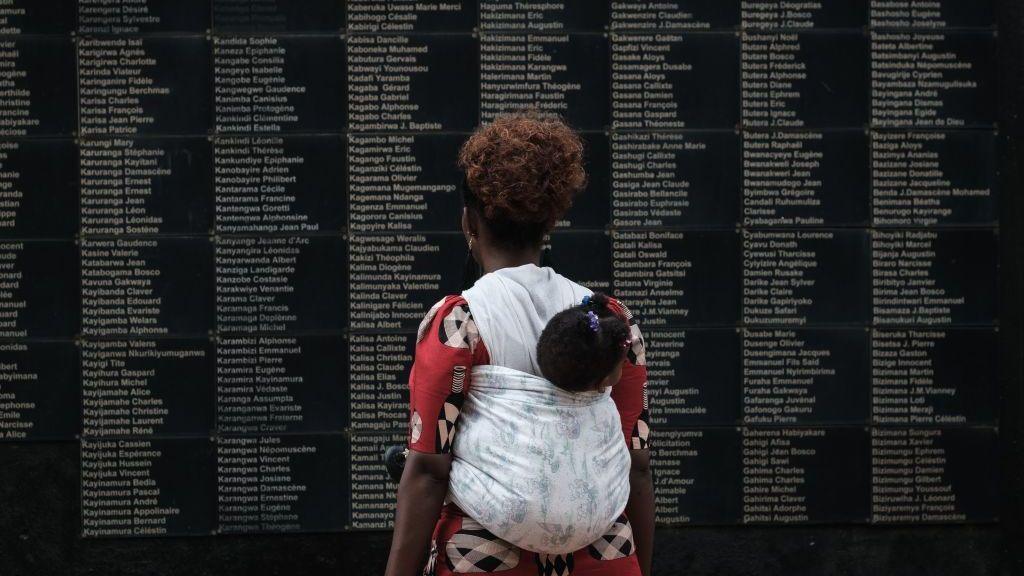
Since the RSF seized el‑Fasher in October 2025, the United Nations has documented the killings of more than 6,000 people and described the violence as bearing the “hallmarks of genocide.” The RSF has twice denied that these actions were carried out on ethnic grounds, though the UN fact‑finding mission report shows systematic attacks targeting non‑Arab populations and a pattern of war crimes and crimes against humanity.
In addition to killings, RSF fighters and affiliated groups have been accused of widespread sexual abuse – rape, gang rape, sexual slavery – following the capture of el‑Fasher. While RSF leader Gen Mohamed Hamdan Dagalo announced a separate investigation of alleged atrocities, he and the group continue to contest the scale of the crimes.
The ICC has been probing Darfur violations for more than 20 years, since the earlier wave of conflict in the 2000s. Previous work by the court has led to arrests of several individuals, including former Sudanese President Omar al‑Bashir (who remains at large). Last year, the ICC convicted a former Janjaweed commander for 27 counts of war crimes and crimes against humanity.
Although the court cannot yet set a definitive timeline for prosecutions, Khan said “progress has been significant and we have achieved a breakthrough.” The next steps involve formal charges and possible trials at The Hague, with the aim of delivering accountability and justice for Darfur’s victims.