ICC Breakthrough in Sudan War Crimes Probe: New Evidence Links RSF Leaders
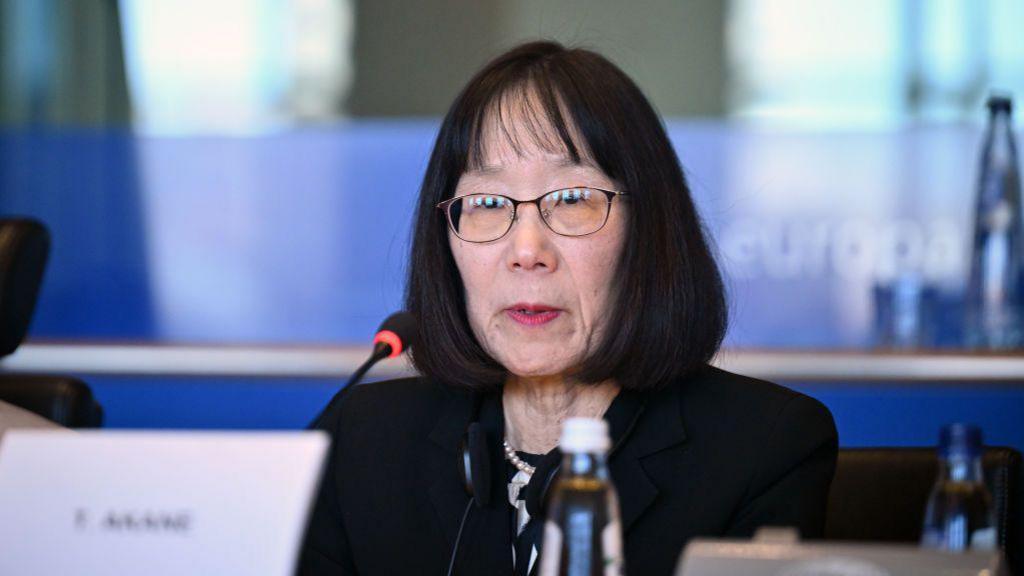
On Thursday, the International Criminal Court announced a significant development in its investigation of alleged war crimes in the Sudanese state of Darfur. Deputy chief prosecutor Nazhat Shameem Khan stated the court now possesses concrete evidence that links leaders of the Rapid Support Forces (RSF) to the massacres of civilians in the cities of el‑Fasher and el‑Geneina.
The court’s statement follows months of investigations that have collected witness testimony, videos, photographs, and forensic evidence. Khan emphasized that while it may take time to bring those responsible to the Hague, the global court will ultimately deliver justice.
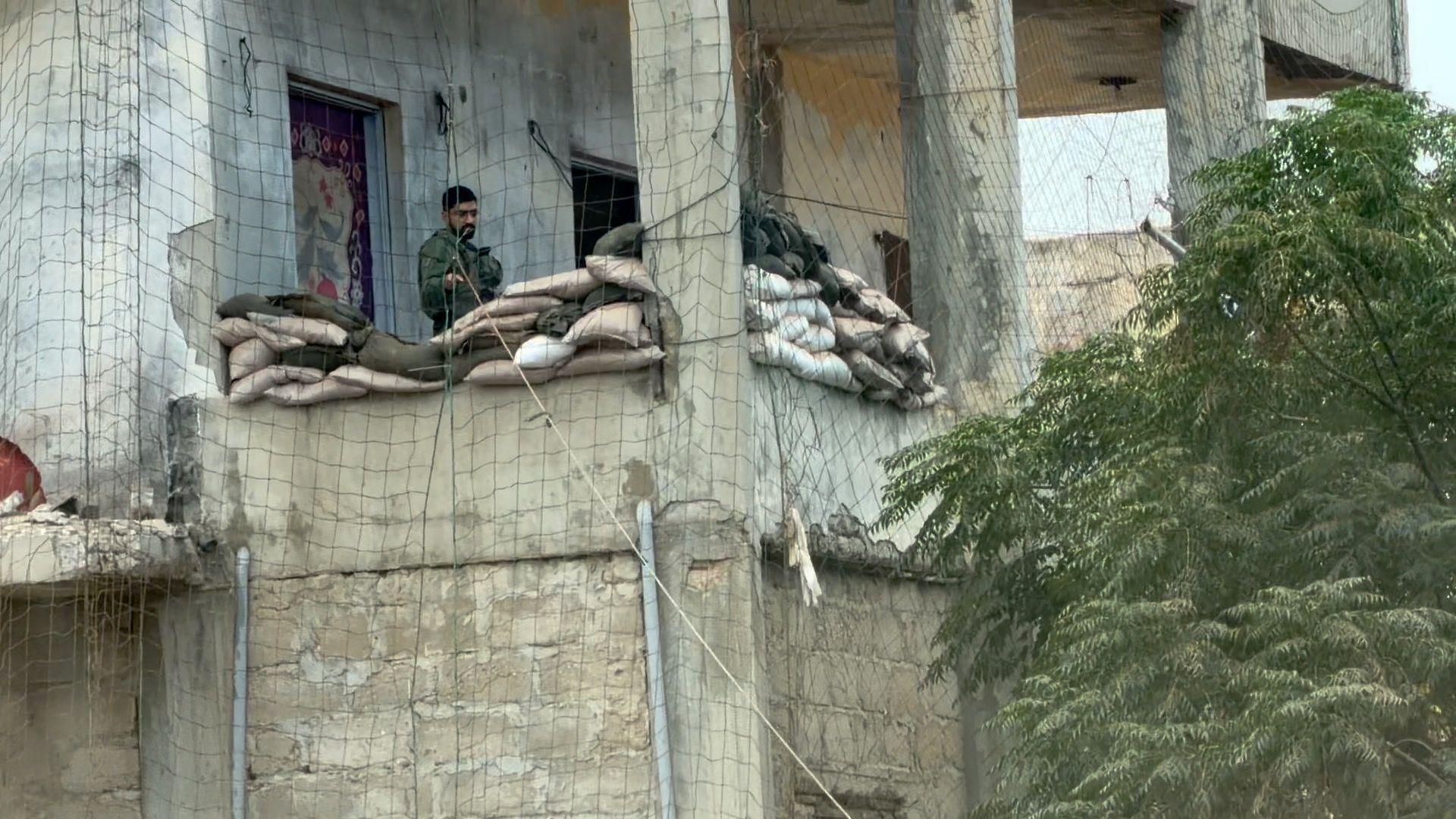
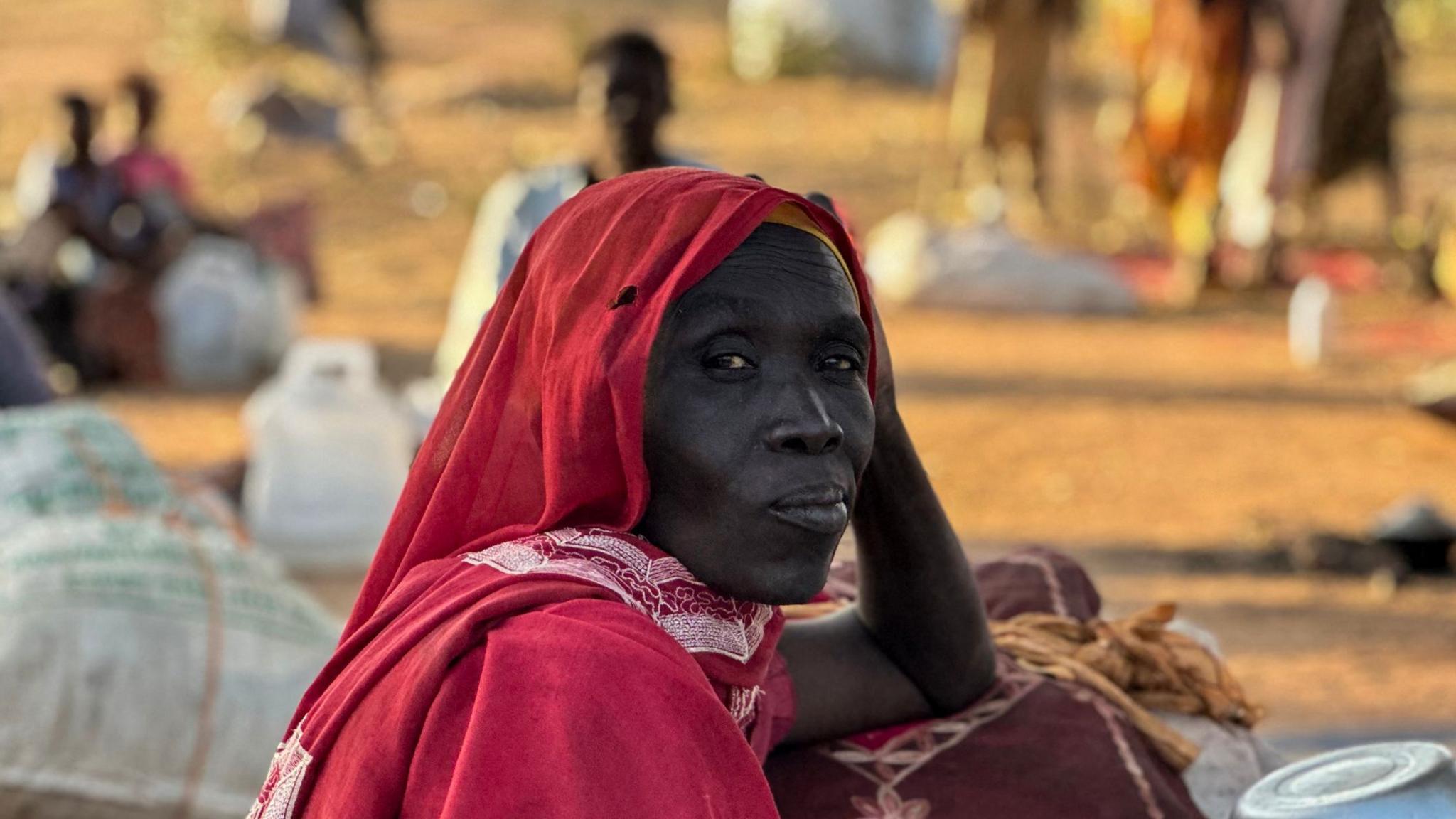
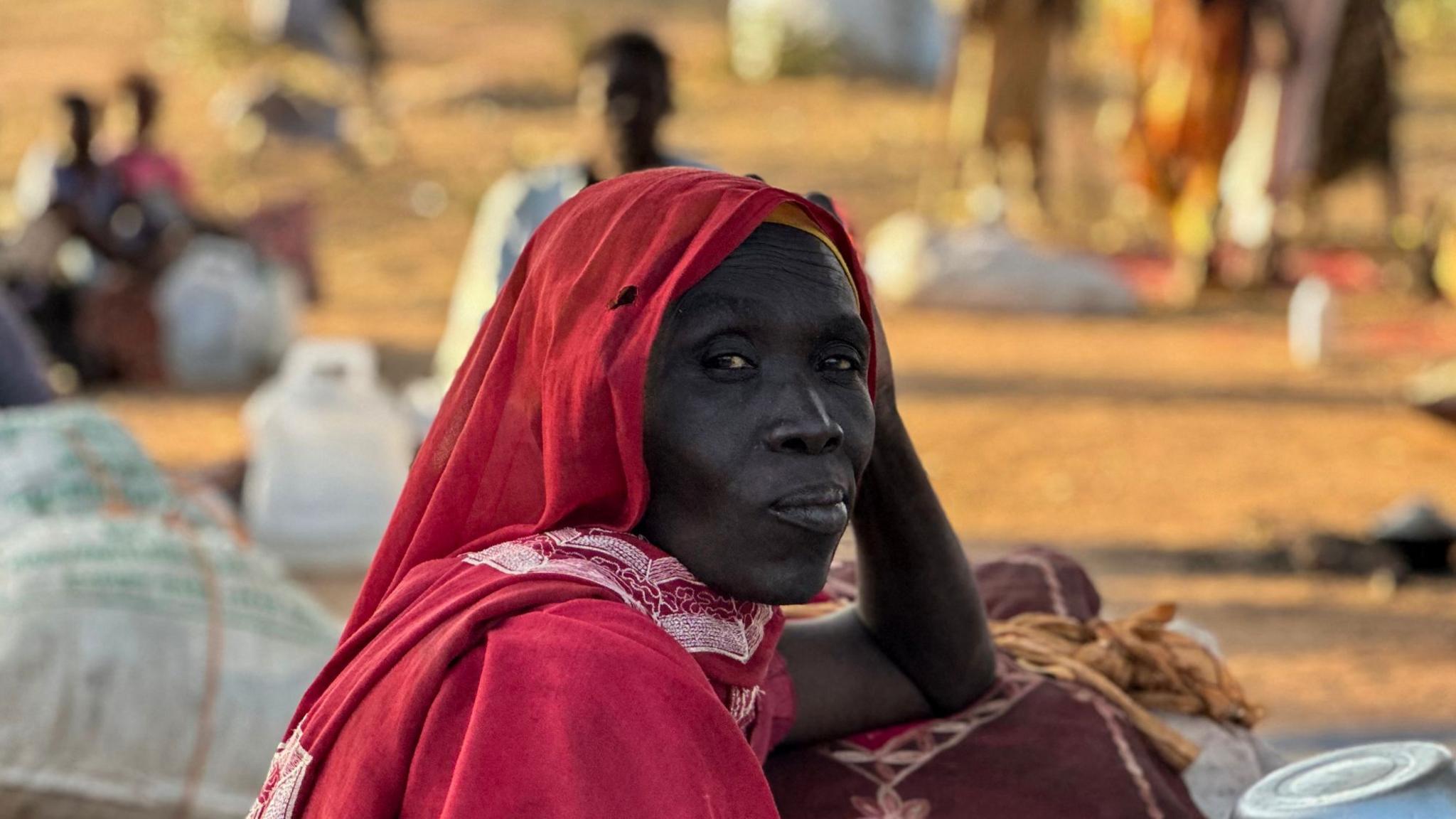
The siege of el‑Fasher, which was captured by RSF forces in October last year, marked one of the bloodiest episodes in the ongoing conflict between the RSF and Sudan’s army. Reports indicate that more than 6,000 people were killed when the city fell. A similar massacre is alleged to have occurred in el‑Geneina.
Although the RSF denies widespread killings and claims any violations have been exaggerated, it has publicly stated that it is conducting an internal investigation into alleged atrocities. The head of the RSF, Gen. Mohamed Hamdan Dagalo, has said the group is looking into any wrongdoing.
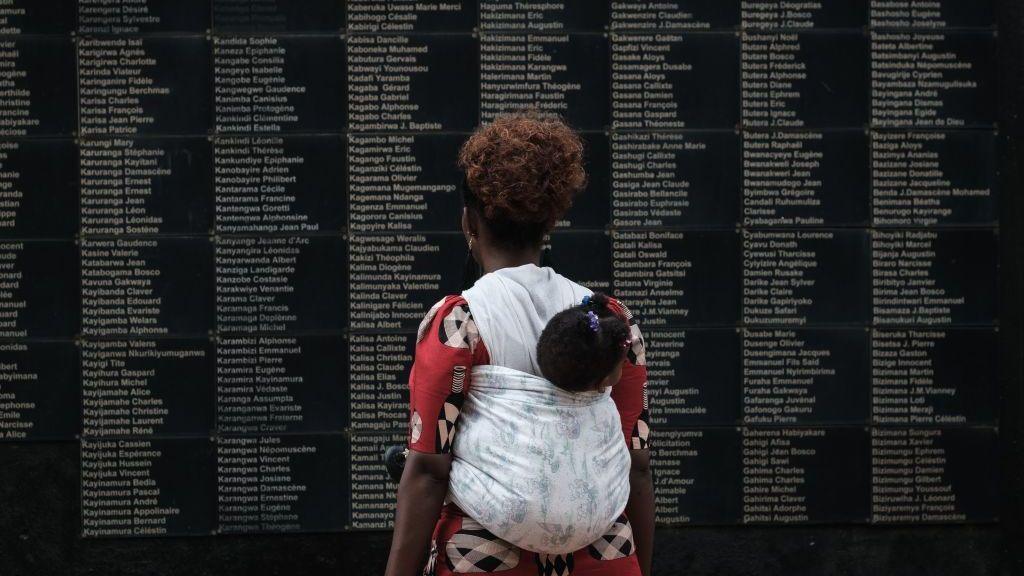
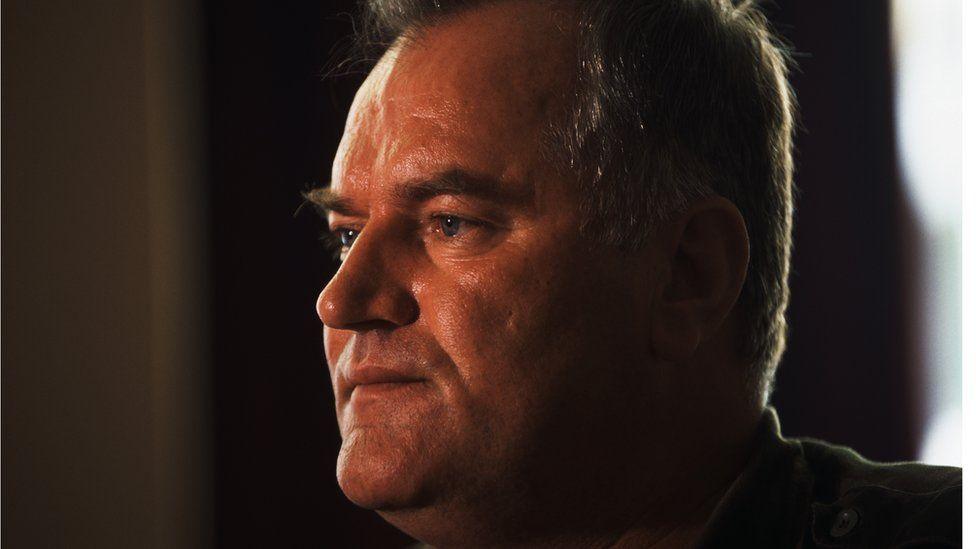
The ICC has been probing Darfur for over twenty years, dating back to the violence of the early 2000s. Historical investigations led to the arrest of former Sudanese President Omar al‑Bashir and the conviction of a former militia leader for 27 counts of war crimes and crimes against humanity. Al‑Bashir remains at large, believed to be in a secure medical facility in Sudan, while four other individuals face arrest warrants but have not yet been detained.
Past ICC cases demonstrate the court’s ongoing commitment to prosecuting serious violations committed in the region. The forthcoming charges, if brought, will address not only genocide but also crimes against humanity and war crimes.
For more detailed coverage of the conflict, BBC Africa publishes extensive reports and analysis. Follow BBC Africa’s coverage on their website, Twitter, Facebook, and Instagram for updates.