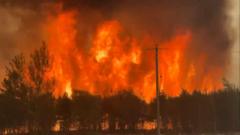
On Tuesday night, a wave of violence swept through Belfast, setting off a chain of events that led to widespread fires and homes being destroyed. The unrest began after a knife attack earlier in the week, prompting neighbours to retaliate against cars belonging to “foreign nationals” on the block, and the sparks soon turned into flames that engulfed several houses.
Jamie Corrie, who had lived on Lendrick Street in east Belfast for 13 years, watched in horror as his home went up in smoke. He told reporters that the blaze had started when a neighbour's car was set ablaze; once fire spread, his house was consumed before firefighters arrived. “I’ll never get over seeing my home burn down,” he said, highlighting the emotional toll of losing a place that had been his for over a decade.
Corrie’s experience echoes those of other residents. A 19‑year‑old Ukrainian woman named Yura fled her own home as flames devoured her front door, and a British man who had worked for four years in Northern Ireland felt the nightmare of streets turning into “war zones.”
Amid the chaos, a senior nurse—Biji Jose—expressed concern that its Indian community colleagues might leave the region. She noted that the safety of nurses is vital to maintaining healthcare services, and that a sudden shift in workforce could cripple local care.
Pastor Jack McKee and Reverend Brian Anderson took the lead in supporting those most affected, reaching out to churches and community groups that had been targeted. Their outreach efforts focus on providing both emotional and physical aid to those who have lost homes or faced discrimination.
Overall, the unrest has highlighted a deepening tension across Belfast. Residents are now calling for peaceful protest as the only legitimate avenue to safety and stability, while police remain on high alert to prevent further violence.