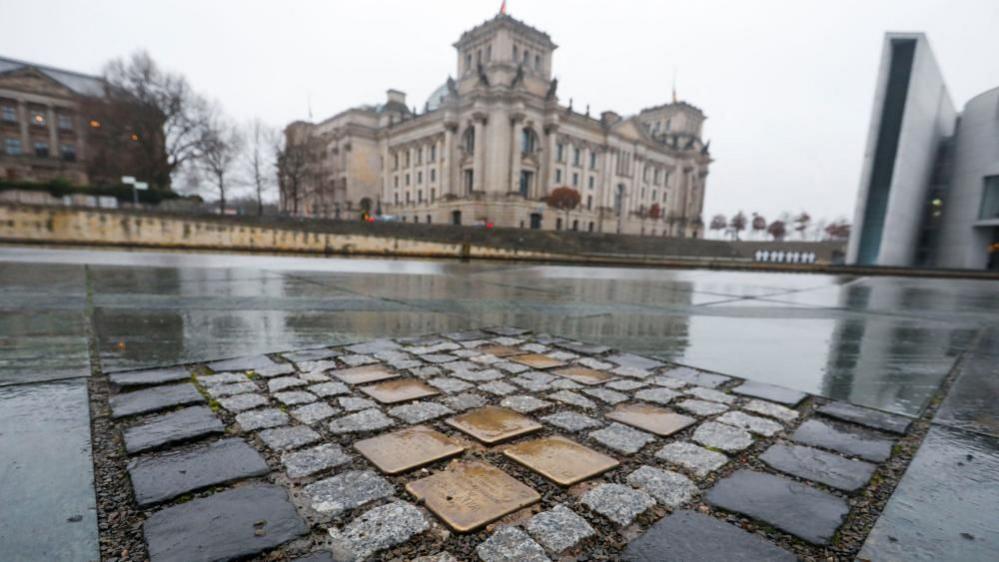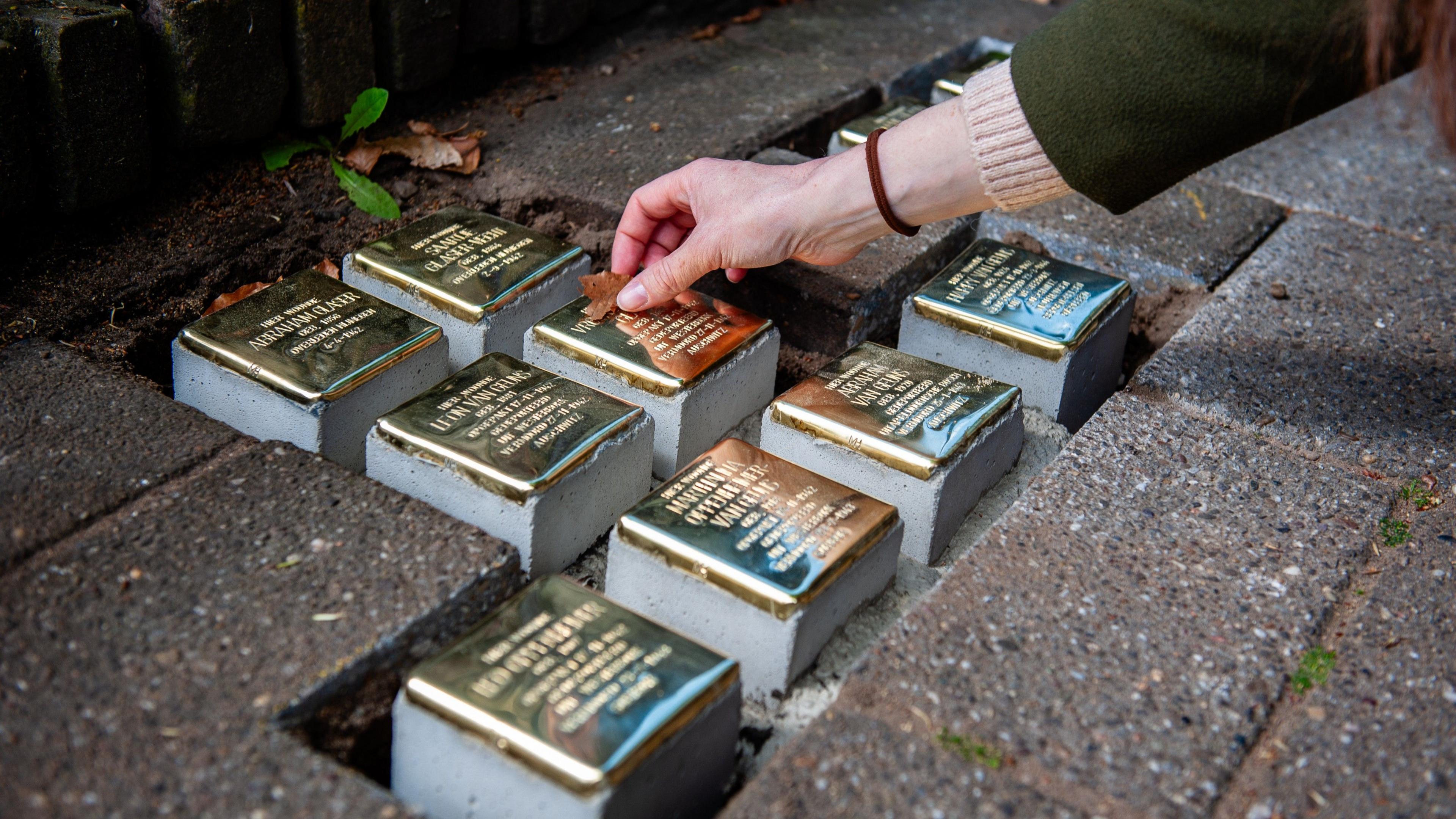
The tranquil German town of Heidenau, just south of Dresden, has become the center of a heated debate after its council voted to ban the display of Stolpersteine – small brass plaques hammered into the pavement to commemorate Jews and other victims of Nazi persecution.
Education minister Karin Prien, a member of the Christian Democratic Union, called the ban a “scandal” and criticised the move as an attempt to forget history. She wrote in a statement that “removing these stones from public spaces prioritises death over life and makes Jewish people invisible again.”
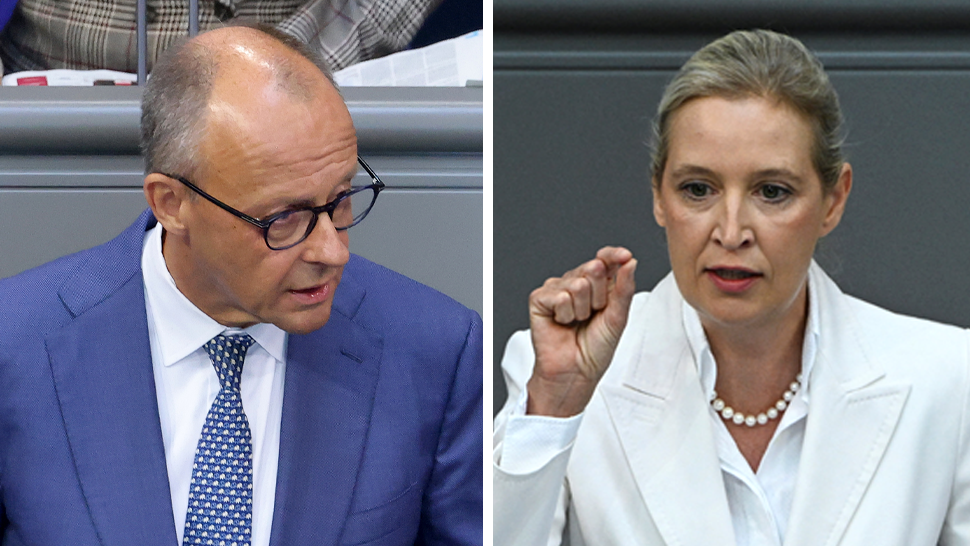
The decision was led by members of the Alternative für Deutschland (AfD) and the CDU in Heidenau, who argued that many residents found the memorials inappropriate for the streets. The motion proposed that any future commemorations should instead be placed at the Nordfriedhof cemetery, ensuring that people do not literally step on the memory of the victims.
Stolpersteine have been a common form of remembrance across Europe since the 1990s. They are usually set against the façades of former homes or workplaces of the Holocaust victims, many of which were funded by community donations. The pots are positioned directly at ground level so that a passerby can literally “stumble upon” the name of a victim – a gesture meant to prompt reflection on history.
Holocaust survivor and president of the Jewish community in Munich, Charlotte Knobloch, said the removal was “completely the wrong approach.” In Munich, her city does not allow Stolpersteine on municipal land, but instead places memorial plaques on private or public buildings. She emphasised that a “decentralised remembrance” – visible across everyday spaces – is essential to a living memory of the Holocaust.
Artist Gunter Demnig, who created the Stolpersteine project, warned that the recent political gains of the AfD in Saxony‐Anhalt and Mecklenburg‑Vorpommern would likely lead to more “such actions.” The AfD, whose wing in Saxony is classified by German intelligence as extremist, has historically promoted anti‑immigration, “Germany first” policies and friendly ties with Russia, which finds fertile ground in former East Germany.
Critics argue that moving memorials to a cemetery simply pushes the painful history out of everyday life, allowing new generations to forget. Proponents of the ban, meanwhile, claim that they are protecting public space from elements that some see as intrusive. The debate highlights a broader struggle over how Germany, and Europe, ought to integrate the memory of Nazi atrocities into the fabric of daily life.