In brief
Guinea-Bissau’s voters approved a new constitution in a referendum that broadens presidential powers, a move that has drawn criticism from the main opposition party. The military-led government that seized power last November oversaw the vote, which saw 70% support and 60% turnout. The draft places the president with authority to appoint and dismiss the prime minister, dissolve parliament, and alter ministries, while reducing parliamentary seats from 102 to 65. Critics argue the changes could cement a militarised dictatorship and threaten democratic transition. The December parliamentary and presidential elections will test whether the junta fulfills its promise of civilian rule.
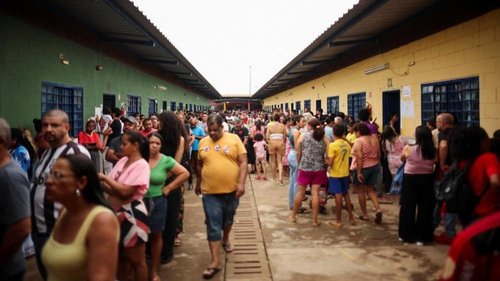
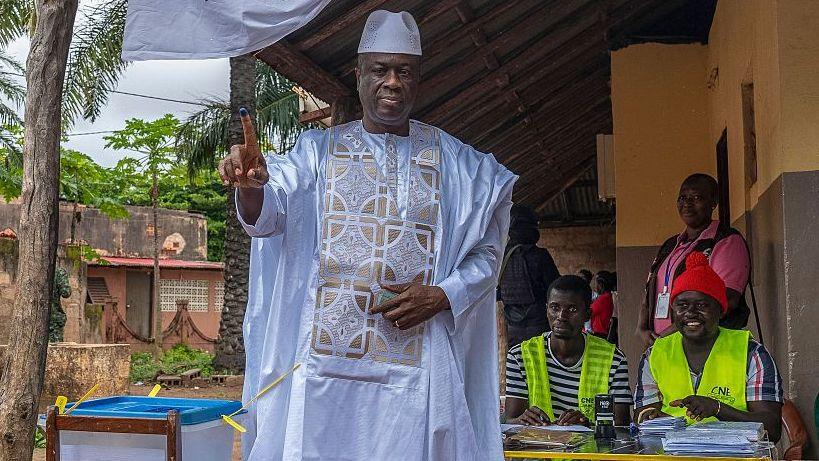
Guinea‑Bissau voters approved a new constitution that expands presidential powers, a move that has drawn sharp criticism from the opposition. The referendum, overseen by the military junta that seized power last November after a disputed election, saw 70% support and nearly 60% turnout.
The new charter gives the president the authority to appoint and dismiss the prime minister and cabinet, dissolve parliament in a crisis and alter the number of ministries. It also reduces parliamentary seats from 102 to 65 and imposes residency requirements for presidential candidates.
Opposition parties, led by PAIGC, boycotted the vote, warning that the changes could concentrate power in the president’s hands and undermine democratic transition. Analyses from regional experts and civil society groups suggest the referendum was a formality lacking broad public backing.
With presidential and parliamentary elections scheduled for December, observers will scrutinise whether the junta delivers a return to civilian rule or further entrenches its control. The move has raised concerns about the stability of the country and its role in regional drug‑trafficking networks.