In brief
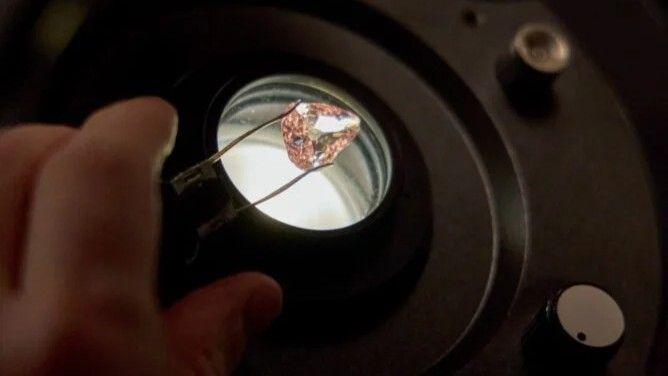
The Grand Conde, a rare pink diamond that survived the French Revolution, is returning to the Condé Museum at the Château de Chantilly for the first time in a century. The gem was stolen in 1926 and was famously recovered when a maid discovered it inside a hollowed‑out apple. After a decade of academic study, the diamond will be exhibited until 3 January, drawing parallels with recent heists at European cultural sites. Displaying the stone underscores its historical significance and the fragility of heritage treasures.
A rare pink diamond is returning to public view in France for the first time since its daring 1926 theft.
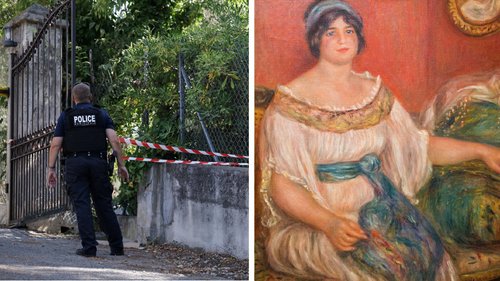
The nine‑carat, pear‑shaped Grand Conde survived the French Revolution and has long been a prized part of France’s royal treasure. In October 1926, a group of thieves broke into the Château de Chantilly and hid the stone inside a hollowed‑out apple.
When a tired maid, looking for a snack, bit into the apple, the diamond was unearthed, and the thieves were caught a few weeks later.
Now, its display at the Condé Museum will run until 3 January, marking its return to the public after nearly a century.
The museum director, Mathieu Deldicque, acknowledges the sensational apple story but notes that contemporary newspapers at the time reported the theft. He warned that the exhibition could tempt fate amid a wave of recent heists in European museums, including the Louvre.
While the exact insurance value remains undisclosed, Deldicque highlighted extensive academic research that made the Grand Conde uniquely identifiable, and this research, alongside newly unearthed archival material, will be part of the exhibition.
Pink diamonds are exceptionally rare, often fetching tens of millions of dollars. The highest auction price for a pink diamond came in 2017 when a stone sold for $71.2 million (£53.6 million) at Sotheby’s.
The Grand Conde’s origins remain mysterious. It first appears in an 1740 inventory of Louis Henri de Bourbon, Prince of Condé, after his death. It later entered the collection of Queen Marie‑Amélie of Bourbon‑Sicily and then her son, Prince Henri of Orléans, Duke of Aumale. Finally, the Duke bequeathed it to the Institut de France, which currently owns the Château de Chantilly.