On June 12, Interpol announced that its most comprehensive anti‑trafficking operation to date—Operation Global Chain—has led to more than 1,000 arrests across 59 countries. The network that ferried victims into online scamming operations in Cambodia and recruited under‑age girls via social media in Europe has been dismantled.
Victims Freed and Networks Cracked
Authorities identified 2,070 potential victims, with the vast majority being women. Of the arrests, 334 were for direct trafficking and 690 involved related crimes such as fraud and forced begging. The operation exposed new routes—particularly the movement of Latin American girls to forced labour in Europe, and about ten percent of those trafficked being minors subjected to sexual exploitation.
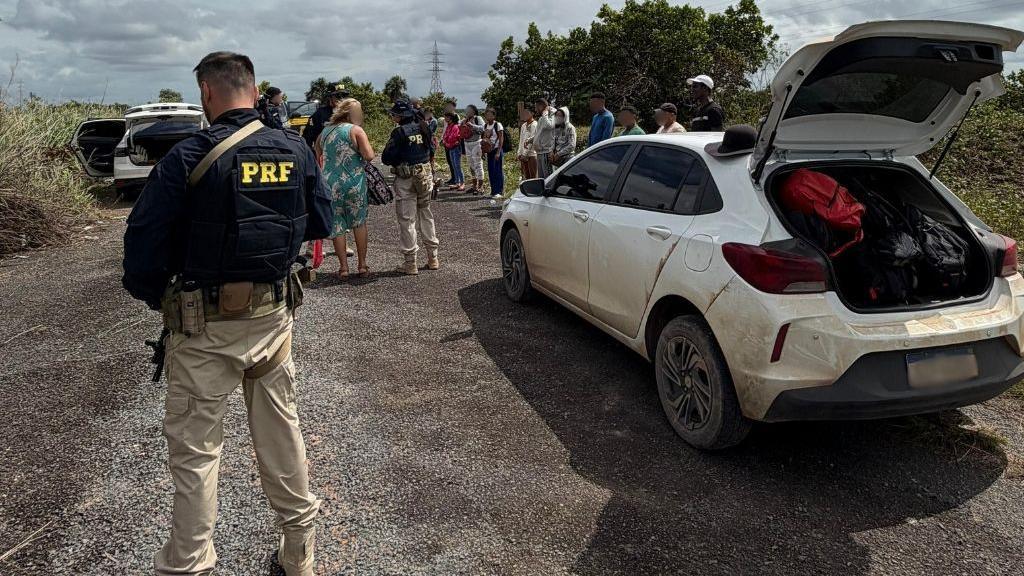
Brazil’s Federal Police uncovered a transnational network that trafficked 406 victims to Cambodia for online scamming, involving 83 Brazilian nationals and 323 foreign ones. Colombian law‑enforcement launched an airport awareness campaign to warn travelers about fraudulent job offers.
International Collaboration and Future Action
Interpol worked alongside Europol’s law‑enforcement cooperation agency and the European border agency Frontex. The combined effort involved 40,000 officers from Africa, the Americas, Asia and Europe. Separate investigations in Argentina recovered two Bolivian child victims working in a grocery store, while Belgian police seized 17 suspects tied to a prostitution ring that operated across Belgium and France.
Interpol Secretary General Valdecy Urquiza warned that human trafficking remains one of the most lucrative and pervasive organised crimes, with billions in illicit revenue generated each year. She praised the operation as a testament to the power of global cooperation in disrupting criminal networks and providing lasting harm prevention for victims.
The crackdown has led to 465 investigations and 201 suspects named across the participating nations, including the UK, US, France, Germany, Spain, Nigeria, Thailand and Vietnam. By tightening cross‑regional collaboration, authorities aim to reduce the geographic and criminal flexibility of traffickers in the future.