In brief
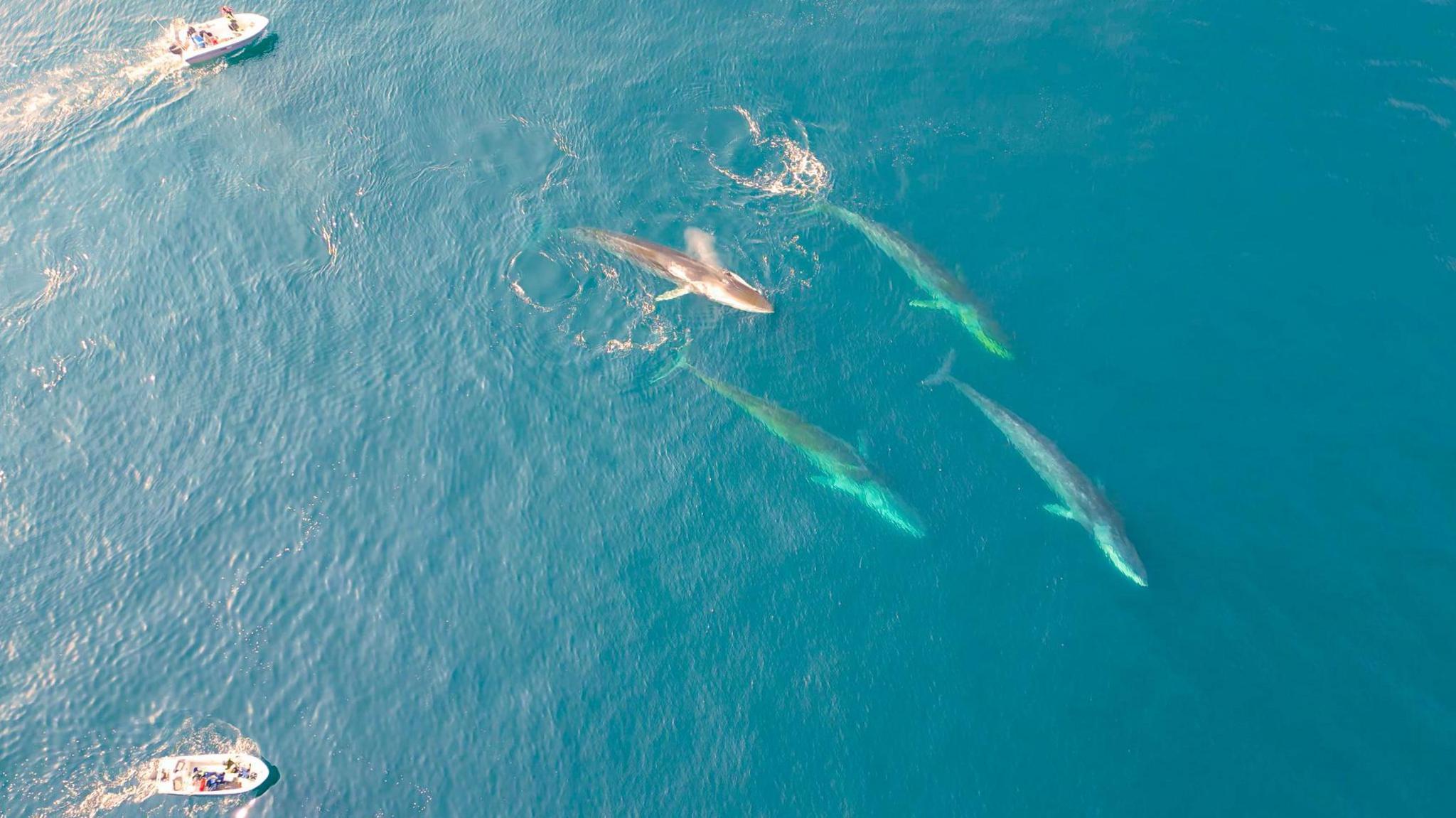
Scientists have found that warming seas and retreating ice have opened a new feeding ground for large whales along East Greenland’s coast. The first humpback whale sighting off the coast was in 2006, and today the area hosts around 4 000 humpbacks, 6 000 fin whales and 6 000 minke whales each summer. While some species flourish, others such as narwhals and belugas are losing habitat. The findings, published in Frontiers in Marine Science, highlight a major ecological shift driven by climate change.
For the first time in a decade, scientists have documented large baleen whales entering East Greenland’s waters, having been prevented by sea ice for centuries. The slow retreat of the ice, driven by rising temperatures, has created a new, ice‑free feeding season for fin, humpback and minke whales.
The first aerial survey of these “baleen” whales in 2015 recorded a changing pattern. By 2024, researchers noted 150 ship‑based sightings of humpbacks alone, a dramatic rise from zero in 2006. The study combined satellite tracking and Inuit hunter testimonies to detail the regime shift.
Scientists estimate that during the 2024 summer feeding season the three species consumed at least 800,000 tonnes of fish and krill. The influx shows whales “capitalising on new opportunities” while species that rely on the old ice environment, such as narwhals and belugas, face displacement.
The research, published in Frontiers in Marine Science, raises questions about whether this trend reflects increased populations or merely redistribution from other Arctic areas.
Related Topics- Whales
- Marine life
- Environment
- Science & Environment
- Greenland
- Arctic
- Climate