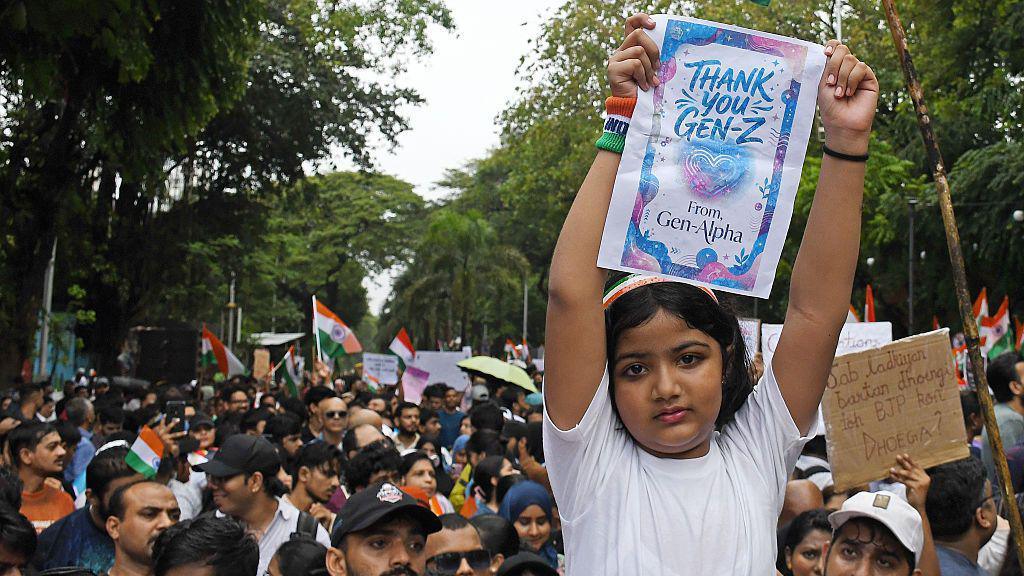
Gen Z Slang Hits Lok Sabha as Youth Protest Revamps Parliamentary Dialogue
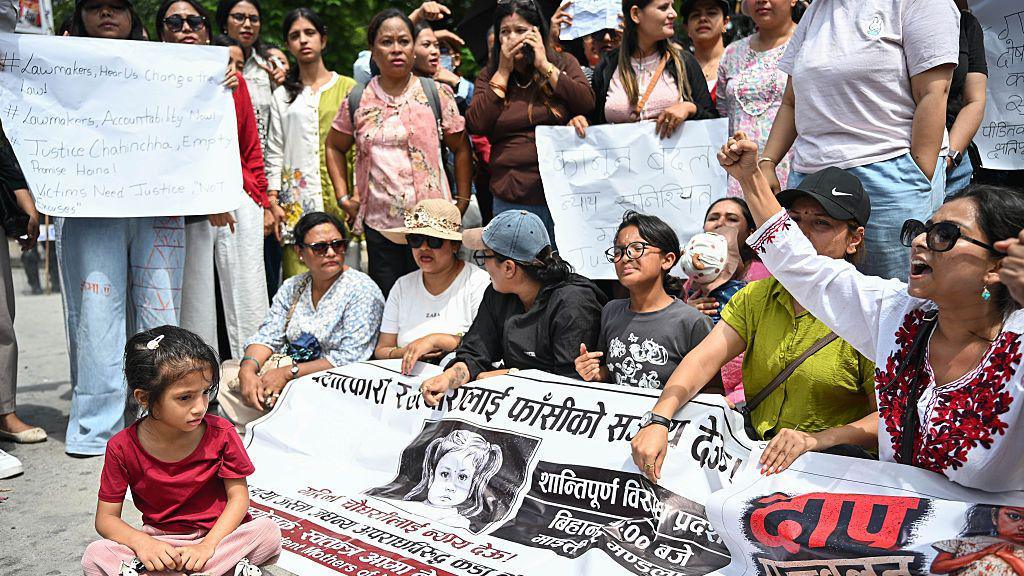
India’s lower house has swallowed a new vocabulary, louder than any political slogan before. After a string of protests that began as memes on Instagram and spread on Telegram, the education minister was forced to step down. The young activists demanded that their voices be heard in the very halls that shape national law.
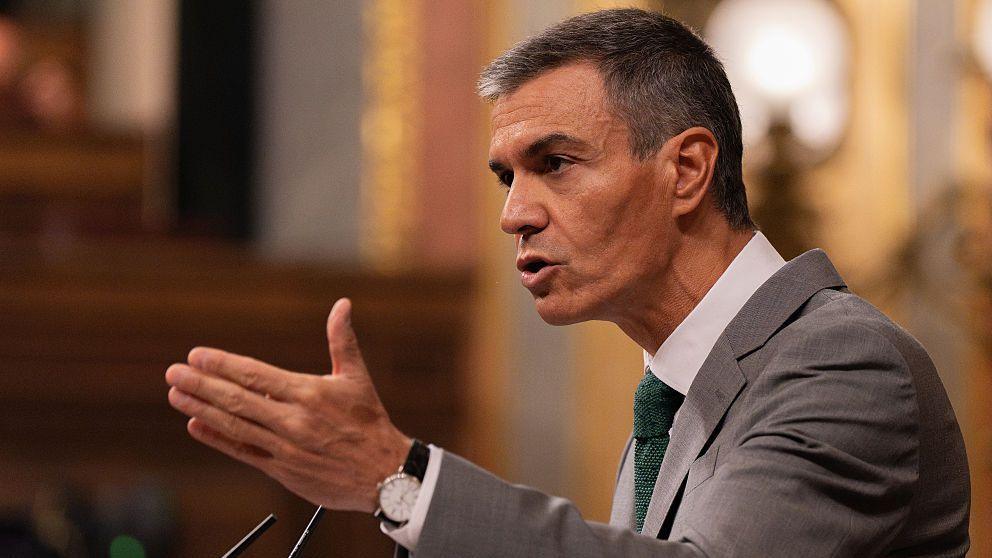
During a debate on a new anti‑exam‑leak bill the parliament rattled with phrases nobody expected to hear—"Delulu," meaning out of touch; "FOMO," a fear of missing out; and "Clock it," praising a correct or clever move. Even established parties used the language, with MPs from the ruling BJP declaring the prime minister had "clocked it."
While the use of Gen Z slang shows a reachable nod from politicians to the country's digital natives, experts caution that borrowing words does not equate to solving the frustrations that birthed them. Politicians have always tuned their speech to the current culture, but the real change comes when policy responds to real concerns.
The movement started as a satirical internet group but grew into a powerful protest engine, threatening unemployment, educational failures and political indifference. The movement’s survivors say that while politicians mimic their lingo, they still demand concrete actions.
At present, the internet slang that once bubbled behind smartphones has spread a second time, through the marble corridors of a parliament. Whether it will stay or fuse with changing politics remains to be seen, but it underscores how digital culture can infiltrate the highest arenas of government.
For updates on the movement and more on India’s current youth politics, follow BBC News India on social media.