In brief
Cuba is grappling with the aftermath of Hurricane Rafael, which has resulted in a nationwide blackout, prompting a rapid response from officials aimed at restoring power.
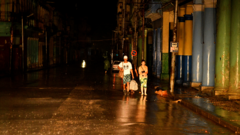
Officials in Cuba have initiated recovery efforts after Hurricane Rafael caused a significant nationwide blackout on Wednesday. The storm, characterized by powerful winds reaching 185 km/h (115 mph), led to the shutdown of the country's electrical system for a second time in a matter of weeks. As a precaution, approximately 70,000 residents were evacuated before the hurricane made landfall, though reports indicate no fatalities have occurred.Cuban President Miguel Díaz-Canel reported that the provinces of Artemisa and Mayabeque, along with the capital, Havana, experienced the most severe impacts. "Every step from this point forward is geared towards recovery. Together we will do it," Díaz-Canel stated. The western regions of Cuba have witnessed substantial flooding and damage to infrastructure, leaving a vast majority of the country’s 10 million residents in darkness.In Havana, residents are busy clearing debris and assessing damage in the wake of the storm. Streets are cluttered with fallen branches and wreckage from broken homes, and downed electricity pylons have blocked essential routes. As a means of coping with the power outages, residents are resorting to cooking with coal. "If you don't have gas, you have to improvise with coal," explained Artemisa resident Elias Perez, highlighting the daily struggles of those affected.This blackout follows a similar incident last month when millions experienced a four-day power outage, largely attributed to deficiencies in Cuba's aging energy infrastructure coinciding with Hurricane Oscar, a weaker storm that caused damage along the northeastern part of the island. Artemisa resident Natalia Martinez expressed resilience, noting, "We know how to survive, we're in the dark all the time, you know."