"This is the first drone," said a soldier who accompanied us in the hills south‑west of Taiz. A low, buzzing sound pierced the air, and moments later hard thuds of artillery followed. The sound of shells and gunfire has become the backdrop to everyday life on the front‑line.
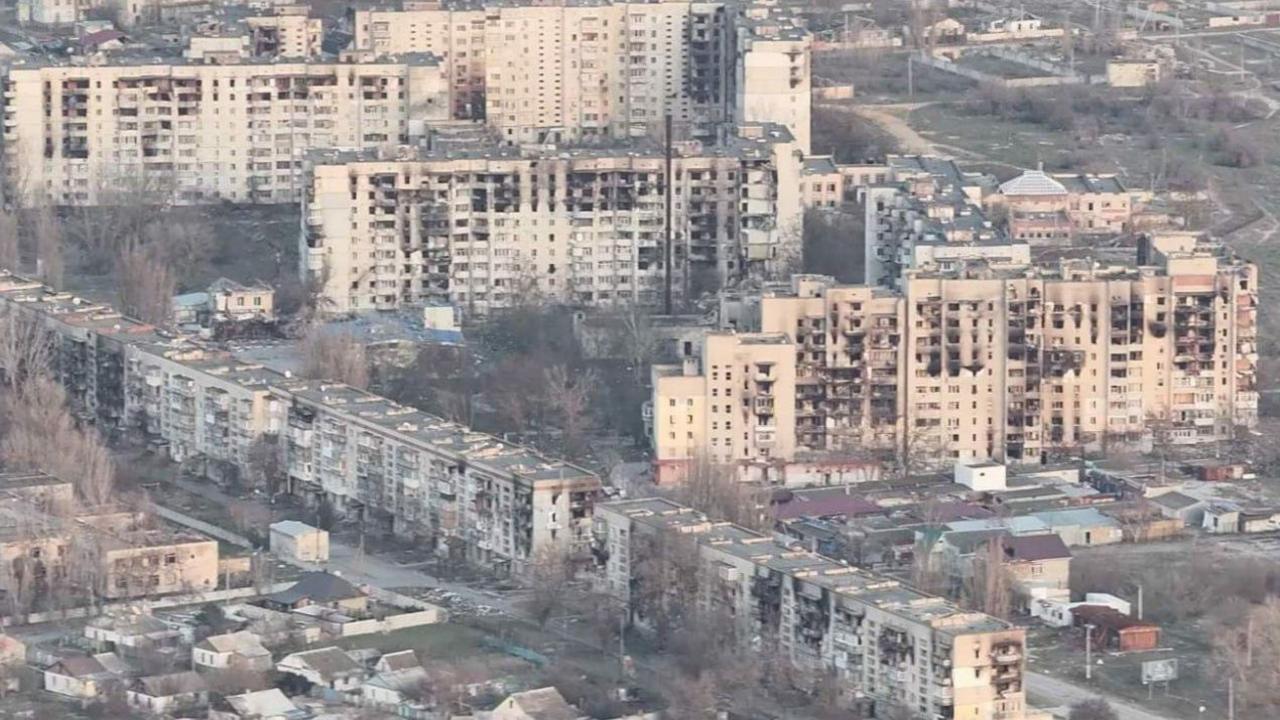
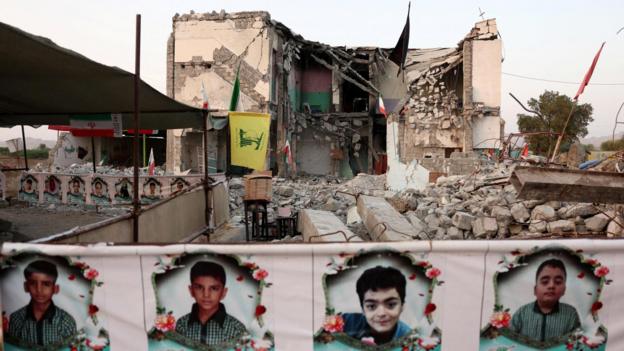
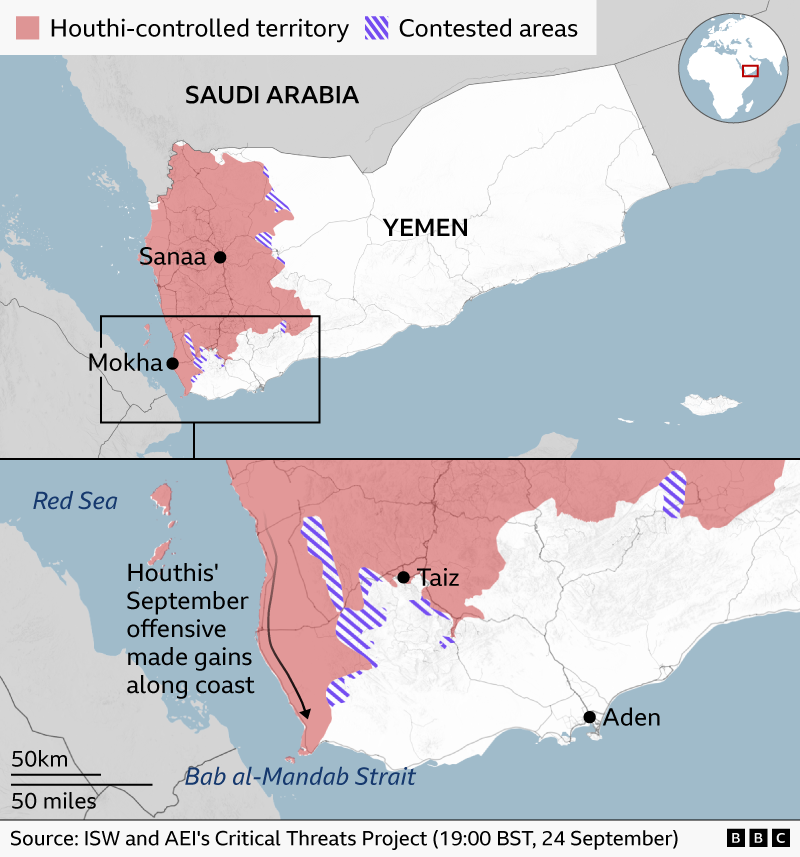
The battle lines in the mountains around Taiz remain blurry. Saudi‑backed pro‑government forces are pushing back Houthi fighters who swept along the Red Sea coast earlier this month, capturing Mokha and threatening the Bab al‑Mandab Strait – a vital maritime route. In the hills, homes that once thrummed with families now lie abandoned as people flee the fighting.
We met Ali, who kept his goats outside his house a kilometre from the line. “Two mortars landed here on my property,” he told us, eyes still wary of the next strike. He sits in his modest shelter while his wife and sisters tend to the animals, fearing that the advancing Houthis could force a mass evacuation.
In a village nearby, a 12‑year‑old Ghana Nabeel lay in hospital after shrapnel from a mortar shattered her skull. Doctors say her brain injury is severe; family members quietly pray that she will survive. Her story is one of many, as ambulances flood Taiz’s main hospital carrying wounded fighters and civilians alike, all staring at the same dire reality.
At the al‑Monig displacement camp, 200 families have arrived in the last ten days, all bringing with them the trauma of leaving homes. Maryam Saleh, a mother of five, weaves a hand‑woven hat at the camp’s makeshift market. She describes how her family walked barefoot, carrying only their children, and how a mortar splinter killed her nephew’s foot during the escape.
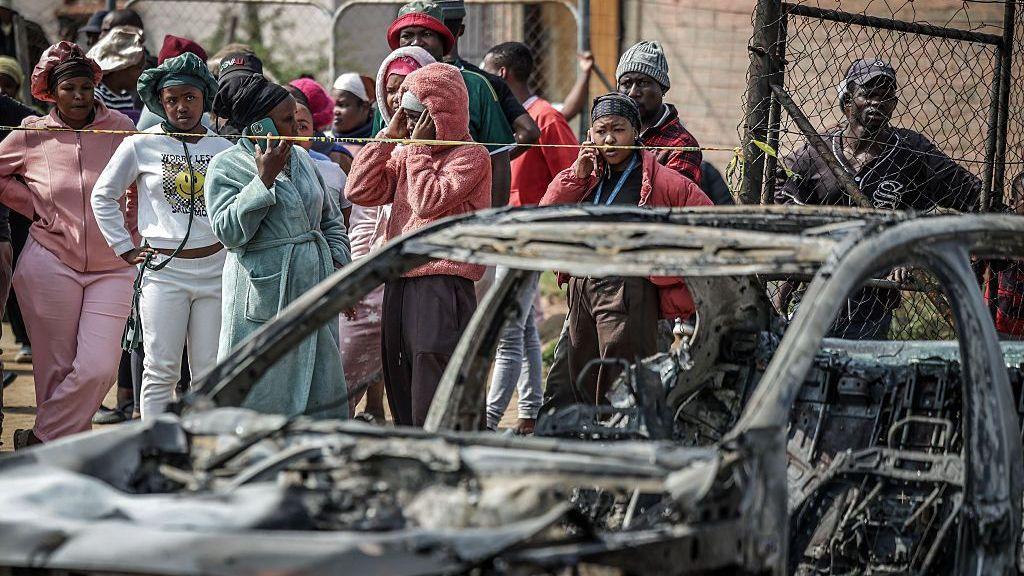
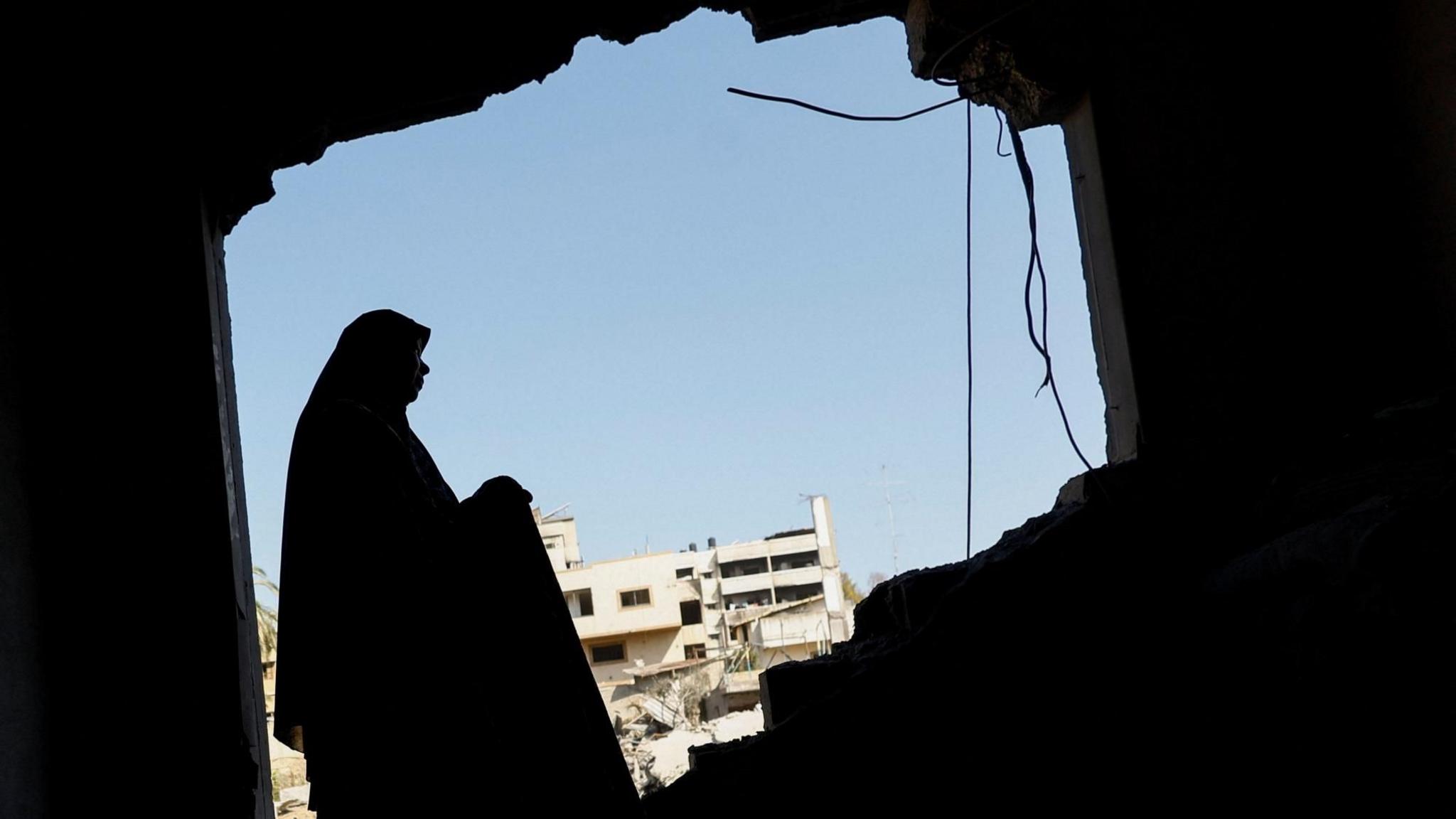
Damaged by war, the terrain that once supported a bustling city now holds empty rice sacks, improvised tents, and a palpable silence broken only by the bleat of goats and distant explosions. Fatma Mohammed Saleh, who cannot walk, tells of crawling on hands and knees for two days before a passing motorbike pulled her to shelter. She has not seen her family since.
The UN says that 130,000 people have been displaced across Yemen this month, on top of a 5.2‑million‑strong population already displaced by civil war. A report warns that another 100,000 civilians could be forced out of their homes in the next three months, underscoring the threat of a humanitarian crisis that could engulf the region.
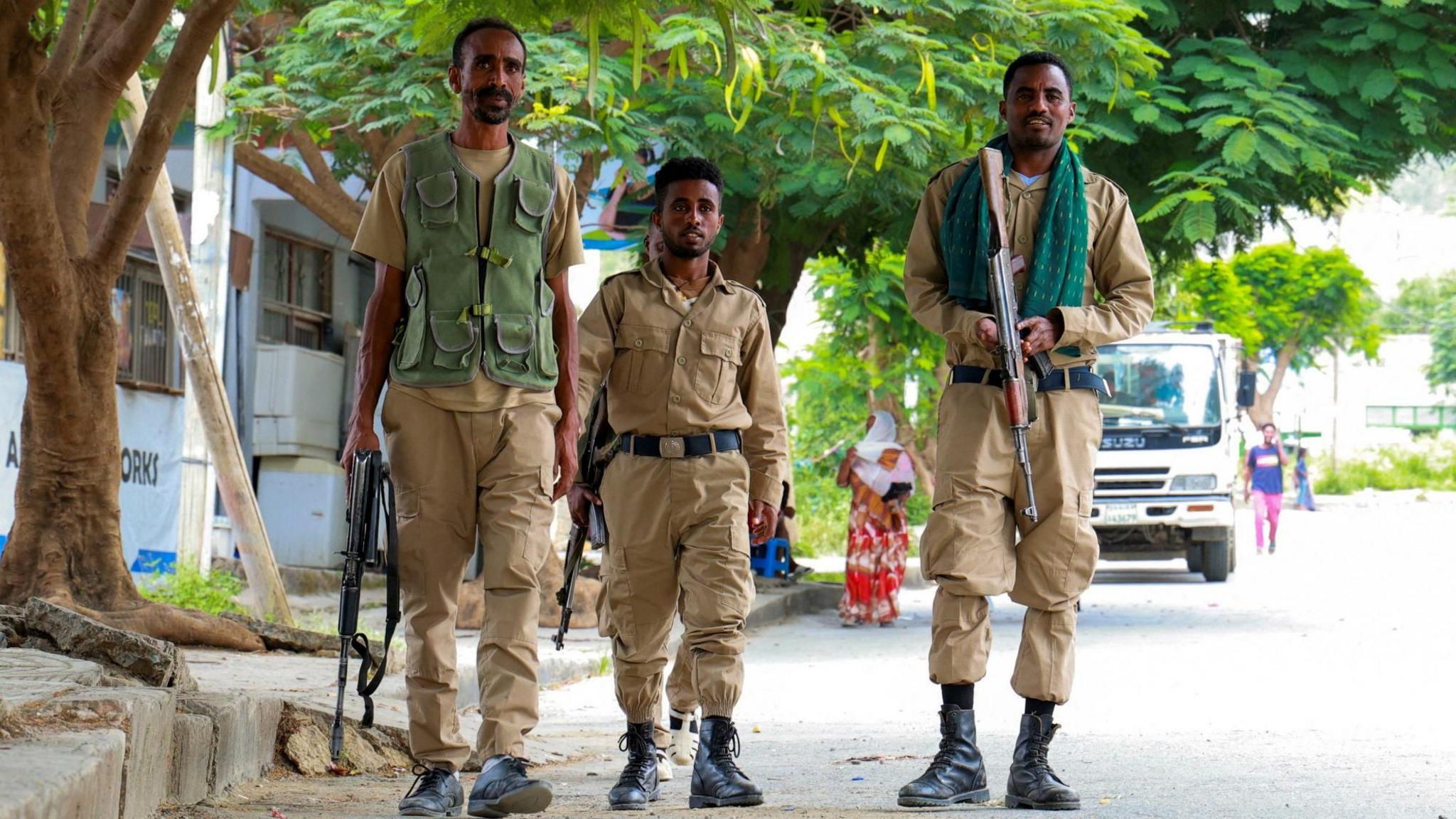
In search of a line that separates the warring factions, we drove along 30 checkpoints, each marking a different commander’s control. Some vehicles, including a car with a soldier, clutched their armored plates, while others were stalled by hostile fire from both sides. Our guide, a veteran of the war, reported that the government had managed to keep the central square of Taiz intact, but the western suburbs were said to be lost to artillery fire.
Even as the city darkens at night, the chatter of trade and the clatter of motorbikes persist because of the fragile cease‑fire that has never held in the region. Saudi-led coalition air strikes have started targeting Houthi positions along the Red Sea coast, while the Houthis have responded with drones that target Saudi infrastructure, escalating the stakes for both sides.
The front line in Taiz is a desperate dance of load‑bearing rifles and improvised mortars, with civilians stuck between the two communities. The future will depend heavily on whether the Houthis can secure the high ground, or whether the Saudi‑backed coalition can keep the line of the Bab al‑Mandab open. For now, the city’s sounds are of misery and hope, an announcement that the conflict is far from over.