French civil servant accused of drugging women in job interviews
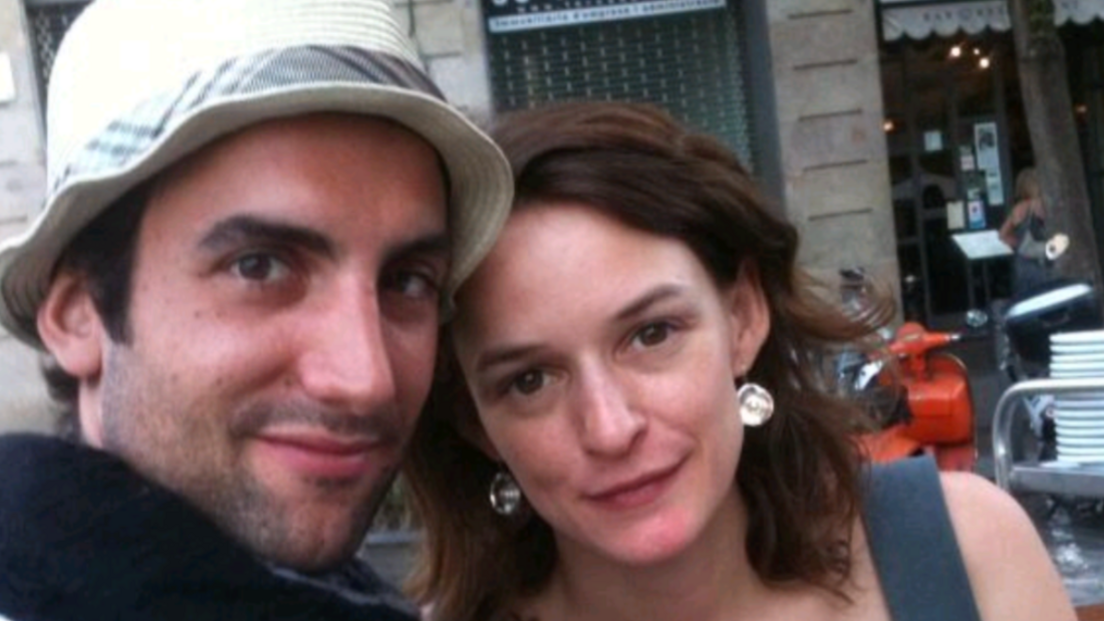
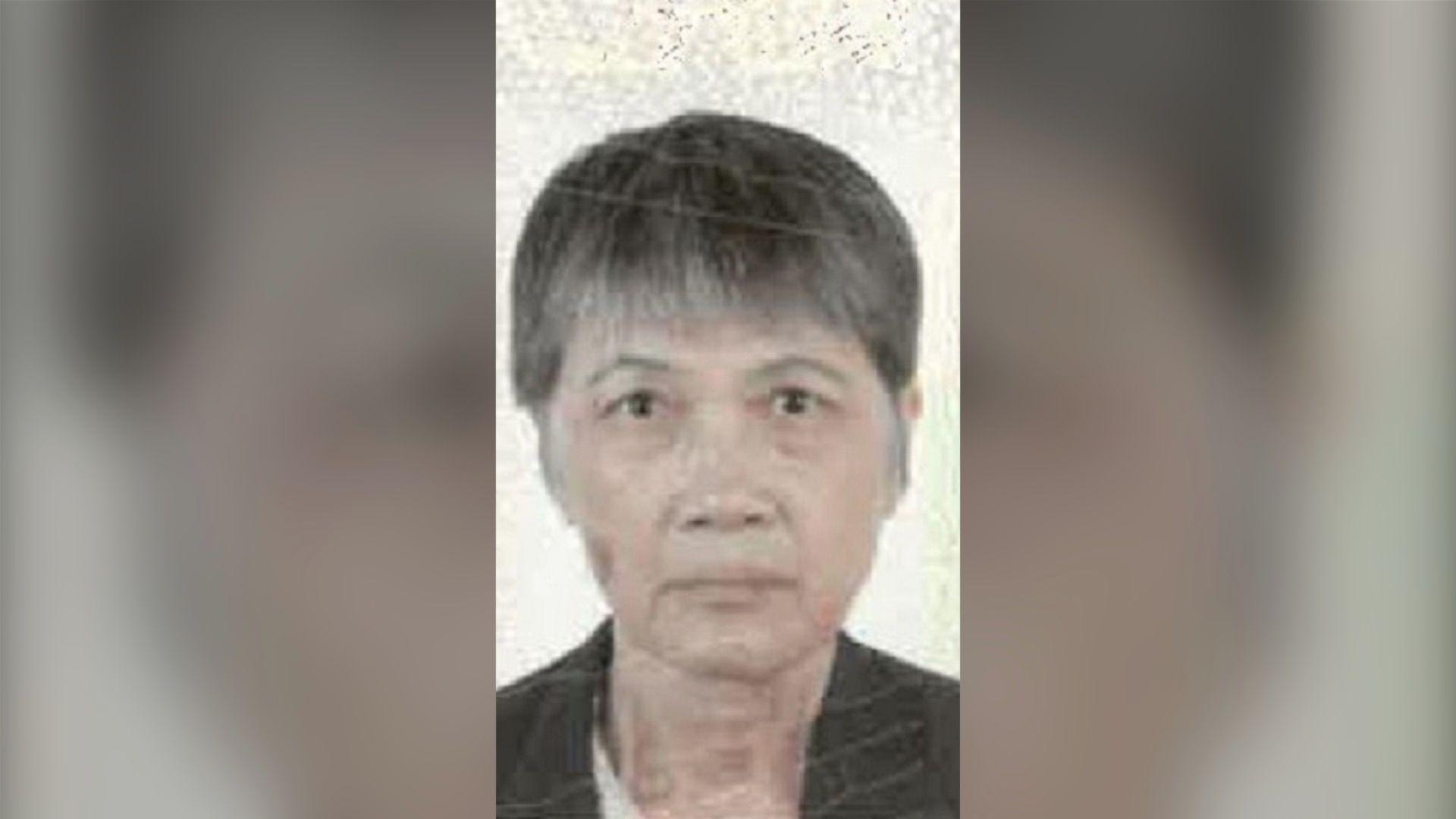
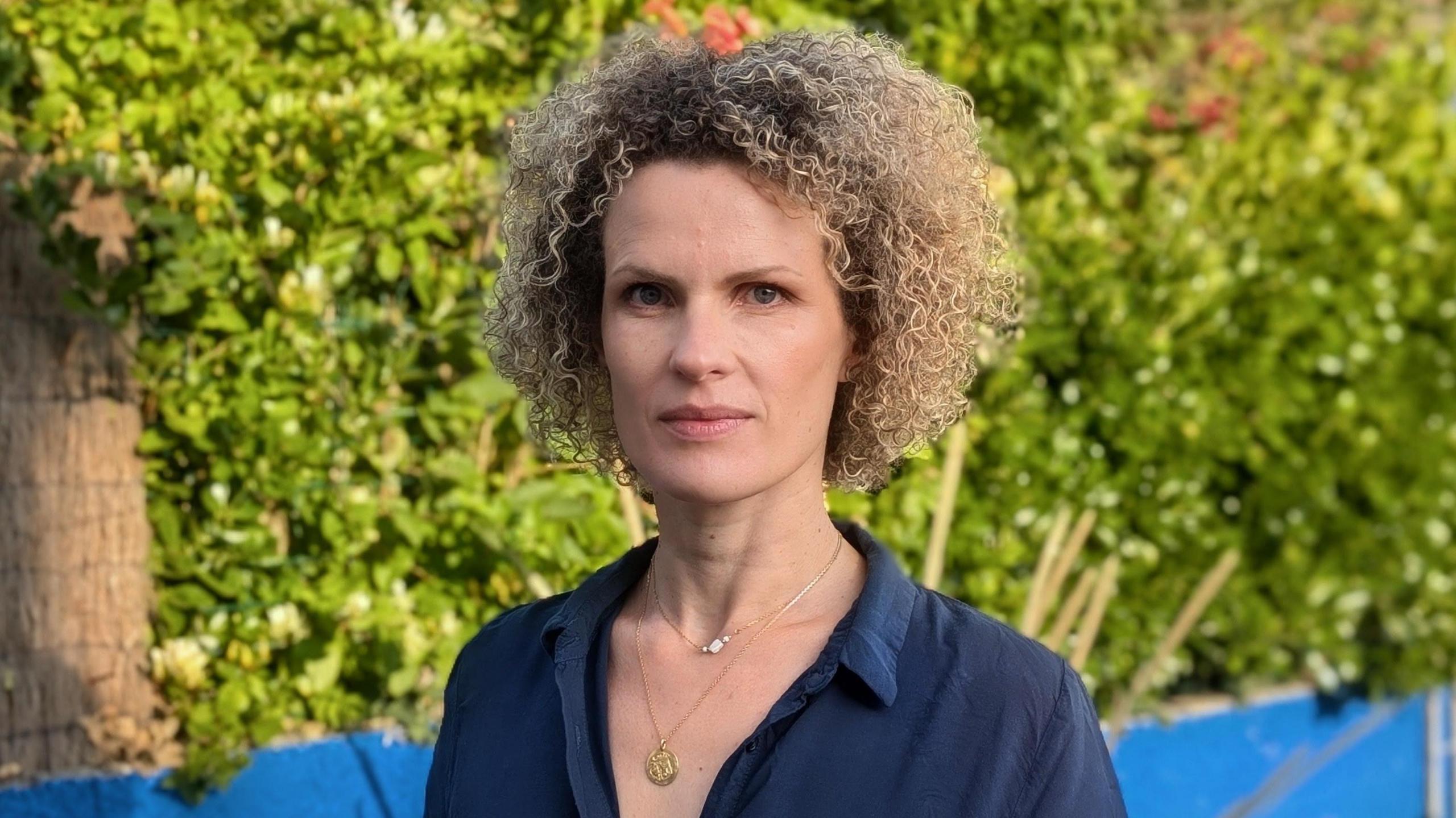
In July 2011, 27‑year‑old Anaïs de Vos says she was offered a cup of coffee by Christian Nègre, a senior civil servant at France’s Ministry of Culture, during a job interview. “I was really weak. I couldn’t really feel my legs any more, I was scared,” she recalls. She says Nègre slipped a drug into the drink that caused her to feel an uncontrollable urge to urinate. When she asked for a toilet, he directed her to a storage cupboard under a bridge on the Seine and said, “you can do it here.”
The experience left Anaïs physically exhausted and emotionally scarred, and she was later one of almost 250 women who say they were drugged by Nègre between 2009 and 2018. The alleged drug was a diuretic—a medication that makes the body produce excess urine—used to force victims into a state of involuntary submission.
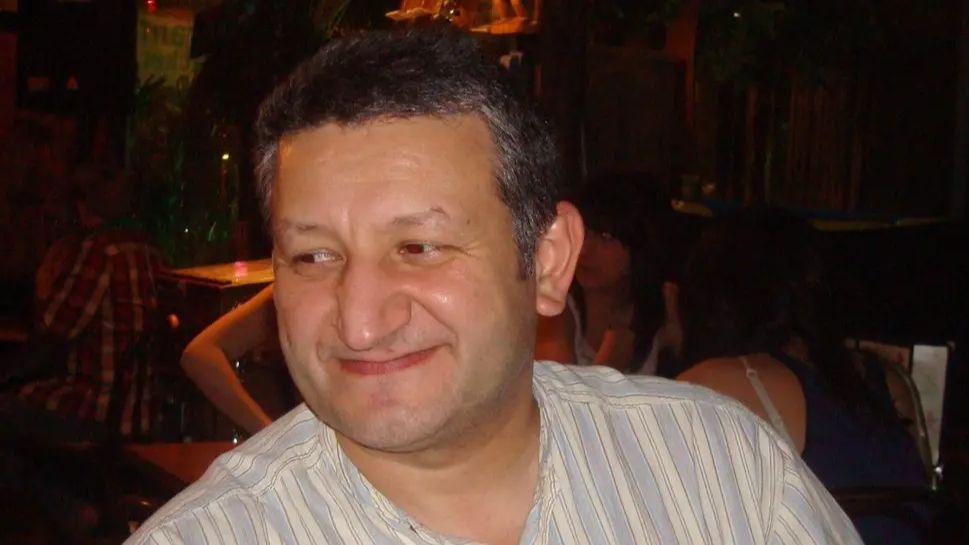
Nègre was first suspended in 2018 after an employee caught him photographing a woman under a table. He was later sacked in 2019, and now faces formal charges of drugging, invasion of privacy and sexual assault. Police have located a spreadsheet on his computer titled Experiments P that lists the women, the time of drug administration and their symptoms.
Chemical submission and the law
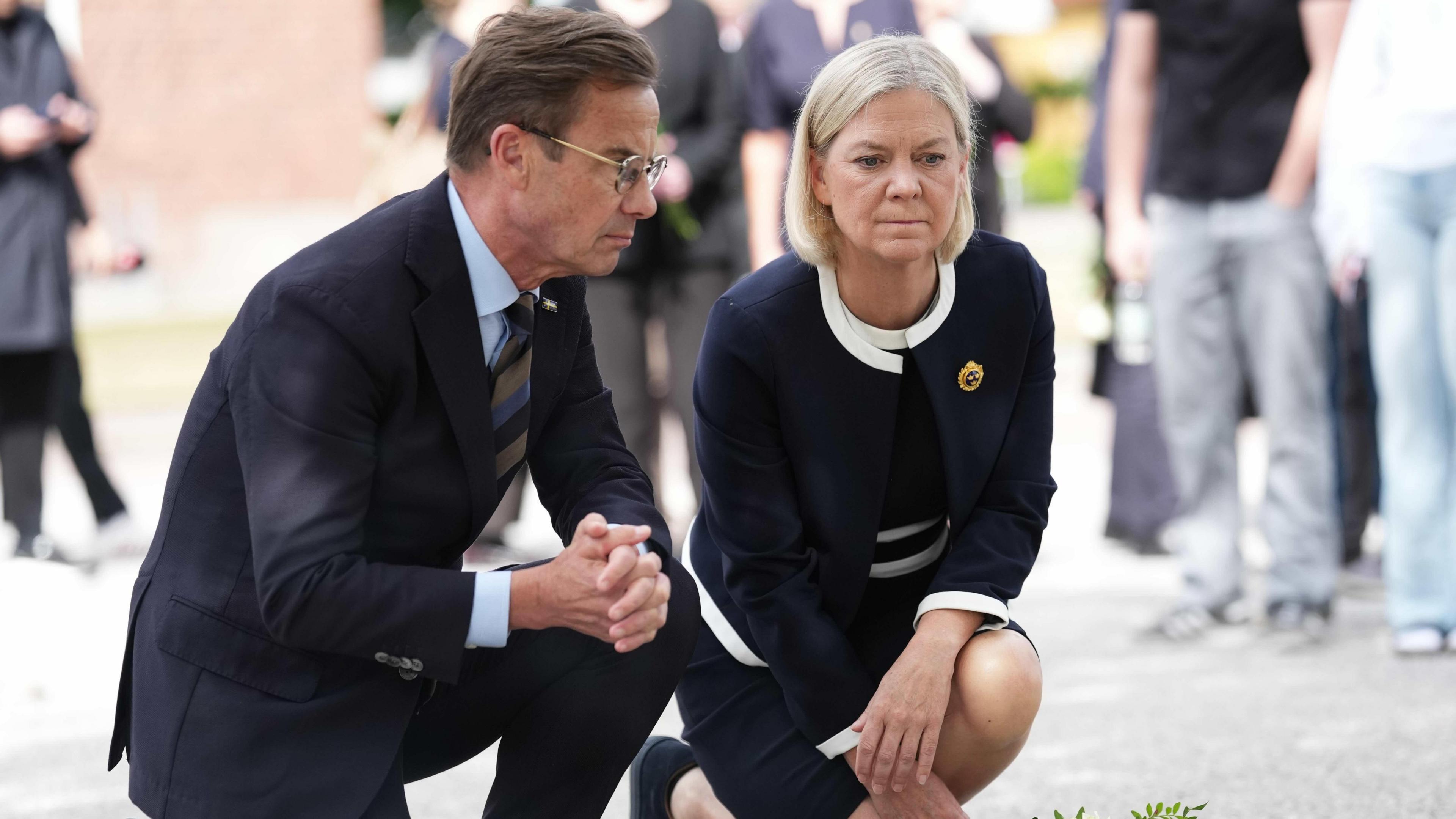
The term "chemical submission" describes an abuse tactic in which suspects give victims drugs that lower inhibitions and create a need to urinate, misusing the victim’s physiological response to control them. French MP Sandrine Josso has championed the issue, pressing the government to introduce a pilot program that allows suspected victims to give blood, urine or hair samples for analysis without a formal complaint.
Prof Jean‑Claude Alvarez, running the lab at the Raymond‑Poincaré hospital, notes that diuretics are rarely tested for, making detection difficult after the fact. Hair testing can trace substances over longer periods but is less precise about timing.
Impact on victims
Anaïs now says she was deeply angry that justice takes so long. “For four years, I was alone with the knowledge that I was a victim. I didn’t know what to do,” she says. Marie‑Hélène Brice, another alleged victim, describes the incident as a form of sexual assault, reporting pain, shame, and eventual “secondary victimisation” as she navigated the legal process.
UN Women’s Kalliopi Mingeirou has echoed concerns that delays in prosecuting drug‑facilitated assaults “destroy women’s lives.” The case has prompted calls for stronger policing and legal frameworks to protect those targeted by chemical submission.