In brief
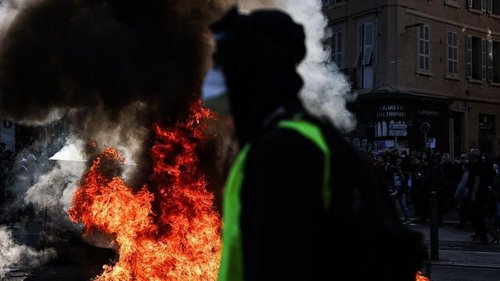
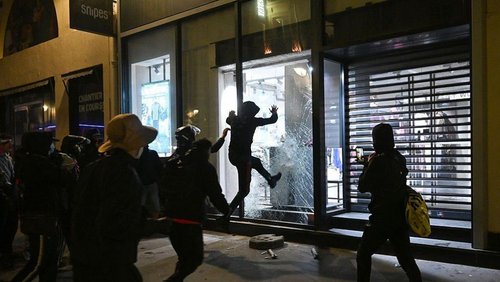
France’s political leadership is scrambling to contain a wave of violent protests that erupted over the weekend, with an estimated 1,500 shops looted and dozens of police officers injured. Interior Minister Laurent Nunez offered his resignation, but President Emmanuel Macron demanded a review of security measures instead. The unrest, sparked by demonstrations against rising living costs and declining public services, has triggered calls for an inquiry and raised fears of a potential curfew or state of emergency. As the country heads toward a presidential election in six months, the turmoil threatens to deepen the already-fractured political climate.
France's Prime Minister Sébastien Lecornu is holding a crisis cabinet meeting on Monday to assess a weekend of violence and looting across the country, in what were some of the worst scenes of public disorder in modern French history.
Interior Minister Laurent Nunez attempted to hand in his resignation, an event announced early Monday morning. President Macron, instead, instructed the minister to explore how to safeguard France’s streets and bring perpetrators to justice.
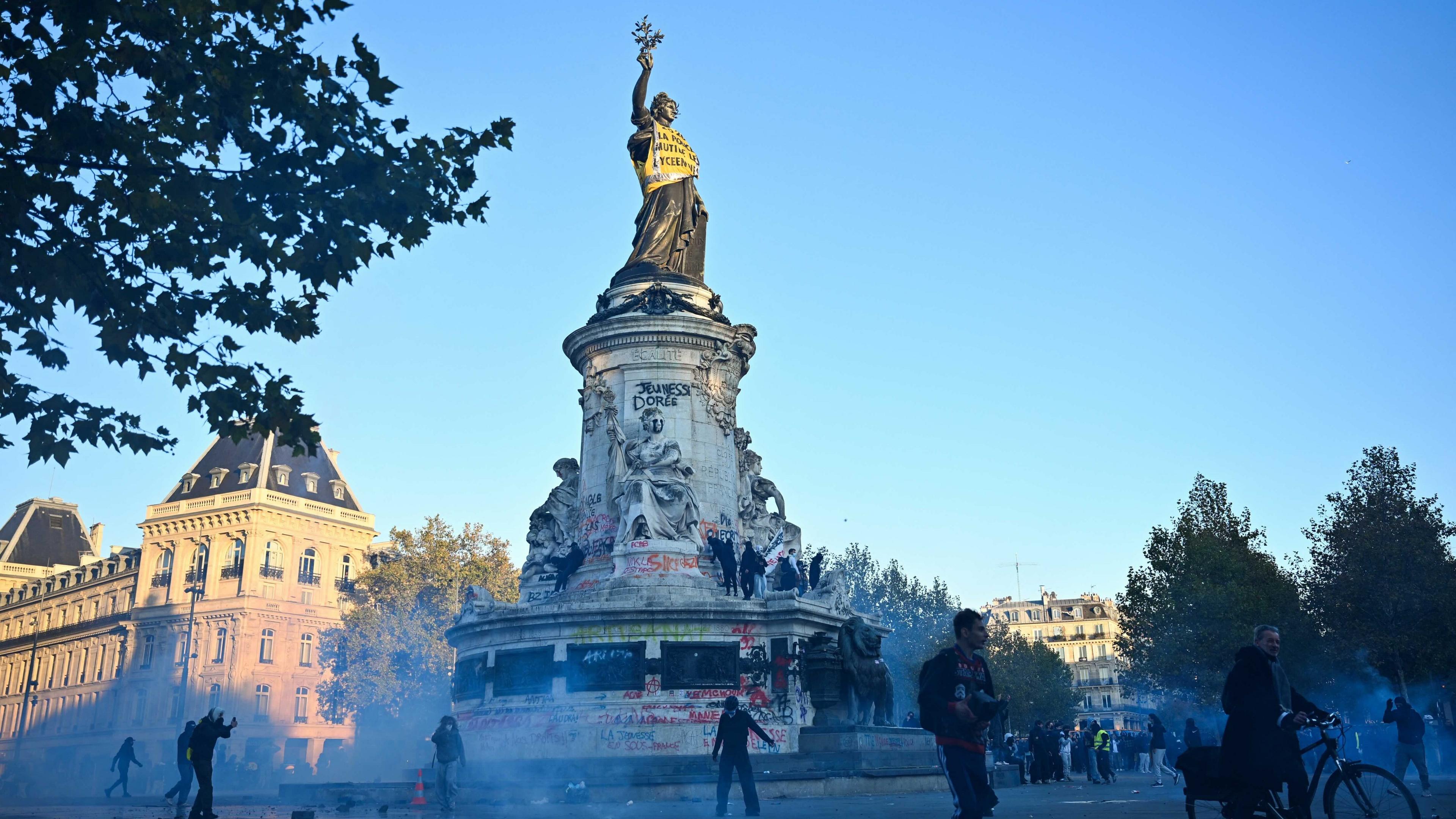
On Saturday, more than half a million largely peaceful protesters marched against rising living costs and perceived declines in public services, including education. The demonstrations escalated when groups of black‑clad, masked activists and vandals emerged.
An estimated 1,500 shops and businesses were looted and destroyed. Riot police fired tear gas and deployed water cannons against crowds, reportedly striking people with batons in several locations. The interior ministry reported that about 1,000 police officers were injured, seven of them seriously.
Nunez has faced criticism from political rivals, trade unions and social media for being ill‑prepared and under‑policed ahead of Saturday’s mass protests.
Presiding over France’s lower house, Yaël Braun‑Pivet has called for an inquiry into the exact circumstances of the unrest.
A graffiti message reading "Things are dark in the City of Light" appeared in red paint on a wall beside a row of shattered shops in Paris by Sunday night.
Rumours spread that President Macron might institute a temporary curfew or a state of emergency to calm the situation, but he chose a televised address on Sunday to appeal for national unity and assure the public that the violence would be punished.
The address drew sharp criticism from the French press for its lack of concrete measures.
Key questions remain: How will the vandals and rioters be held accountable? How can cities be better protected for upcoming demonstrations? How will damaged businesses be compensated? When will a dialogue commence with student and teacher bodies over education—issues that sparked the protests in the first place?
Current political tensions are compounded by a looming presidential election, with Marine Le Pen and Jean‑Luc Mélenchon vying for influence, while France’s economic woes and public debt remain pressing concerns.