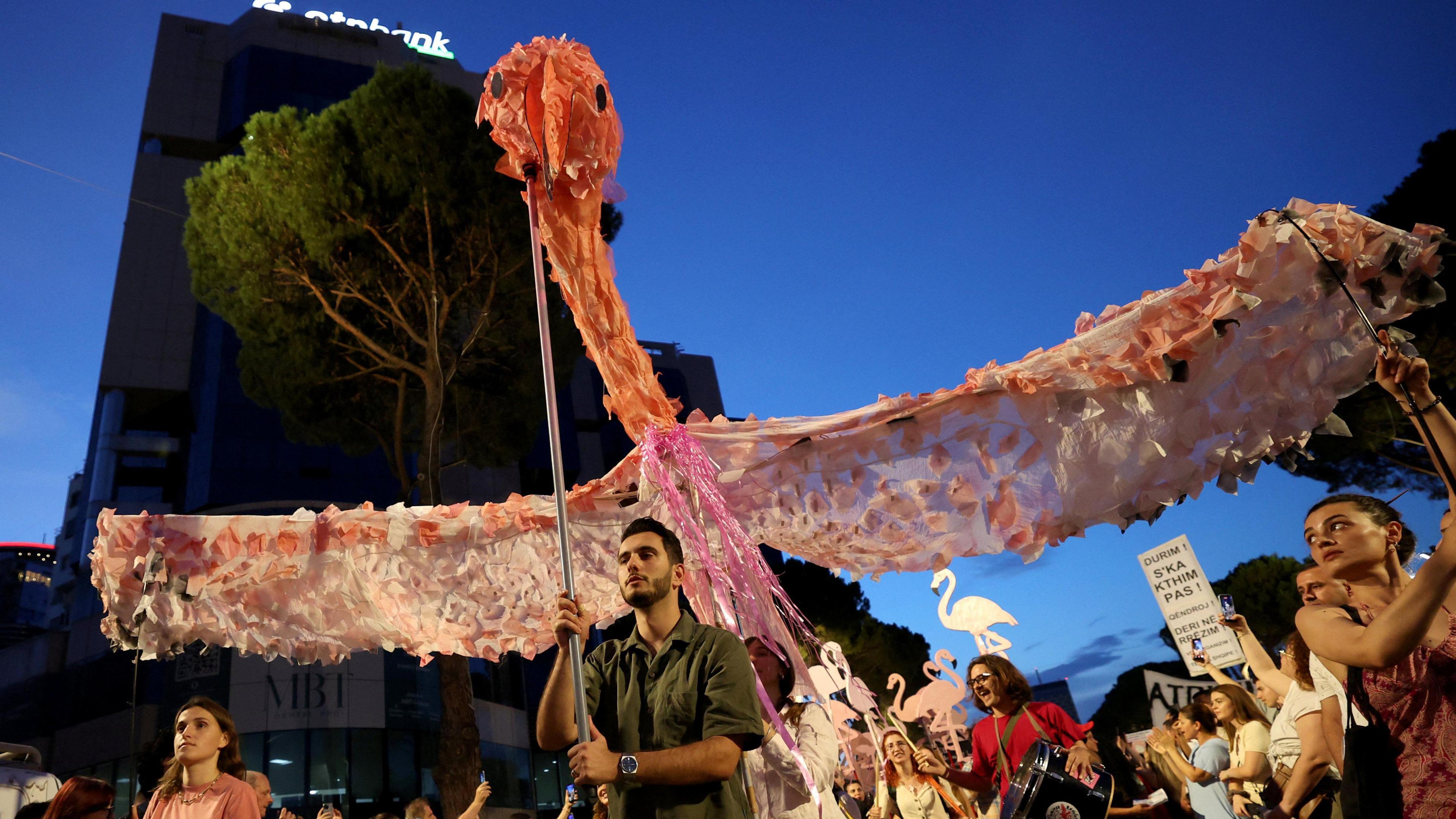
What began as a demonstration against a luxury resort near Vlora has morphed into a nationwide call for Prime Minister Edi Rama to step down over alleged corruption. Thousands of Albanians now march through Tirana’s streets chanting for better schools, jobs, and living standards, while demanding the resignation of the 13‑year‑old head of state.
The symbol of the protests is the pink flamingo, a bird that flocks to Narta Lagoon. The protestors have adopted the flamingo as a mascot, connecting the unrest to the environmental impact of the proposed resort and to wider grievances about the government’s priorities.
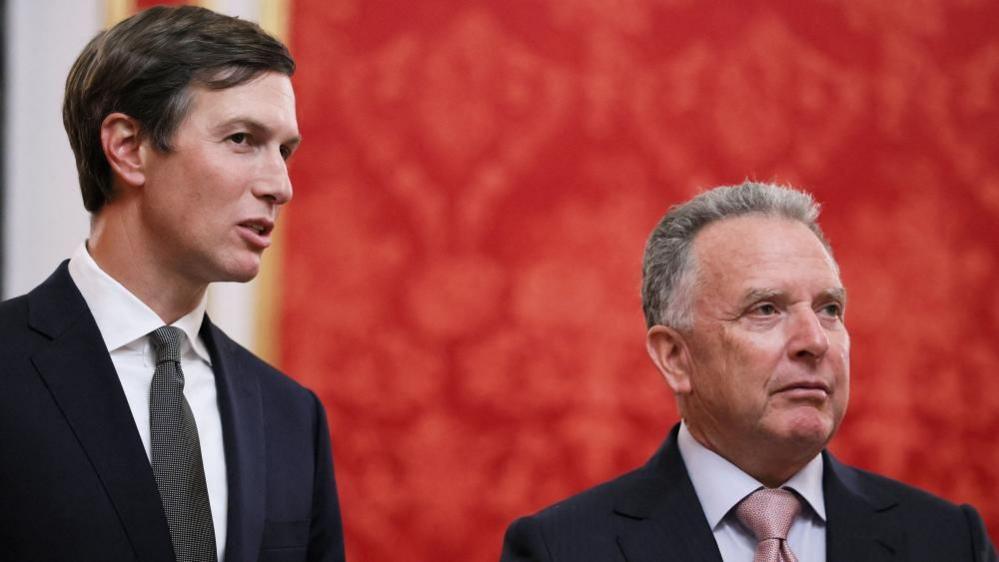
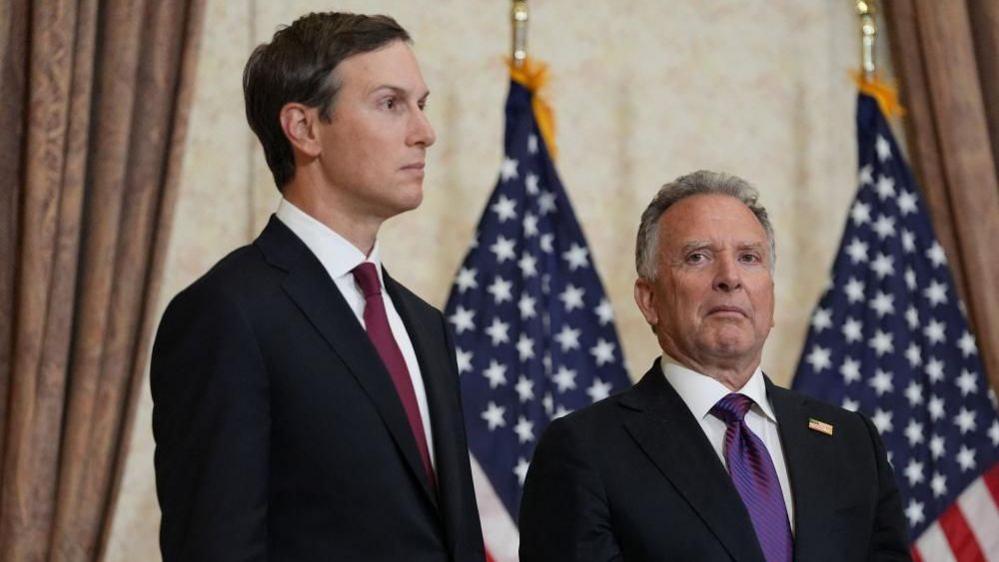
International investors, including Jared Kushner, a son‑in‑law of former President Donald Trump, are behind the luxury development. The Albanian government has given the group ‘special investor’ status, yet there is no formal planning permission and no environmental assessment has begun. On the ground, fences and bulldozers are already visible, raising concerns among environmentalists.
The protests gained traction after a viral video showed guards beating a demonstrator, an incident that the Prime Minister has confirmed. The incident brought local environmental disputes to a national stage and amplified calls for political change.
Among the protestors is Helena, a young citizen who speaks to the BBC, saying: “I’m here for our schools, our hospitals, our infrastructure, and for my people who live outside Albania. I want to stay in my country and not leave.” Her message exemplifies the everyday grievances fueling the movement.
Fatos Lubonja, a former forced‑labour camp inmate and human‑rights activist, accuses the current administration of being fueled by oligarchs, organised crime, and corrupt foreign interests—suggesting that the city’s rapid construction boom is part of a money‑laundering scheme.
Despite the pressure, little has changed in Tirana’s skyline. The capital’s new towers, designed by international architects, dominate the skyline while the tourism sector continues to grow, contributing more than a fifth of the country’s GDP. Meanwhile Albania stands poised to finish EU accession negotiations by 2027.
Prime Minister Rama claims the protests reflect a healthy democracy. He has referred to the tumult as “a sign of the country’s growing political maturity.” However, several of his allies, including a former deputy and the mayor of Tirana, are now under investigation by the country’s anti‑corruption prosecutors.
During a quiet moment in his office, Rama reiterated his commitment: “I want a justice that does not look left or right, but straight—one that cannot be bought or pressured.” Yet the public’s trust in him seems eroding as the protests continue.
Adding nuances to the narrative is Majana Koceku, a 25‑year‑old environmental activist. Hand‑picked by Rama to stand as a parliament candidate, she later left the Socialist Party, citing its failure to address real issues. She described the party as a façade that hides a crisis of legitimacy.
The protests are proving to be tenacious. While the government remains unmoved, the streets of Tirana remain littered with flamingos painted on signs and the chants of a populace demanding change.
As the movement grows, Albanian society faces a pivotal moment: whether it will accept the Prime Minister’s continued leadership or step toward a new era marked by greater transparency, justice, and social welfare.