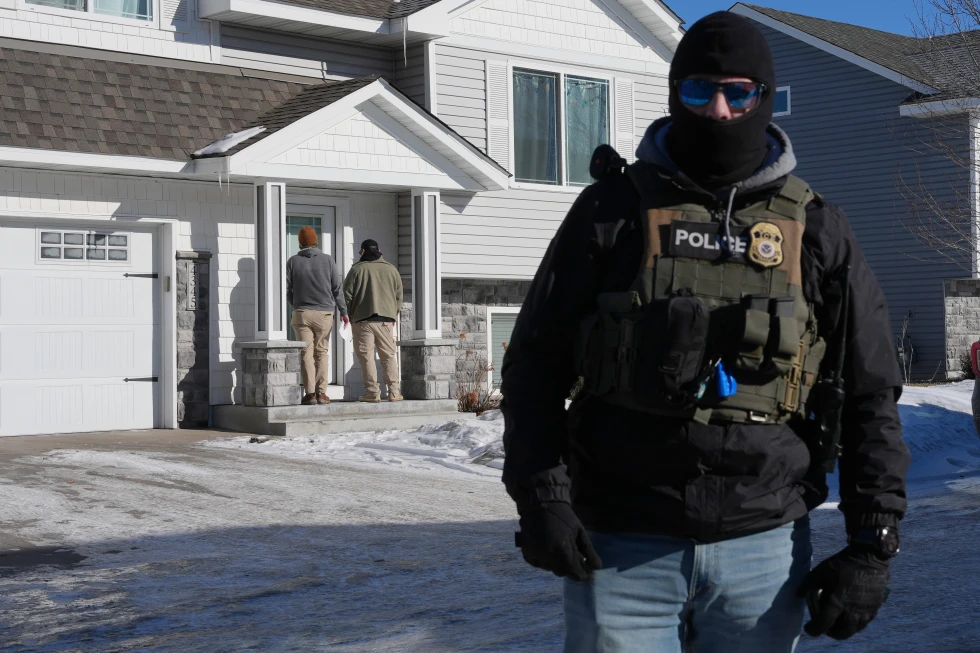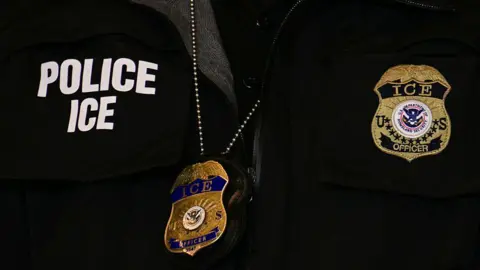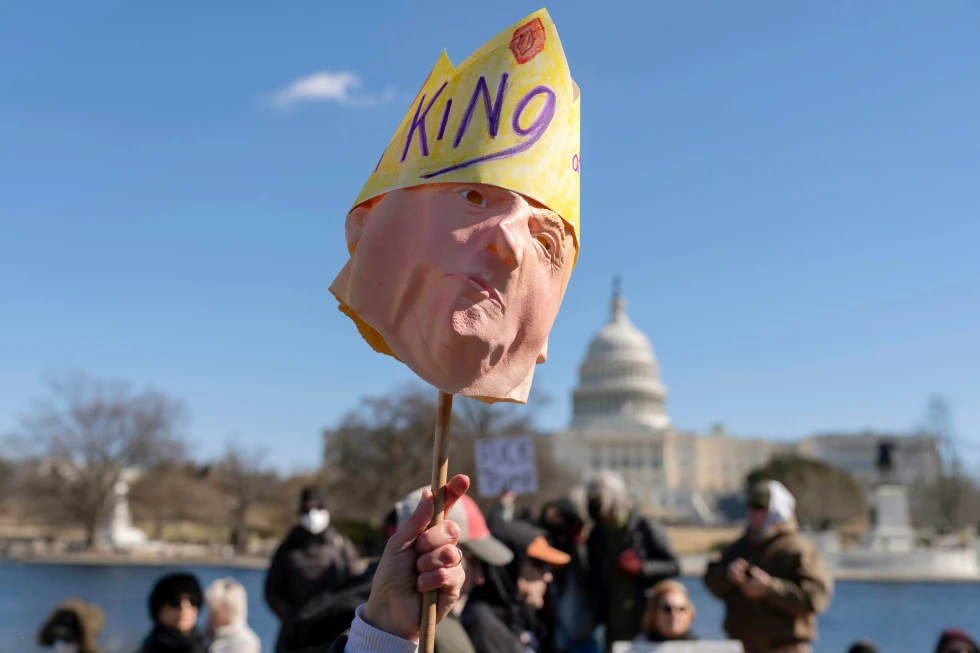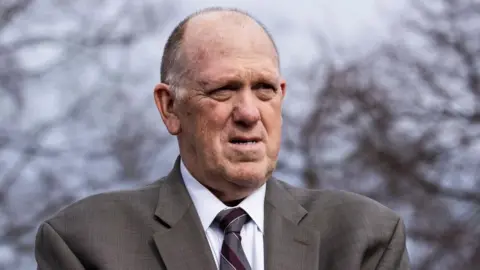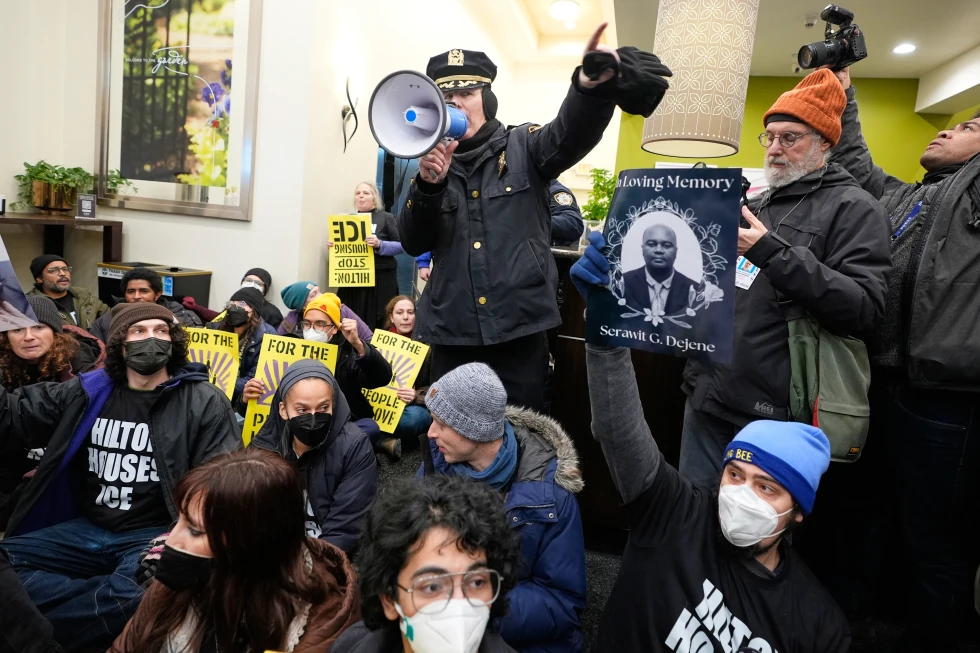
MINNEAPOLIS (RTWNews) — A federal court is scheduled to hear arguments on Monday regarding Minnesota's request to temporarily halt an aggressive immigration enforcement initiative that has been tied to the recent fatal shootings of two individuals by federal officers.
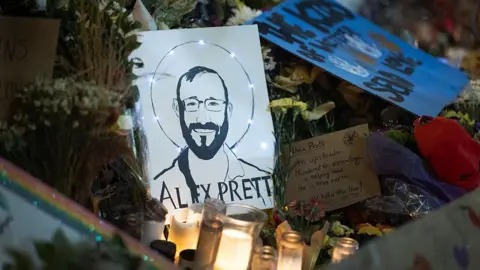
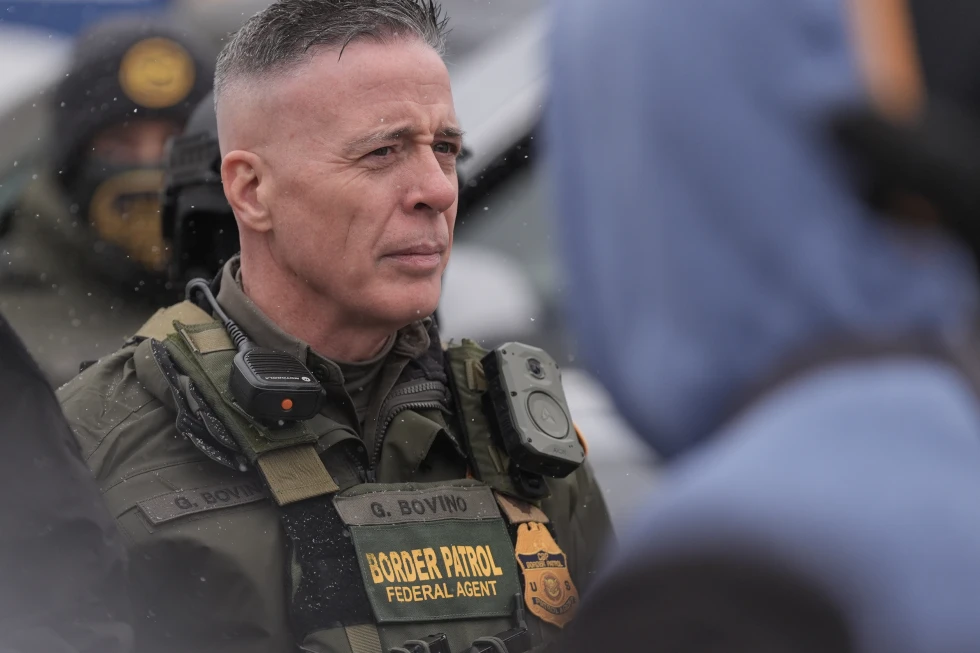
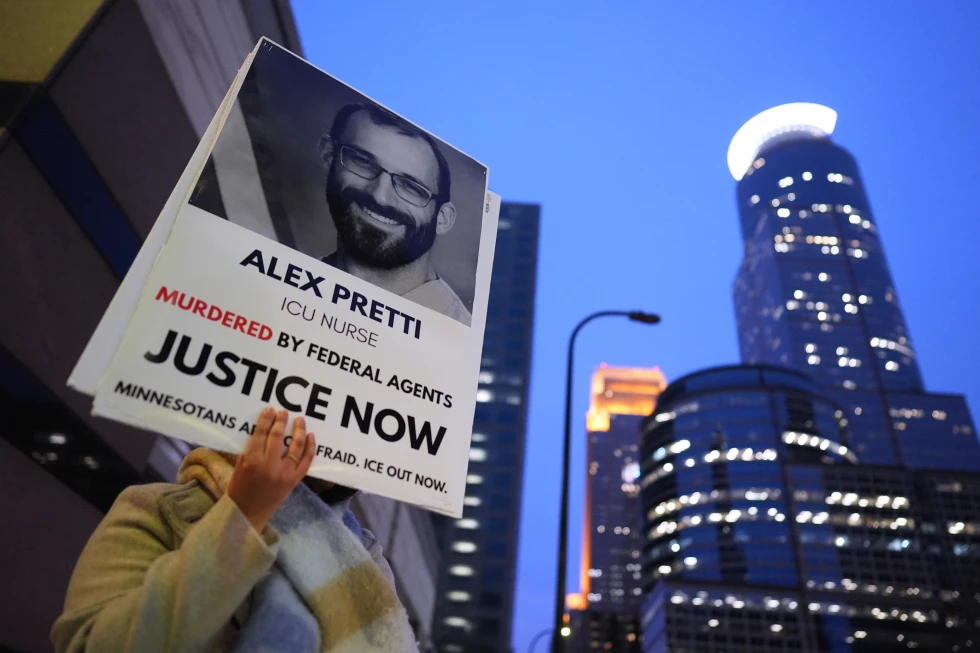
The lawsuit was filed by the state of Minnesota along with the cities of Minneapolis and St. Paul against the Department of Homeland Security shortly after Renee Good was shot by an Immigration and Customs Enforcement officer. Another tragic incident occurred on Saturday when Border Patrol officers shot Alex Pretti, intensifying the urgency of the case.
Since initiating the lawsuit, the state and cities have expanded their requests significantly, seeking reinstatement of the pre-December enforcement levels that existed prior to the roll-out of Operation Metro Surge under the Trump administration.
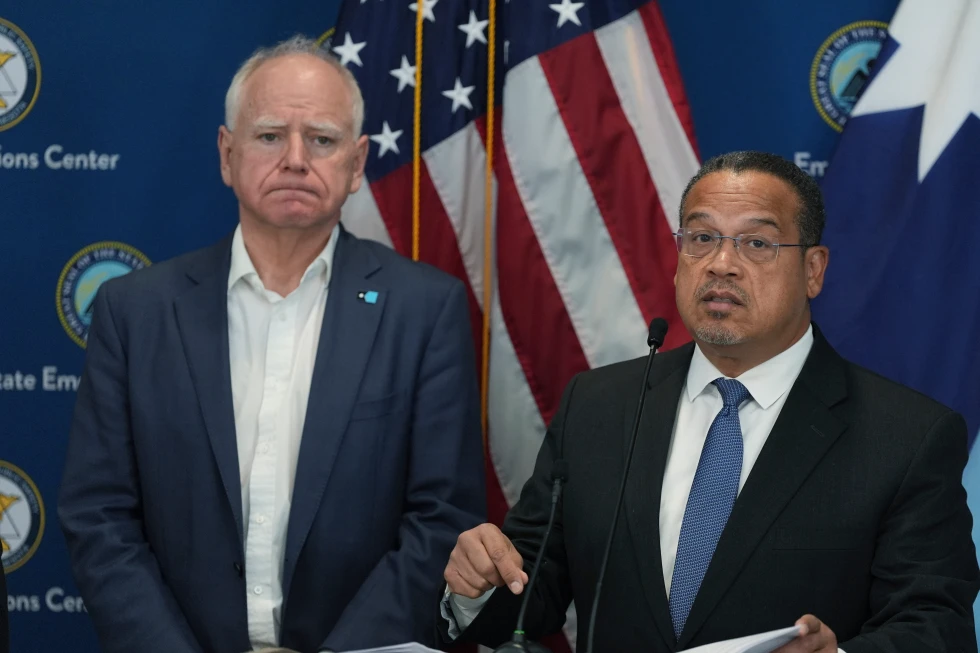
U.S. District Judge Kathleen Menendez will preside over the hearing in Minneapolis on Monday morning. Attorney General Keith Ellison of Minnesota plans to attend the proceedings personally.
The plaintiffs are pushing for a court order to reduce the number of federal agents and officers in Minnesota while still permitting immigration laws to be enforced, albeit under proposed limitations. In response, Justice Department lawyers have labeled the lawsuit as 'legally frivolous,' urging the judge to dismiss the request and allow federal law enforcement to continue unimpeded.
Ellison stated during a recent news conference that the filing stemmed from concerns over the unprecedented nature of the current enforcement strategy, describing it as a "novel abuse of the Constitution". He emphasized that such aggressive federal actions could set a troubling precedent.
The outcomes of this case may not only affect Minnesota but also serve as a benchmark for other states that face heightened federal immigration enforcement activities. Attorneys general from 19 states, alongside the District of Columbia, submitted a brief in support of Minnesota's lawsuit.
As the judicial proceedings unfold, the implications of the case resonate beyond state borders, highlighting the ongoing tensions between state and federal authorities over immigration policy enforcement.