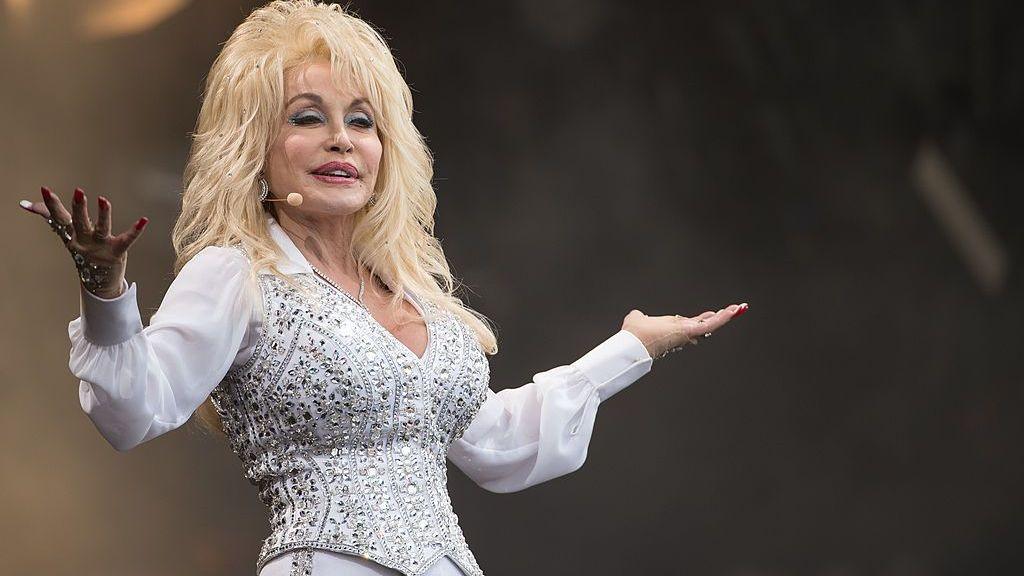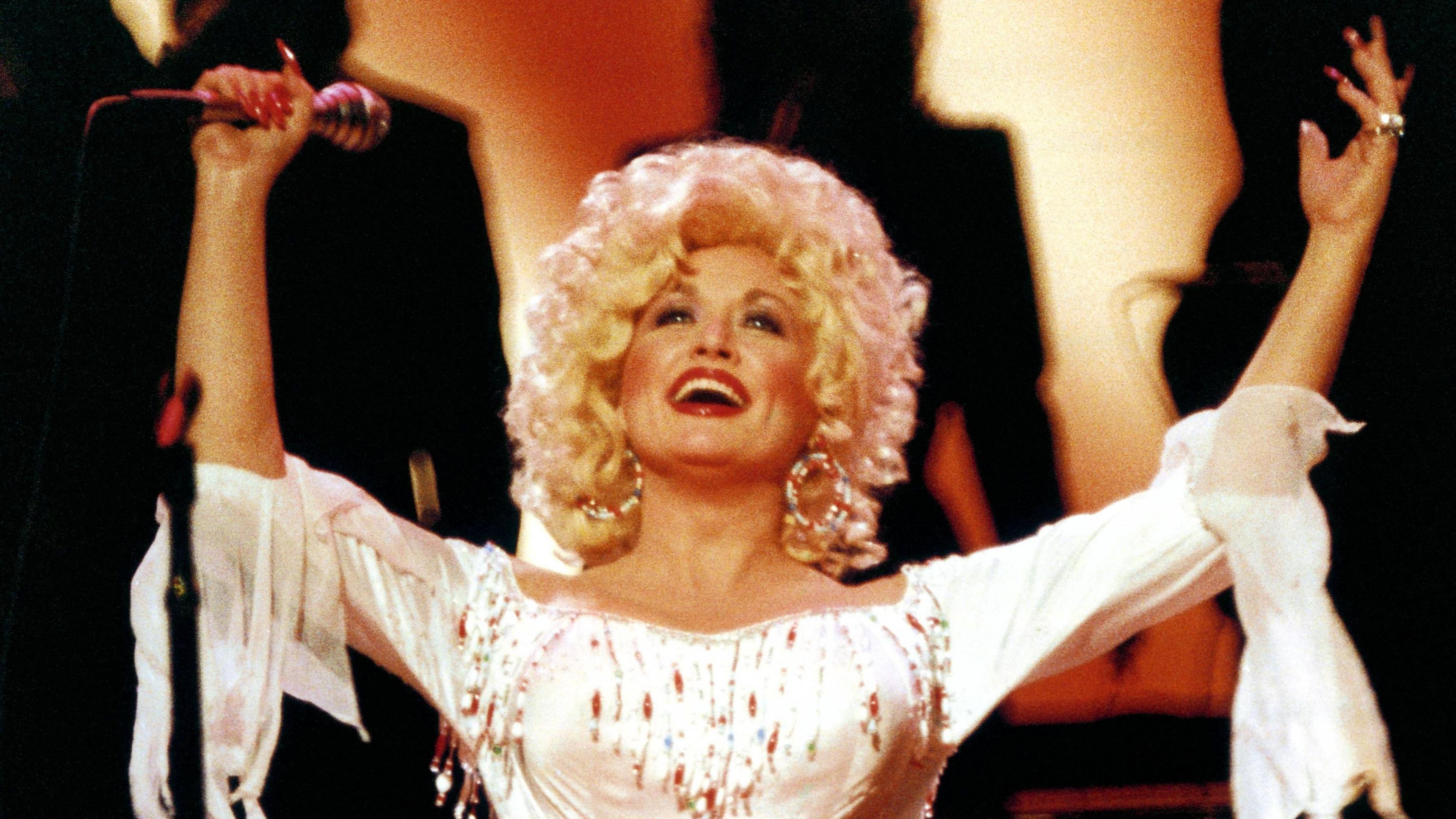
After the first scenes of her 1980 Hollywood debut, Dolly Parton penned the melody that would become the film’s signature tune, despite having her guitar banned from the set. A playful beat emerged from the strong click of her acrylic nails, mirroring the sound of typewriter keys used by her character in the storyline.
She chased the idea over to co‑stars Lily Tomlin and Jane Fonda, sparking a collective excitement that told the team a “song” could rise above a mere soundtrack; instead, it would serve as an anthem for workplace frustration and empowerment.
Released in November 1980, this track quickly reached the top of the charts—a first for Dolly Met the one‑time million‑making single. It also earned her the first Oscar nomination for a female country singer.
Its hook, “Working 9 To 5 / What a way to make a living!” sounds bright, but beneath the rhythm lies an inspiration that “it’s a rich man’s game, no matter what they call it … they just use your mind and they never give you credit.” The lyric channeled her own frustrations forged from 13 years of work in the music business.
In 1967, the breakthrough that would launch her career forever was a partnership with Porter Wagoner where she played as the “girl singer.” Together they produced 21 duet hits that ran through the early part of her career.
However, the partnership later produced a clash. Dolly wrote “I Will Always Love You” largely as an apology to Wagoner, who later sued her for breach of contract after the song’s soaring success; the suit eventually settled at $1 million.
When Elvis Presley requested to cover the same song, Dolly famously refused to give half of the publishing rights, a decision that preserved her ownership of the track. Eventually her steadfastness paid off: Whitney Houston’s 1992 version for The Bodyguard generated more income than fans could imagine—and she used the proceeds to fund educational programs in Nashville instead of buying any house.
Beyond her songwriting prowess, Dolly grew into a philanthropist using her platform, investing $200 million in books turned into a free library for the well‑being of Tennessee children, scholarships and other aids to the community.
Today Dolly remains a benchmark for creative integrity amongst modern artists. Taylor Swift, after losing masters to hedge funds, kept key songs in hand and still asks Dolly for advice—Dolly calling it “smart.” This exchange demonstrates the enduring protection of Dolly’s voice in the current music business.
The legacy is story‑rich: a woman using an unbanned guitar, a run of hip‑hop music, the business of song ownership and activism for a new generation. She—by definition—remains the dearest—both original and commanding—artist of her time, and her enduring chart record will carry forward for countless future. />